
Why Change Feels So Scary (Even When We Know It's Good for Us)

Almost everyone says they want something new. A better career. Better habits. Better relationships. A happier life. But the moment change actually knocks on the door, excitement often turns into fear. Over time the known begins to feel safer than the unknown. Over time the known begins to feel safer than the unknown. We're afraid to leave even though we're not happy where we are, because at least we know what to expect. We're afraid to leave even though we're not happy where we are, because at least we know what to expect.It's strange, but our minds often choose predictable discomfort over an uncertain possibility. That is why change feels so much harder than it looks from the outside.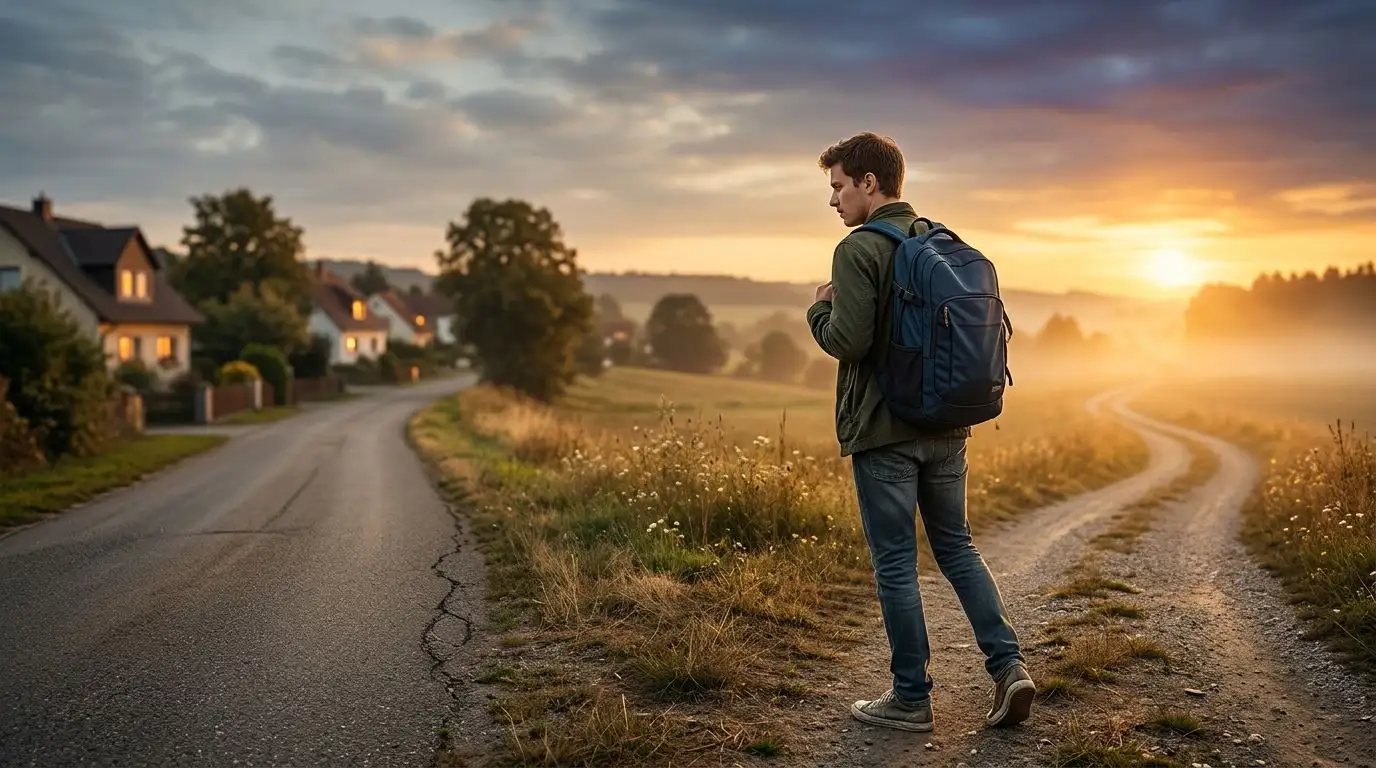
The human brain is built to keep us safe. It naturally prefers routines because routines feel predictable. When every day feels like a pattern, our brain spends less energy figuring things out. The moment something changes, that comfort we had before disappears.
A new workplace means learning new names. A new city means unfamiliar roads. A new relationship means opening yourself up again. Even positive changes come with questions that don't have immediate answers. Our brain doesn't always see change as an opportunity first. It sees it as unpredictability. And then it often feels like danger, even when it isn't.
Sometimes change asks us to leave behind something we have been doing for years or have known for years. It could be old friends, familiar places, daily routines, or even a version of ourselves that we've become comfortable with. Even when those things no longer make us happy, saying goodbye isn't easy.
There is a quiet sadness that comes with letting go. We don't just fear what might happen next; we also grieve what we're leaving behind. That's why change can feel emotional, even when it's the right decision. The Fear of Making the Wrong Choice
One of the biggest reasons people avoid change is the fear of regret. "What if this doesn't work?" "What if I make a mistake?" "What if my life becomes worse?" These questions can become so loud that they stop us from moving at all.
But the truth is, no one gets guarantees before making a decision. Most people figure things out after they take the first step, not before. Waiting until everything feels certain usually means waiting forever. Comfort Zones Feel Safe, But They Can Also Hold Us Back Comfort zones aren't always comfortable.
You might stay in a job that no longer inspires you. You might continue habits that make you unhappy. You might keep delaying dreams because staying where you are feels comfortable and the other side feels risky. The longer we stay in one place, the harder it becomes to imagine life outside it. Growth rarely happens where nothing changes. It begins when we choose to take one small step into something unfamiliar.
Small Changes Build Big Confidence
People often think they need to make huge life changes overnight. But in reality, confidence comes through small experiences. Trying a new hobby. Speaking up in a meeting. Applying for one opportunity. Having one difficult conversation. Every small step teaches your mind something important: I survived this.
Over time, fear doesn't completely disappear, but it becomes quieter. Change Is Uncomfortable Because It's the Beginning, Not the End
The first day at school felt strange once. Your first job probably felt overwhelming. The first time you met someone important in your life, they were a stranger. Many things that now feel normal once felt completely unfamiliar.
That's the hidden truth about change: it only feels scary while you're standing at the starting line. One day, the life you're nervous about today could become the life you can't imagine living without.
The real courage lies in moving anyway
We are not weak because we are afraid to change. And it’s scary because we’re human. Our minds are naturally attracted to what’s familiar, even if it no longer helps us grow. The goal isn't to stop feeling afraid. Fear will always show up whenever life asks us to move forward.
Real courage is to go ahead anyway. Because some of the best moments in life don't begin with certainty. They begin with a deep breath, a shaky first step, and the decision to trust that you'll find your way as you go.
Our Brain Likes What It Already Knows
The human brain is built to keep us safe. It naturally prefers routines because routines feel predictable. When every day feels like a pattern, our brain spends less energy figuring things out. The moment something changes, that comfort we had before disappears.
A new workplace means learning new names. A new city means unfamiliar roads. A new relationship means opening yourself up again. Even positive changes come with questions that don't have immediate answers. Our brain doesn't always see change as an opportunity first. It sees it as unpredictability. And then it often feels like danger, even when it isn't.
We Are Afraid of Losing More Than We Are Excited to Gain
Sometimes change asks us to leave behind something we have been doing for years or have known for years. It could be old friends, familiar places, daily routines, or even a version of ourselves that we've become comfortable with. Even when those things no longer make us happy, saying goodbye isn't easy.
There is a quiet sadness that comes with letting go. We don't just fear what might happen next; we also grieve what we're leaving behind. That's why change can feel emotional, even when it's the right decision. The Fear of Making the Wrong Choice
You may also like
- Psychology says parents who play pretend with their children aren't simply entertaining them; they're strengthening imagination and social understanding
- 5 Foods that were once a part of the Royal tables
- Psychology says parents who apologise after getting it wrong aren't giving up authority; they're actually repairing trust without weakening respect
- Psychology says parents who stop solving every problem for their children aren't becoming less supportive; they're actually making room for confidence that cannot grow through rescue
- EPF Interest Credit: PF account holders are in luck! 8.25% interest is now credited to their accounts..
One of the biggest reasons people avoid change is the fear of regret. "What if this doesn't work?" "What if I make a mistake?" "What if my life becomes worse?" These questions can become so loud that they stop us from moving at all.
But the truth is, no one gets guarantees before making a decision. Most people figure things out after they take the first step, not before. Waiting until everything feels certain usually means waiting forever. Comfort Zones Feel Safe, But They Can Also Hold Us Back Comfort zones aren't always comfortable.
Sometimes they are simply familiar
You might stay in a job that no longer inspires you. You might continue habits that make you unhappy. You might keep delaying dreams because staying where you are feels comfortable and the other side feels risky. The longer we stay in one place, the harder it becomes to imagine life outside it. Growth rarely happens where nothing changes. It begins when we choose to take one small step into something unfamiliar.
Small Changes Build Big Confidence
People often think they need to make huge life changes overnight. But in reality, confidence comes through small experiences. Trying a new hobby. Speaking up in a meeting. Applying for one opportunity. Having one difficult conversation. Every small step teaches your mind something important: I survived this.
Over time, fear doesn't completely disappear, but it becomes quieter. Change Is Uncomfortable Because It's the Beginning, Not the End
Every chapter of life starts with uncertainty
The first day at school felt strange once. Your first job probably felt overwhelming. The first time you met someone important in your life, they were a stranger. Many things that now feel normal once felt completely unfamiliar.
That's the hidden truth about change: it only feels scary while you're standing at the starting line. One day, the life you're nervous about today could become the life you can't imagine living without.
The real courage lies in moving anyway
We are not weak because we are afraid to change. And it’s scary because we’re human. Our minds are naturally attracted to what’s familiar, even if it no longer helps us grow. The goal isn't to stop feeling afraid. Fear will always show up whenever life asks us to move forward.
Real courage is to go ahead anyway. Because some of the best moments in life don't begin with certainty. They begin with a deep breath, a shaky first step, and the decision to trust that you'll find your way as you go.






Loving Newspoint? Download the app now
