
Why Do Mosquitoes Bite Some People More Than Others? Science Explains the Real Reasons

Why do mosquitoes bite some people more than others? If you've ever noticed that you're constantly shooing away mosquitoes while the people around you remain untouched, it's probably not just your imagination. Scientific research shows that mosquitoes don't choose their targets randomly. Instead, they are guided by several biological signals, including the air you exhale, your body temperature, skin chemistry, and even your genetic makeup.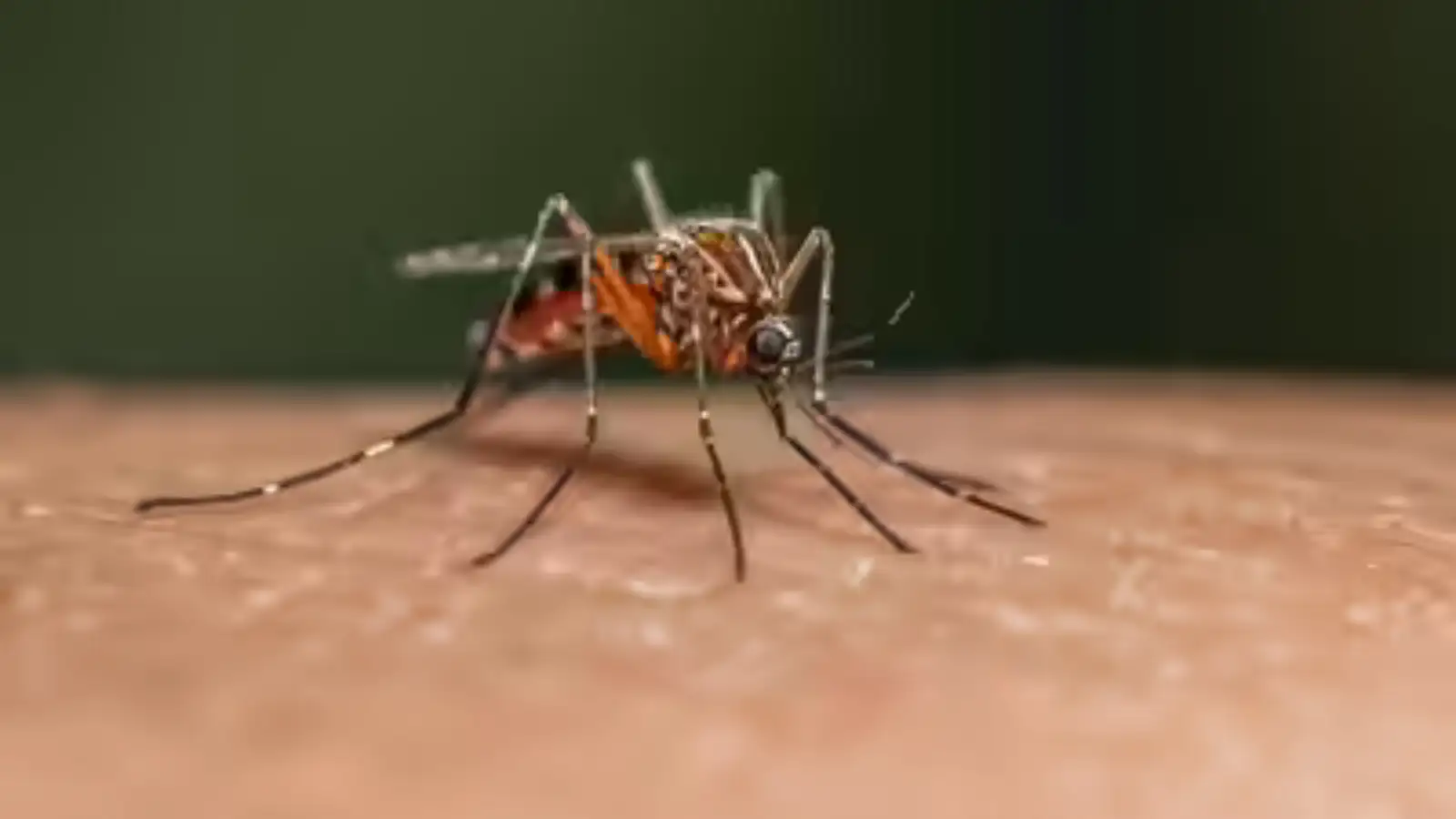
Although no one is completely invisible to mosquitoes, certain natural characteristics can make some people far more attractive to these insects. Here's a closer look at the science behind why mosquitoes seem to favour some individuals over others.
Carbon Dioxide Helps Mosquitoes Track Their Targets
Female mosquitoes are the only ones that bite because they require the protein found in blood to develop their eggs. To locate a host, they rely heavily on carbon dioxide (CO₂), one of the strongest signals humans naturally produce.
Every breath you exhale releases carbon dioxide into the surrounding air. People who breathe out larger amounts of CO₂ are easier for mosquitoes to detect. Adults generally emit more carbon dioxide than children, which is one reason they are often bitten more frequently. This is also why many mosquito traps use carbon dioxide as bait to attract insects.
Body Heat and Sweat Can Make You More Attractive
Mosquitoes don't rely on smell alone. They are also highly sensitive to body heat and moisture, making warm, sweaty individuals easier to locate.
For example, pregnant women often experience more mosquito bites because pregnancy increases both body temperature and breathing rate, leading to greater carbon dioxide production. Likewise, after exercise, your body becomes warmer, you sweat more, and your breathing becomes heavier—all of which can temporarily increase your appeal to mosquitoes.
People with larger body sizes may also receive more bites because they typically generate more body heat and exhale higher amounts of carbon dioxide.
Your Unique Body Odour Plays a Major Role
Once mosquitoes get close enough, your natural body scent becomes one of the biggest factors influencing whether you'll be bitten.
Human skin continuously releases hundreds of volatile organic compounds (VOCs). These compounds are produced when naturally occurring skin bacteria break down substances like fatty acids, proteins, and carbohydrates. Together, they create a unique scent profile that's different for every person.
Research has found that individuals with higher levels of certain compounds, particularly carboxylic acids, can be dramatically more attractive to mosquitoes. In some studies, the most attractive participants drew mosquitoes up to 100 times more than those who were least attractive.
The Bacteria Living on Your Skin Can Affect Mosquito Attraction
Your skin is home to billions of beneficial microorganisms, collectively known as the skin microbiome. These bacteria influence the smell your skin produces, which in turn affects how attractive you are to mosquitoes.
Scientists have discovered that people who frequently get bitten often have different bacterial communities on their skin compared to those who attract fewer mosquitoes. Since these microbes help create your body's natural scent, even small differences in your skin microbiome may determine how appealing you are to mosquitoes.
Your Genes Could Be Responsible
Genetics may also explain why mosquitoes seem to target certain people consistently.
Studies involving twins have shown that identical twins tend to attract mosquitoes at similar rates, while non-identical twins often experience noticeable differences. This suggests that inherited traits linked to body odour and skin chemistry play an important role in mosquito attraction.
Researchers also believe these biological traits remain relatively stable throughout life, meaning your natural attractiveness to mosquitoes may not change much over time.
Why Mosquito Bites Feel Worse for Some People
Getting bitten is only part of the story. The way your body reacts to mosquito saliva varies from person to person.
Some individuals develop large, swollen, itchy bumps because their immune systems produce a stronger response to the proteins in mosquito saliva. Others experience only mild irritation or barely notice they've been bitten. As a result, people with stronger reactions often feel like they're being bitten more often, even when the number of bites is similar.
How to Reduce Your Chances of Getting Mosquito Bites
While you can't completely change the biological traits that attract mosquitoes, you can lower your risk of being bitten by taking simple precautions:
Mosquitoes don't bite people at random. Their choices are influenced by a combination of carbon dioxide, body heat, skin bacteria, body odour, and even genetics. While some people naturally attract more mosquitoes than others, everyone remains vulnerable to bites. Understanding why mosquitoes prefer certain individuals can help you take better preventive measures and reduce your risk of mosquito-borne illnesses.
Although no one is completely invisible to mosquitoes, certain natural characteristics can make some people far more attractive to these insects. Here's a closer look at the science behind why mosquitoes seem to favour some individuals over others.
Carbon Dioxide Helps Mosquitoes Track Their Targets
Female mosquitoes are the only ones that bite because they require the protein found in blood to develop their eggs. To locate a host, they rely heavily on carbon dioxide (CO₂), one of the strongest signals humans naturally produce.
Every breath you exhale releases carbon dioxide into the surrounding air. People who breathe out larger amounts of CO₂ are easier for mosquitoes to detect. Adults generally emit more carbon dioxide than children, which is one reason they are often bitten more frequently. This is also why many mosquito traps use carbon dioxide as bait to attract insects.
Body Heat and Sweat Can Make You More Attractive
Mosquitoes don't rely on smell alone. They are also highly sensitive to body heat and moisture, making warm, sweaty individuals easier to locate.
For example, pregnant women often experience more mosquito bites because pregnancy increases both body temperature and breathing rate, leading to greater carbon dioxide production. Likewise, after exercise, your body becomes warmer, you sweat more, and your breathing becomes heavier—all of which can temporarily increase your appeal to mosquitoes.
People with larger body sizes may also receive more bites because they typically generate more body heat and exhale higher amounts of carbon dioxide.
Your Unique Body Odour Plays a Major Role
Once mosquitoes get close enough, your natural body scent becomes one of the biggest factors influencing whether you'll be bitten.
Human skin continuously releases hundreds of volatile organic compounds (VOCs). These compounds are produced when naturally occurring skin bacteria break down substances like fatty acids, proteins, and carbohydrates. Together, they create a unique scent profile that's different for every person.
You may also like
- Kailash Mansarovar Yatra 2026: Why is this year's yatra so special, and what is the 'Fire Horse Year' that makes it so rare?
- Mom shares the toys her toddler never gets bored of: Parents, take notes as they also support healthy development
- Lakhs of rupees accidentally credited to your account? Know what the rules say before you celebrate..
- Meet Parag Agarwal: Ex-Twitter CEO and IIT Bombay alumnus who was removed by Elon Musk but came back with his own AI startup valued at $2 billion
- Messi and Yamal: A Generational Clash in the 2026 FIFA World Cup
Research has found that individuals with higher levels of certain compounds, particularly carboxylic acids, can be dramatically more attractive to mosquitoes. In some studies, the most attractive participants drew mosquitoes up to 100 times more than those who were least attractive.
The Bacteria Living on Your Skin Can Affect Mosquito Attraction
Your skin is home to billions of beneficial microorganisms, collectively known as the skin microbiome. These bacteria influence the smell your skin produces, which in turn affects how attractive you are to mosquitoes.
Scientists have discovered that people who frequently get bitten often have different bacterial communities on their skin compared to those who attract fewer mosquitoes. Since these microbes help create your body's natural scent, even small differences in your skin microbiome may determine how appealing you are to mosquitoes.
Your Genes Could Be Responsible
Genetics may also explain why mosquitoes seem to target certain people consistently.
Studies involving twins have shown that identical twins tend to attract mosquitoes at similar rates, while non-identical twins often experience noticeable differences. This suggests that inherited traits linked to body odour and skin chemistry play an important role in mosquito attraction.
Researchers also believe these biological traits remain relatively stable throughout life, meaning your natural attractiveness to mosquitoes may not change much over time.
Why Mosquito Bites Feel Worse for Some People
Getting bitten is only part of the story. The way your body reacts to mosquito saliva varies from person to person.
Some individuals develop large, swollen, itchy bumps because their immune systems produce a stronger response to the proteins in mosquito saliva. Others experience only mild irritation or barely notice they've been bitten. As a result, people with stronger reactions often feel like they're being bitten more often, even when the number of bites is similar.
How to Reduce Your Chances of Getting Mosquito Bites
While you can't completely change the biological traits that attract mosquitoes, you can lower your risk of being bitten by taking simple precautions:
- Apply an effective insect repellent when outdoors.
- Wear full-sleeved clothing and long trousers, especially during dawn and dusk.
- Avoid standing water where mosquitoes breed.
- Use mosquito nets or window screens to prevent insects from entering your home.
- Stay extra cautious after outdoor workouts or activities that increase sweating.
Mosquitoes don't bite people at random. Their choices are influenced by a combination of carbon dioxide, body heat, skin bacteria, body odour, and even genetics. While some people naturally attract more mosquitoes than others, everyone remains vulnerable to bites. Understanding why mosquitoes prefer certain individuals can help you take better preventive measures and reduce your risk of mosquito-borne illnesses.






Loving Newspoint? Download the app now
