
Why Do Some Indian Rivers Vanish and Reappear During Monsoon? The Fascinating Science Explained

Why do some Indian rivers vanish during summer and flow again when the monsoon arrives? While mighty rivers like the Ganga and Beas carry water throughout the year, several rivers across India disappear for months before returning with the rains. These are known as seasonal or ephemeral rivers , and their unique behaviour is influenced by rainfall, underground water levels, and the geology beneath the land. From Rajasthan's Luni River to Karnataka's Vedavathi, these rivers follow a fascinating natural cycle that has shaped local landscapes, agriculture, and livelihoods for centuries.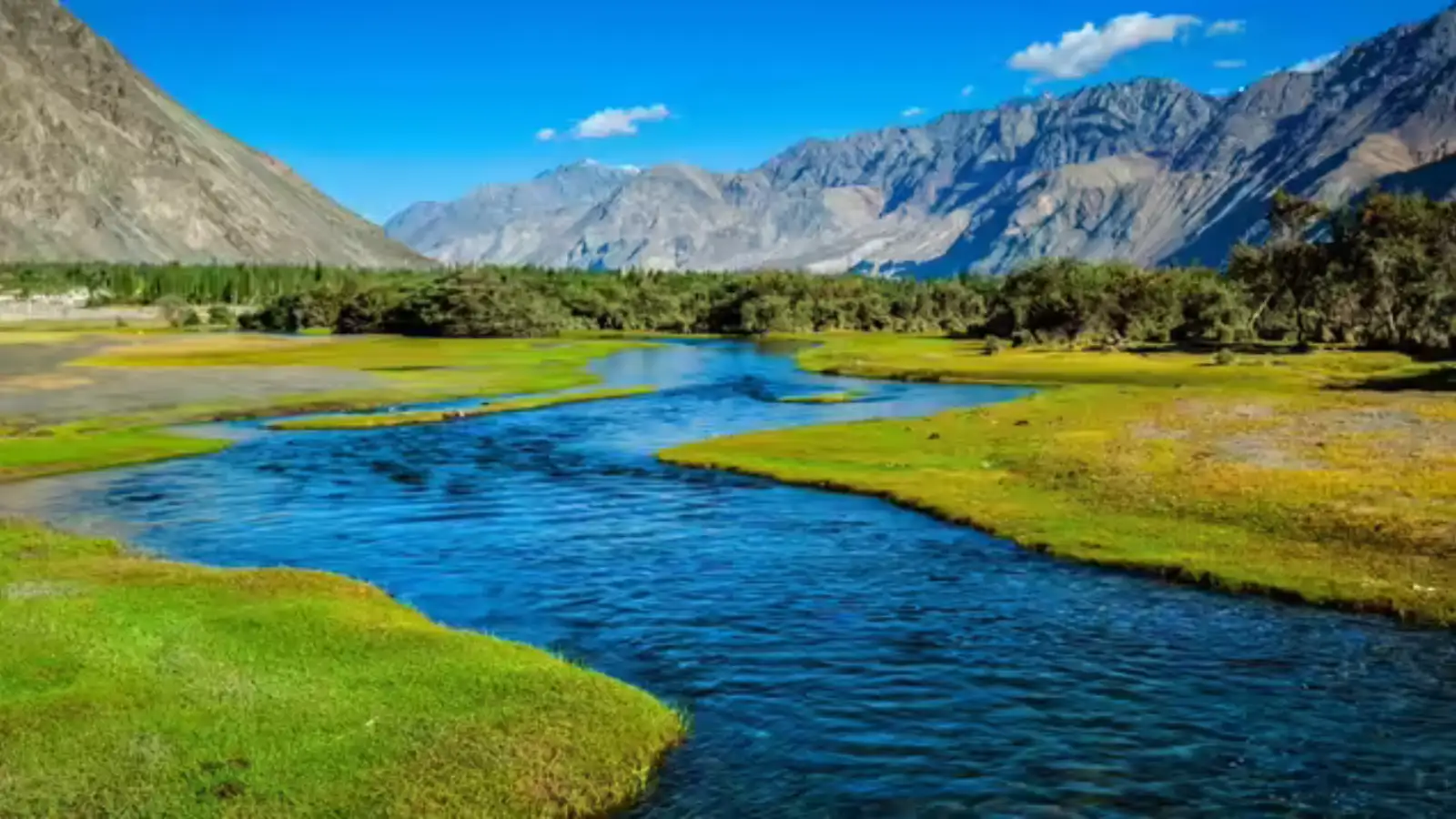
What Are Seasonal Rivers?
Not every river in India flows continuously. While perennial rivers receive a steady supply of water from glaciers, groundwater, or both, seasonal rivers depend almost entirely on rainfall.
As a result, these rivers remain dry or carry very little water for much of the year. Once the southwest monsoon arrives, they quickly fill up, transforming dry riverbeds into flowing streams.
Several rivers across peninsular India display this pattern because they lack year-round water sources.
Indian Rivers That Come Alive Only During Monsoon
Many parts of India are home to rivers that remain dry for several months before flowing again with seasonal rains. Some well-known examples include:
Luni River in western Rajasthan, which originates in the Aravalli Hills and flows mainly during the monsoon.
Vedavathi River in Karnataka, where water levels rise significantly only after rainfall.
Tributaries of the Banas River, Rajasthan's largest tributary of the Chambal, which swell during the rainy season.
The Palar River in Tamil Nadu and sections of the Pennar basin, which often experience low or dry flows outside the monsoon months.
Why Do These Rivers Dry Up for Months?
The biggest reason lies beneath the surface.
For a river to flow throughout the year, its channel must connect with the groundwater table—the underground layer that stores water. In perennial rivers, groundwater continues feeding the river even when there is little or no rainfall.
Seasonal rivers work differently. Their groundwater table lies much deeper below the surface. Once the rains stop, surface runoff disappears, and there is no continuous underground supply to keep water flowing. As a result, the riverbed gradually dries until the next monsoon replenishes it.
How Rock Formations Shape River Flow
The geology of southern and central India also plays a crucial role in determining how these rivers behave.
Much of the Deccan Plateau is covered by hard basalt and granite rocks. These rock formations do not allow rainwater to seep deep underground quickly. Instead, most rainwater rushes across the surface during heavy downpours.
This creates dramatic but short-lived river flows. Rivers like the Sabarmati in Gujarat and several tributaries of the Mahanadi can experience sudden surges during the rainy season but lose much of their water once the rains end because the surrounding landscape stores relatively little groundwater.
How Seasonal Rivers Support Farming
Although these rivers flow for only a few months, they play a vital role in agriculture.
In Rajasthan, the arrival of monsoon transforms the Luni basin from dry scrubland into fertile farmland. Farmers begin cultivating crops such as bajra, cluster beans, and fodder, bringing fresh produce to local markets.
What Are Seasonal Rivers?
Not every river in India flows continuously. While perennial rivers receive a steady supply of water from glaciers, groundwater, or both, seasonal rivers depend almost entirely on rainfall.
As a result, these rivers remain dry or carry very little water for much of the year. Once the southwest monsoon arrives, they quickly fill up, transforming dry riverbeds into flowing streams.
Several rivers across peninsular India display this pattern because they lack year-round water sources.
Indian Rivers That Come Alive Only During Monsoon
Many parts of India are home to rivers that remain dry for several months before flowing again with seasonal rains. Some well-known examples include:
Luni River in western Rajasthan, which originates in the Aravalli Hills and flows mainly during the monsoon.
Vedavathi River in Karnataka, where water levels rise significantly only after rainfall.
Tributaries of the Banas River, Rajasthan's largest tributary of the Chambal, which swell during the rainy season.
The Palar River in Tamil Nadu and sections of the Pennar basin, which often experience low or dry flows outside the monsoon months.
Why Do These Rivers Dry Up for Months?
The biggest reason lies beneath the surface.
For a river to flow throughout the year, its channel must connect with the groundwater table—the underground layer that stores water. In perennial rivers, groundwater continues feeding the river even when there is little or no rainfall.
Seasonal rivers work differently. Their groundwater table lies much deeper below the surface. Once the rains stop, surface runoff disappears, and there is no continuous underground supply to keep water flowing. As a result, the riverbed gradually dries until the next monsoon replenishes it.
How Rock Formations Shape River Flow
The geology of southern and central India also plays a crucial role in determining how these rivers behave.
Much of the Deccan Plateau is covered by hard basalt and granite rocks. These rock formations do not allow rainwater to seep deep underground quickly. Instead, most rainwater rushes across the surface during heavy downpours.
This creates dramatic but short-lived river flows. Rivers like the Sabarmati in Gujarat and several tributaries of the Mahanadi can experience sudden surges during the rainy season but lose much of their water once the rains end because the surrounding landscape stores relatively little groundwater.
How Seasonal Rivers Support Farming
Although these rivers flow for only a few months, they play a vital role in agriculture.
In Rajasthan, the arrival of monsoon transforms the Luni basin from dry scrubland into fertile farmland. Farmers begin cultivating crops such as bajra, cluster beans, and fodder, bringing fresh produce to local markets.
Next Story