
Why Does Cut Apple Turn Brown So Quickly? The Science Explained

Cut an apple in half and leave it on the kitchen counter for a while, and its pale flesh can soon develop an unattractive brown colour. It may look as though the fruit has suddenly spoiled, but browning is usually a natural chemical reaction rather than a sign that the apple has become unsafe to eat. The process begins almost immediately once the fruit's cells are damaged by cutting. Oxygen from the air then interacts with enzymes and compounds inside the apple. Understanding this simple reaction explains why some apples brown faster than others and why a squeeze of lemon juice can keep sliced fruit looking fresh.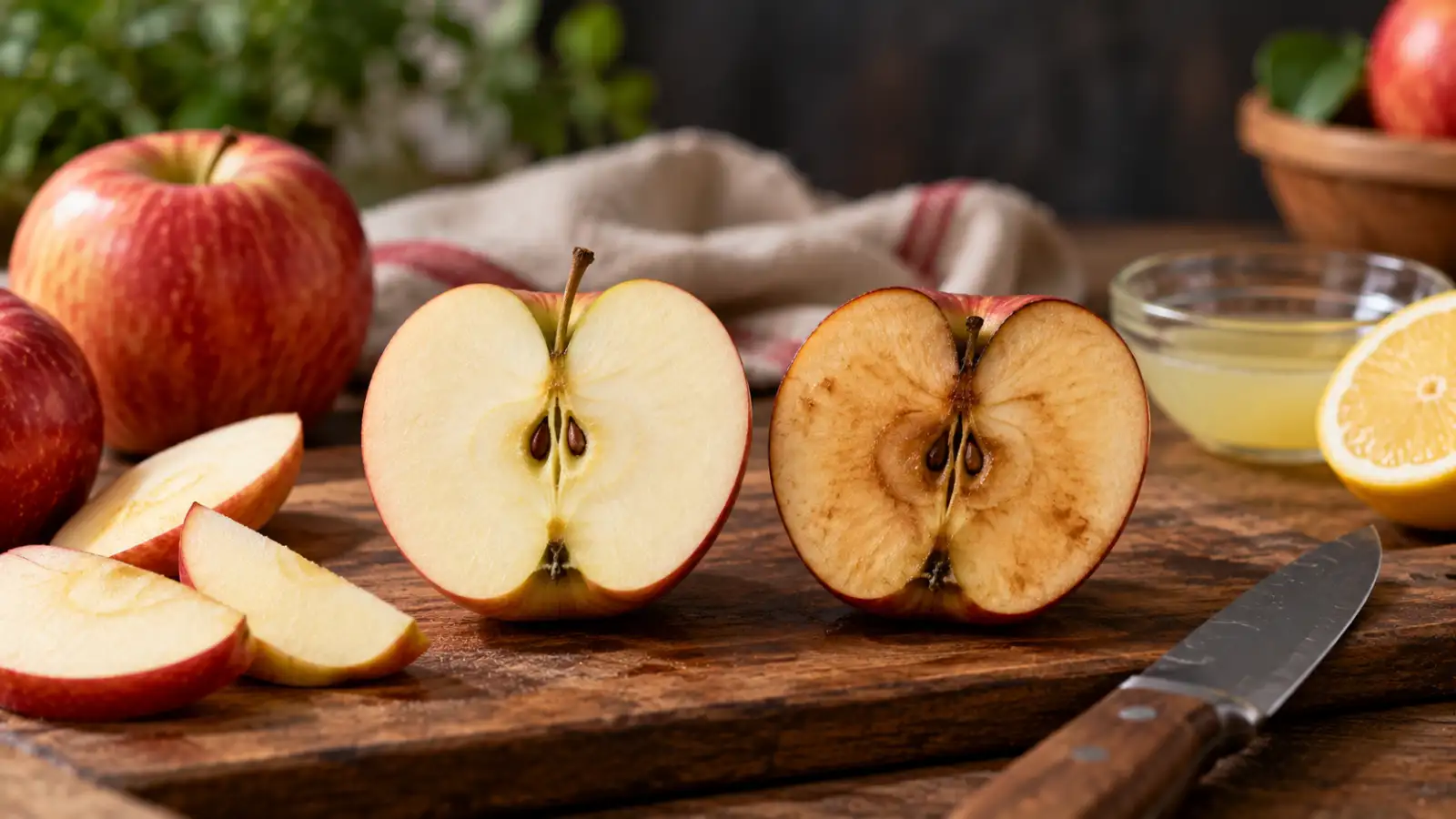
One important enzyme involved is polyphenol oxidase. When the cut surface is exposed to oxygen, this enzyme helps convert certain naturally occurring compounds called polyphenols into compounds known as quinones.
Those quinones then undergo further reactions, producing the brown pigments visible on the apple's surface.
Some apple varieties contain more of the compounds involved in the reaction, while others have greater natural acidity. A freshly cut apple kept warm and exposed to plenty of air can brown relatively quickly.
The size of the cut also matters. A thin slice has a larger exposed surface relative to its volume, meaning more flesh comes into contact with oxygen.
However, signs such as mould, an unpleasant smell, excessive softness or unusual fermentation indicate that the fruit should be discarded.
Submerging slices briefly in water can reduce their contact with oxygen, although the effect is temporary.
So the next time a sliced apple turns brown, it is not necessarily a sign that dinner has gone wrong. It is simply the fruit reacting with the air around it.
What Happens When You Cut an Apple?
An intact apple keeps many of its chemical components separated inside individual cells. Cutting through the flesh damages those cells and brings substances together that normally remain apart.One important enzyme involved is polyphenol oxidase. When the cut surface is exposed to oxygen, this enzyme helps convert certain naturally occurring compounds called polyphenols into compounds known as quinones.
Those quinones then undergo further reactions, producing the brown pigments visible on the apple's surface.
Why Some Apples Brown Faster
Not every apple changes colour at the same speed. The variety, maturity, temperature and acidity of the fruit can all influence browning.You may also like
- Post Office SCSS: Invest in this scheme just once and receive ₹20,500 every month..
- EPFO: Complete this important PF-related task by December 28; your retirement fund could be affected..
- Government Launches Rashtriya Poshan Maah 2026: Pregnant Women and Children Can Get Key Benefits, Check Details
- Zero waste, zero electricity bill: How a 75-year-old Padma Shri awardee built a home that powers itself and 50 others too
- Preparing The Heart For Krishn
Some apple varieties contain more of the compounds involved in the reaction, while others have greater natural acidity. A freshly cut apple kept warm and exposed to plenty of air can brown relatively quickly.
The size of the cut also matters. A thin slice has a larger exposed surface relative to its volume, meaning more flesh comes into contact with oxygen.
Does Brown Mean the Apple Is Bad?
Usually, no. Browning caused by oxidation does not automatically mean an apple is rotten. The texture and flavour may gradually decline, but a freshly cut apple that has simply turned brown is generally still edible.However, signs such as mould, an unpleasant smell, excessive softness or unusual fermentation indicate that the fruit should be discarded.
How Can You Slow Apple Browning?
Acid is one of the simplest ways to slow the reaction. Lemon juice works because its acidity interferes with the enzymes responsible for browning. Keeping cut apples refrigerated can also slow enzymatic activity.Submerging slices briefly in water can reduce their contact with oxygen, although the effect is temporary.
A Small Reaction With a Useful Lesson
Apple browning is a good reminder that food can change dramatically without actually becoming dangerous. The colour change is essentially chemistry happening in front of us.So the next time a sliced apple turns brown, it is not necessarily a sign that dinner has gone wrong. It is simply the fruit reacting with the air around it.






Loving Newspoint? Download the app now
