
Why Does Rice Sometimes Become Sticky After Cooking?

Rice can be wonderfully fluffy, with separate grains that tumble easily from a spoon. But sometimes the same rice comes out sticky, clumped together and heavier than expected. The reason is not simply that something went wrong in the kitchen. Rice contains starch, and the way that starch behaves during cooking determines much of the final texture. The variety of rice, amount of water, washing method, cooking time and even what happens after cooking can all influence whether the grains remain separate or stick together. Understanding these factors can make everyday rice cooking much more predictable.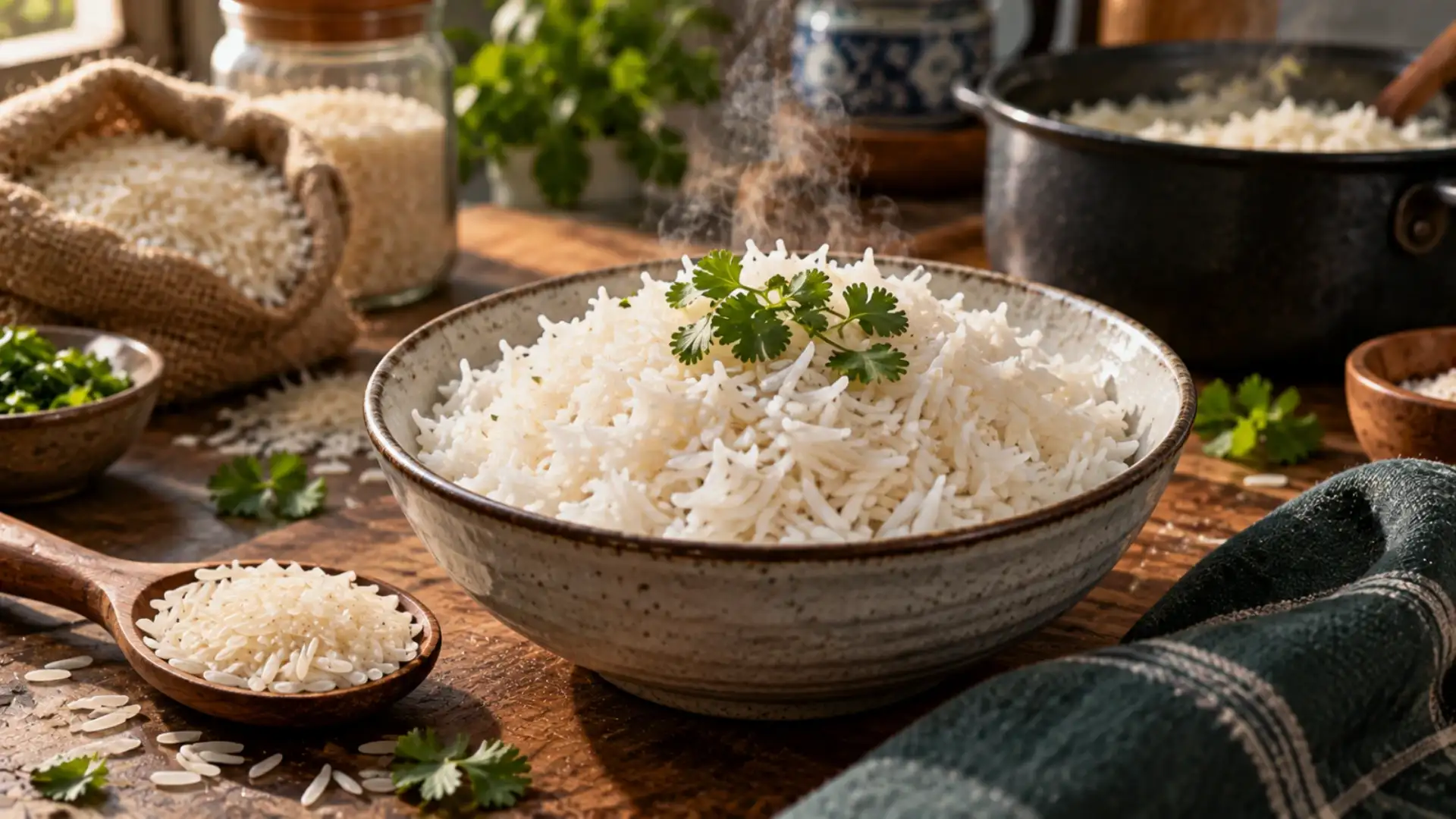
Rice with higher amylose content generally tends to cook into more separate grains. Varieties with more amylopectin tend to become softer and stickier.
This is why basmati rice and glutinous rice can produce dramatically different textures even when cooked using similar methods.
Excess water allows the grains to absorb more moisture and causes their starches to swell. As the grains become softer, they are more likely to stick together.
The correct water ratio depends on the type of rice and cooking method, so blindly following one ratio for every variety can lead to inconsistent results.
However, washing is not always necessary or desirable for every dish. Some recipes deliberately rely on starch to produce a creamy or cohesive texture.
Resting cooked rice for several minutes with the lid on can help moisture distribute more evenly. Gently fluffing it afterwards can separate the grains without breaking them.
The important question is whether the texture suits the dish.
Starch Is the Main Reason
Rice contains two major starch components, amylose and amylopectin. Their proportions vary between rice varieties.Rice with higher amylose content generally tends to cook into more separate grains. Varieties with more amylopectin tend to become softer and stickier.
This is why basmati rice and glutinous rice can produce dramatically different textures even when cooked using similar methods.
Too Much Water Can Cause Problems
One of the most common reasons for sticky rice is using more water than the particular variety requires.You may also like
- Post Office SCSS: Invest in this scheme just once and receive ₹20,500 every month..
- EPFO: Complete this important PF-related task by December 28; your retirement fund could be affected..
- Government Launches Rashtriya Poshan Maah 2026: Pregnant Women and Children Can Get Key Benefits, Check Details
- Zero waste, zero electricity bill: How a 75-year-old Padma Shri awardee built a home that powers itself and 50 others too
- Preparing The Heart For Krishn
Excess water allows the grains to absorb more moisture and causes their starches to swell. As the grains become softer, they are more likely to stick together.
The correct water ratio depends on the type of rice and cooking method, so blindly following one ratio for every variety can lead to inconsistent results.
Washing Rice Makes a Difference
Rinsing rice removes some loose surface starch. For many varieties, several gentle rinses can help reduce excessive stickiness.However, washing is not always necessary or desirable for every dish. Some recipes deliberately rely on starch to produce a creamy or cohesive texture.
Overcooking Can Make Rice Clump
Rice that remains on heat for too long can become overly soft. Once the grains lose their structure, they are much more likely to stick together.Resting cooked rice for several minutes with the lid on can help moisture distribute more evenly. Gently fluffing it afterwards can separate the grains without breaking them.
Sticky Is Not Always Bad
Sticky rice is not necessarily a cooking failure. Some cuisines deliberately use sticky textures. Sushi rice, risotto and several Asian rice dishes depend on starch and moisture to create cohesion.The important question is whether the texture suits the dish.
The Everyday Lesson
Rice demonstrates how small changes in ingredients and technique can produce very different results. Once you understand starch, water and cooking time, sticky rice becomes less of a mystery and more of a controllable kitchen choice.





Loving Newspoint? Download the app now
