
Why Flamingos Are Pink: The Fascinating Truth Behind Their Color

Flamingos are among the most recognizable birds in the world, admired for their elegant appearance and striking pink feathers. But contrary to what many people think, flamingos are not born pink. Their vibrant color develops over time and is closely linked to their diet. Here's a closer look at the fascinating science behind why flamingos are pink .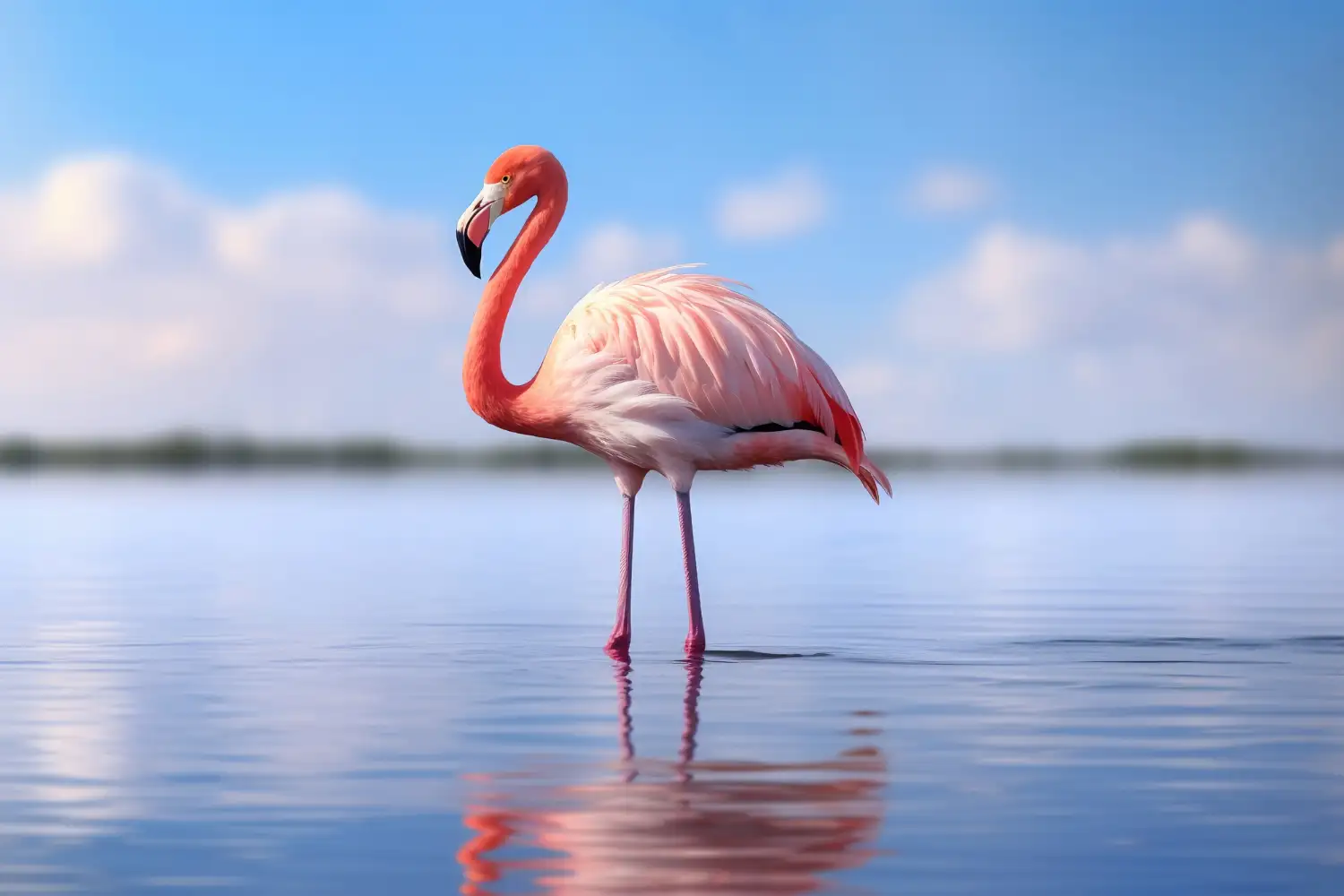
Flamingos Are Born Gray or White
Newly hatched flamingo chicks are covered in soft gray or white down feathers. Their straight bills also look very different from the curved bills of adults. As they grow and begin eating the same foods as adult flamingos, their feathers gradually start changing color. It may take several years for young flamingos to develop their full adult plumage.
The Secret Lies in Their Diet
The pink color comes from natural pigments called carotenoids. Flamingos consume these pigments by eating algae, tiny crustaceans such as brine shrimp, and other small aquatic organisms that naturally contain carotenoids. These same pigments are also responsible for the orange color of carrots and the red color of some peppers and tomatoes.
How Carotenoids Change Feather Color
After flamingos eat carotenoid-rich food, their digestive system breaks down the pigments. The pigments are then absorbed into the bloodstream and deposited in growing feathers, skin, and even parts of the bill and legs. Over time, repeated consumption of carotenoid-rich foods gives flamingos their famous pink, coral, or reddish appearance.
Not All Flamingos Look the Same
The intensity of a flamingo's color varies depending on its species, diet, health, and age. Birds with access to more carotenoid-rich food often display brighter pink or reddish feathers, while those with fewer pigments in their diet may appear pale pink or even almost white. Different flamingo species also naturally vary in coloration.
Flamingos Use Special Feeding Techniques
Flamingos have uniquely shaped bills designed for filter feeding. They often feed with their heads upside down, sweeping their bills through shallow water. Tiny comb-like structures called lamellae trap algae, microscopic organisms, and small invertebrates while allowing water and mud to pass through. This efficient feeding method helps them gather the pigment-rich foods needed to maintain their color.
Molting Can Affect Their Appearance
Like many birds, flamingos replace their feathers during molting. Newly growing feathers receive carotenoid pigments from the bird's diet. If a flamingo consumes fewer carotenoid-rich foods during this period, the new feathers may appear lighter than usual until its diet improves.
Zoo Flamingos Need the Right Nutrition
Flamingos living in zoos do not naturally have access to all the foods found in the wild. To help maintain their natural coloration and overall health, zoos provide specially formulated diets containing safe sources of carotenoids. Without these pigments, captive flamingos would gradually lose much of their characteristic pink color.
Color Can Reflect Overall Health
Bright plumage may indicate that a flamingo has been eating well and is in good physical condition. Since obtaining carotenoid-rich food requires successful feeding, vibrant feathers can reflect good nutrition. However, feather color alone does not provide a complete picture of a flamingo's health.
Pink Color Is Not Permanent
A flamingo's color can change throughout its life. If its diet lacks sufficient carotenoids for an extended period, its feathers may become noticeably paler after molting. Once carotenoid-rich foods become available again, future feathers can regain their brighter shades.
A Beautiful Example of Nature at Work
The flamingo's pink feathers are a remarkable example of how diet can influence an animal's appearance. Rather than being inherited as a fixed color at birth, their famous hue develops through the natural pigments found in the food they eat. This unique adaptation makes flamingos one of nature's most fascinating and colorful birds.
Flamingos Are Born Gray or White
Newly hatched flamingo chicks are covered in soft gray or white down feathers. Their straight bills also look very different from the curved bills of adults. As they grow and begin eating the same foods as adult flamingos, their feathers gradually start changing color. It may take several years for young flamingos to develop their full adult plumage. The Secret Lies in Their Diet
The pink color comes from natural pigments called carotenoids. Flamingos consume these pigments by eating algae, tiny crustaceans such as brine shrimp, and other small aquatic organisms that naturally contain carotenoids. These same pigments are also responsible for the orange color of carrots and the red color of some peppers and tomatoes.How Carotenoids Change Feather Color
After flamingos eat carotenoid-rich food, their digestive system breaks down the pigments. The pigments are then absorbed into the bloodstream and deposited in growing feathers, skin, and even parts of the bill and legs. Over time, repeated consumption of carotenoid-rich foods gives flamingos their famous pink, coral, or reddish appearance. Not All Flamingos Look the Same
The intensity of a flamingo's color varies depending on its species, diet, health, and age. Birds with access to more carotenoid-rich food often display brighter pink or reddish feathers, while those with fewer pigments in their diet may appear pale pink or even almost white. Different flamingo species also naturally vary in coloration.You may also like
- How Bollywood's women grew up with India
- PMGKAY Scheme: Good news for ration card holders; government takes a major decision regarding rice quality..
- Amarnath Yatra 2026 begins today; find out the full details here—which route to take and what to carry..
- Devotees heading for the Amarnath Yatra will have access to free bus and taxi services around the clock, starting at 5 AM..
- Administration issues advisory for Amarnath Yatra 2026; arriving without registration could lead to difficulties..
Flamingos Use Special Feeding Techniques
Flamingos have uniquely shaped bills designed for filter feeding. They often feed with their heads upside down, sweeping their bills through shallow water. Tiny comb-like structures called lamellae trap algae, microscopic organisms, and small invertebrates while allowing water and mud to pass through. This efficient feeding method helps them gather the pigment-rich foods needed to maintain their color. Molting Can Affect Their Appearance
Like many birds, flamingos replace their feathers during molting. Newly growing feathers receive carotenoid pigments from the bird's diet. If a flamingo consumes fewer carotenoid-rich foods during this period, the new feathers may appear lighter than usual until its diet improves. Zoo Flamingos Need the Right Nutrition
Flamingos living in zoos do not naturally have access to all the foods found in the wild. To help maintain their natural coloration and overall health, zoos provide specially formulated diets containing safe sources of carotenoids. Without these pigments, captive flamingos would gradually lose much of their characteristic pink color. Color Can Reflect Overall Health
Bright plumage may indicate that a flamingo has been eating well and is in good physical condition. Since obtaining carotenoid-rich food requires successful feeding, vibrant feathers can reflect good nutrition. However, feather color alone does not provide a complete picture of a flamingo's health.Pink Color Is Not Permanent
A flamingo's color can change throughout its life. If its diet lacks sufficient carotenoids for an extended period, its feathers may become noticeably paler after molting. Once carotenoid-rich foods become available again, future feathers can regain their brighter shades. A Beautiful Example of Nature at Work
The flamingo's pink feathers are a remarkable example of how diet can influence an animal's appearance. Rather than being inherited as a fixed color at birth, their famous hue develops through the natural pigments found in the food they eat. This unique adaptation makes flamingos one of nature's most fascinating and colorful birds. 





More from our partners


Loving Newspoint? Download the app now
