
How to Make Thick, Creamy Curd at Home Without Excess Water Separation

Homemade curd is a staple in many Indian kitchens, whether it is served with parathas, mixed into rice or used to prepare raita. However, sometimes a fresh batch develops a layer of water on the surface or becomes thinner than expected. This liquid, known as whey, separates naturally from the curd as its structure changes. Although a little separation is normal, excessive water can affect the texture and appearance of homemade curd. Understanding factors such as milk quality, temperature, starter culture and setting time can help you prepare a thicker, smoother batch using simple methods at home.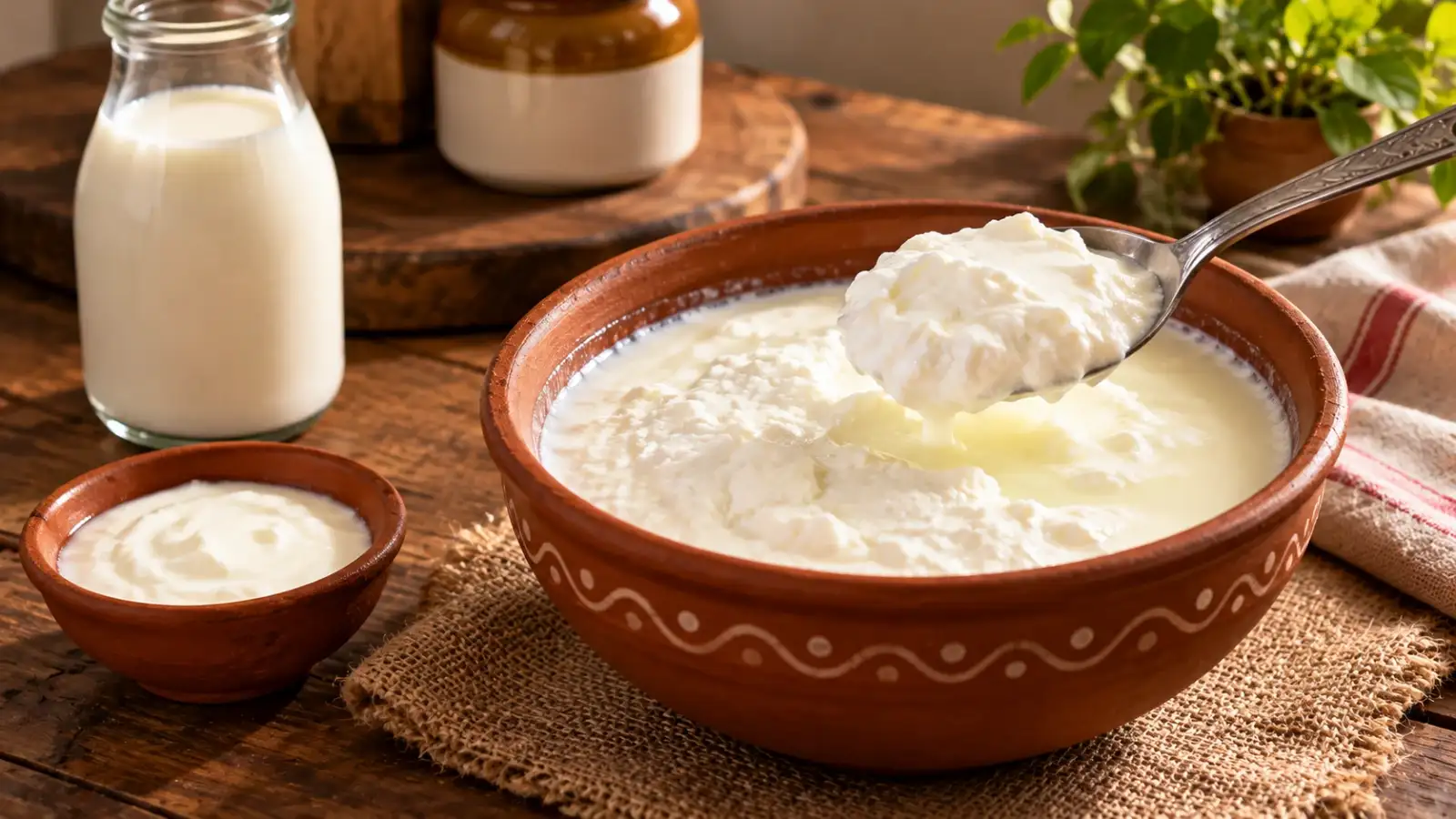
Curd forms when bacteria in the starter culture ferment lactose and produce lactic acid. As the milk becomes more acidic, its proteins form a network that traps moisture and creates the familiar thick texture.
Sometimes, this network releases part of the trapped liquid. This process is called whey separation or syneresis. A small amount does not necessarily mean the curd has spoiled or was prepared incorrectly.
If the milk is too cool, fermentation may take longer, particularly in a cold kitchen. The curd may take longer to set or develop a less consistent texture.
For a typical homemade batch, heat the milk first, then allow it to cool until lukewarm before adding the starter. A common starting point is around 40–45°C, although the ideal temperature depends on the starter culture and method being used.
If you do not have a thermometer, the milk should feel comfortably warm rather than hot when tested carefully.
Toned or skimmed milk may produce a less creamy result than full-cream milk, depending on the product and preparation method. However, fat content alone does not determine thickness; protein levels and processing also matter.
If your curd regularly turns thin, try using fresh full-cream milk or another milk with a suitable protein content. Consistency can also improve if the milk is heated gently before cooling and setting.
An excessive amount can speed up acid production, potentially causing the curd to become overly sour or encouraging moisture separation, especially if it is left to ferment for too long.
For a small household batch, begin with roughly one to two teaspoons of fresh curd per 500 ml of milk and adjust according to your starter and conditions. Use a starter that smells fresh and has a normal texture rather than one that is unusually sour or has signs of spoilage.
Setting time varies with room temperature, milk and the strength of the starter. In warm weather, curd may set within a few hours, while cooler conditions can require longer.
Check the curd periodically rather than relying on a fixed number of hours. Once it has set, move it to the refrigerator to slow fermentation and help maintain its texture.
Avoid repeatedly shaking or moving the container while the curd is setting, as this can disturb the developing structure.
Watery curd can also be used in recipes such as kadhi, marinades, smoothies or pancake batter, provided it is fresh and suitable for the dish.
However, discard curd if it shows signs of spoilage, such as unusual discolouration, mould, an unpleasant odour or an unexpected slimy texture. Do not taste it to check whether it is safe. Proper refrigeration and clean utensils are important for safe storage.
Homemade curd can turn watery because of natural whey separation, unsuitable temperatures, milk composition, excess starter or prolonged fermentation. A little liquid on the surface is normal, but careful preparation can help produce a thicker and smoother result. Start with suitable milk, add the starter when the milk is lukewarm, leave the container undisturbed and refrigerate the curd once it sets. These small changes can make homemade curd more consistent without requiring special equipment or complicated ingredients.
1. What Is the Water That Separates From Curd?
The watery liquid found on the surface of curd is usually whey. It contains water along with dissolved components of milk, including some lactose, minerals and proteins.Curd forms when bacteria in the starter culture ferment lactose and produce lactic acid. As the milk becomes more acidic, its proteins form a network that traps moisture and creates the familiar thick texture.
Sometimes, this network releases part of the trapped liquid. This process is called whey separation or syneresis. A small amount does not necessarily mean the curd has spoiled or was prepared incorrectly.
2. Milk Temperature Can Affect the Texture
Temperature plays an important role in making homemade curd. If the milk is too hot when the starter is added, the heat can damage the useful bacteria and interfere with proper fermentation.If the milk is too cool, fermentation may take longer, particularly in a cold kitchen. The curd may take longer to set or develop a less consistent texture.
For a typical homemade batch, heat the milk first, then allow it to cool until lukewarm before adding the starter. A common starting point is around 40–45°C, although the ideal temperature depends on the starter culture and method being used.
If you do not have a thermometer, the milk should feel comfortably warm rather than hot when tested carefully.
3. The Type of Milk Makes a Difference
The composition of milk influences how firmly curd sets. Milk with a higher protein and solids content often produces a thicker curd because it can form a stronger structure that holds moisture.Toned or skimmed milk may produce a less creamy result than full-cream milk, depending on the product and preparation method. However, fat content alone does not determine thickness; protein levels and processing also matter.
If your curd regularly turns thin, try using fresh full-cream milk or another milk with a suitable protein content. Consistency can also improve if the milk is heated gently before cooling and setting.
4. Adding Too Much Starter Can Cause Problems
The starter culture provides the bacteria needed to ferment the milk. Adding more starter than necessary does not automatically make the curd thicker or better.An excessive amount can speed up acid production, potentially causing the curd to become overly sour or encouraging moisture separation, especially if it is left to ferment for too long.
For a small household batch, begin with roughly one to two teaspoons of fresh curd per 500 ml of milk and adjust according to your starter and conditions. Use a starter that smells fresh and has a normal texture rather than one that is unusually sour or has signs of spoilage.
You may also like
- 'Quick tasks' before clock-out? Employee says the boss keeps extending workdays without overtime pay, sparking debates over burnout, boundaries and the pressure to always say yes
- Paytm AU Bank Credit Card: Get this new card with zero fees and enjoy significant savings on UPI payments..
- The wait for the 24th installment is over! Find out which farmers will have ₹2,000 transferred into their accounts this week..
- The Significance of Sixteen Adornments on Karva Chauth: A Blend of Beauty and Tradition
- Egyptian Sphinx: Fossils Near Reveal Ancient Gharial Crocodile
5. Leaving Curd to Set for Too Long
Curd needs enough time to ferment, but leaving it in a warm place long after it has set can make it increasingly sour and encourage whey separation.Setting time varies with room temperature, milk and the strength of the starter. In warm weather, curd may set within a few hours, while cooler conditions can require longer.
Check the curd periodically rather than relying on a fixed number of hours. Once it has set, move it to the refrigerator to slow fermentation and help maintain its texture.
Avoid repeatedly shaking or moving the container while the curd is setting, as this can disturb the developing structure.
6. How to Make Homemade Curd Thicker
A few simple adjustments can improve the consistency of your next batch:- Heat the milk properly before cooling it to the temperature needed for adding the starter.
- Use fresh milk with a suitable protein and solids content.
- Add a moderate amount of fresh starter rather than increasing it unnecessarily.
- Keep the container covered and undisturbed while the curd sets.
- Refrigerate the curd once it has formed a firm set.
- For a thicker result, strain set curd through a clean muslin cloth in the refrigerator to remove some whey.
7. Can You Still Use Watery Homemade Curd?
If the curd smells fresh, has a normal appearance and has been handled and stored safely, a small amount of separated whey is generally not a problem. You can stir the liquid back into the curd or drain some of it if you prefer a firmer texture.Watery curd can also be used in recipes such as kadhi, marinades, smoothies or pancake batter, provided it is fresh and suitable for the dish.
However, discard curd if it shows signs of spoilage, such as unusual discolouration, mould, an unpleasant odour or an unexpected slimy texture. Do not taste it to check whether it is safe. Proper refrigeration and clean utensils are important for safe storage.
Homemade curd can turn watery because of natural whey separation, unsuitable temperatures, milk composition, excess starter or prolonged fermentation. A little liquid on the surface is normal, but careful preparation can help produce a thicker and smoother result. Start with suitable milk, add the starter when the milk is lukewarm, leave the container undisturbed and refrigerate the curd once it sets. These small changes can make homemade curd more consistent without requiring special equipment or complicated ingredients.






Loving Newspoint? Download the app now
