
Why Folding Hands In Namaste Is Spiritually Powerful

Namaste is one of the most recognised greetings associated with Indian culture and Hindu traditions. Whether visiting a temple, greeting elders or welcoming guests, many people instinctively fold their hands and say “Namaste” as a mark of respect.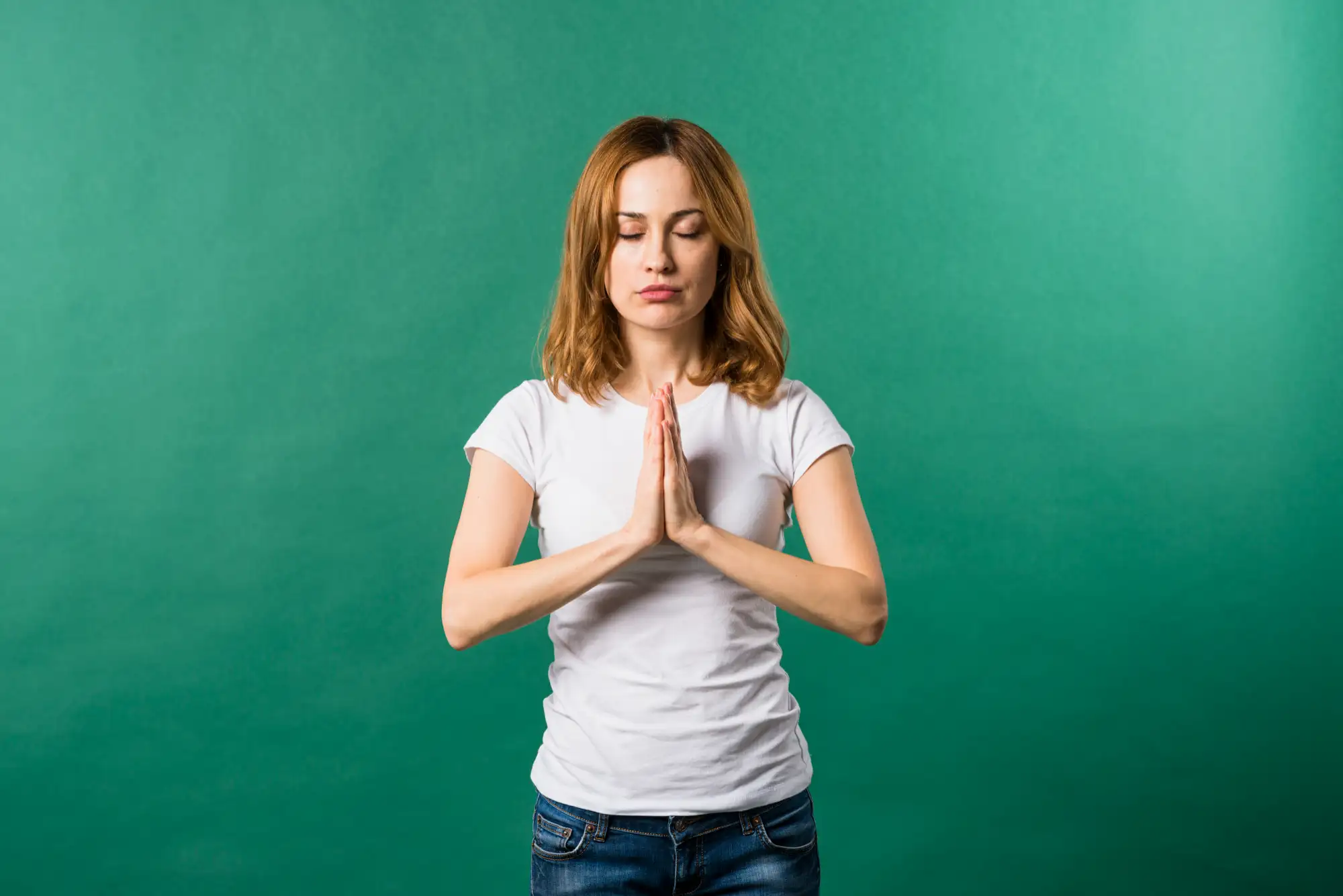
Although it may appear simple, the folded hands gesture carries deep spiritual meaning and psychological significance. Today, Namaste is not only practised in India but has also gained global popularity through yoga and meditation practices.
Together, Namaste translates to “I bow to you.” Spiritually, it is often understood as acknowledging the divine presence within another person. The greeting reflects humility, respect and emotional connection.
In Hindu culture , Namaste is more than a polite social custom. It symbolises recognising the spiritual essence that exists within every individual.
Also Read: What Happens When You Chant Om Every Day?
This simple act encourages compassion, humility and emotional awareness. It also reflects the idea that all individuals are spiritually connected.
Many yogic traditions also associate Namaste with balance between the body and mind. According to yogic philosophy, the body contains two important energy channels known as Ida Nadi and Pingala Nadi. Bringing the palms together during Namaste is believed to create harmony between these energies.
When both palms are pressed together, gentle pressure is applied to certain nerve points in the fingers and palms. Some wellness experts believe this may help improve focus and awareness.
The folded hands gesture also encourages mindfulness practice . Instead of rushing through social interaction, Namaste creates a moment of pause and conscious attention. This can naturally calm the mind and improve emotional balance.
Many people also believe the gesture helps activate the Heart Chakra and Ajna Chakra, promoting positivity and inner peace during yoga and meditation.
The act of greeting someone respectfully with folded hands can create emotional warmth and strengthen human connection. It may also reduce feelings of aggression and encourage humility.
Unlike handshakes, Namaste is a non-contact greeting, which made it especially popular worldwide after the pandemic. Many global leaders and public figures adopted this Indian greeting tradition as a respectful and mindful alternative.
More than just a greeting, Namaste reminds people to approach others with kindness, awareness and humility. Its timeless message continues to remain meaningful across cultures and generations.
Although it may appear simple, the folded hands gesture carries deep spiritual meaning and psychological significance. Today, Namaste is not only practised in India but has also gained global popularity through yoga and meditation practices.
What Does Namaste Mean?
The word Namaste comes from Sanskrit and is formed using two words: “namas”, meaning bow or salutation, and “te”, meaning to you.Together, Namaste translates to “I bow to you.” Spiritually, it is often understood as acknowledging the divine presence within another person. The greeting reflects humility, respect and emotional connection.
In Hindu culture , Namaste is more than a polite social custom. It symbolises recognising the spiritual essence that exists within every individual.
Also Read: What Happens When You Chant Om Every Day?
Spiritual Meaning Of Namaste
The spiritual meaning of Namaste is deeply connected to unity and respect. According to traditional beliefs, every human being carries divine energy within them. By folding hands and bowing slightly, a person symbolically honours that inner divinity.This simple act encourages compassion, humility and emotional awareness. It also reflects the idea that all individuals are spiritually connected.
Many yogic traditions also associate Namaste with balance between the body and mind. According to yogic philosophy, the body contains two important energy channels known as Ida Nadi and Pingala Nadi. Bringing the palms together during Namaste is believed to create harmony between these energies.
You may also like
- Why Assam's first-ever matcha tea production is big news for tea lovers in India (nutrients, health benefits inside)
- EPFO Aadhaar Face Authentication: Received a Verification Alert? Here's How to Link Your UAN from Home
- How the French are beating the heat with painting their windows with chalk
- Cape Verde Lost to Argentina, But Walked Away Taller
- No need to queue up to update your email ID anymore; get it done for free from the comfort of your home.
Scientific Significance Of The Folded Hands Gesture
Apart from spiritual beliefs, there are also scientific and psychological explanations connected to Namaste significance .When both palms are pressed together, gentle pressure is applied to certain nerve points in the fingers and palms. Some wellness experts believe this may help improve focus and awareness.
The folded hands gesture also encourages mindfulness practice . Instead of rushing through social interaction, Namaste creates a moment of pause and conscious attention. This can naturally calm the mind and improve emotional balance.
Many people also believe the gesture helps activate the Heart Chakra and Ajna Chakra, promoting positivity and inner peace during yoga and meditation.
Psychological Benefits Of Namaste
Modern lifestyles often involve stress, distractions and fast communication. Namaste encourages people to slow down and become more present during interactions.The act of greeting someone respectfully with folded hands can create emotional warmth and strengthen human connection. It may also reduce feelings of aggression and encourage humility.
Unlike handshakes, Namaste is a non-contact greeting, which made it especially popular worldwide after the pandemic. Many global leaders and public figures adopted this Indian greeting tradition as a respectful and mindful alternative.
Namaste Beyond Tradition
Today, Namaste has become a global symbol of peace, mindfulness and spiritual awareness. From yoga studios to meditation centres around the world, the gesture continues to represent respect and inner harmony.More than just a greeting, Namaste reminds people to approach others with kindness, awareness and humility. Its timeless message continues to remain meaningful across cultures and generations.






More from our partners


Loving Newspoint? Download the app now
