
Why Is Petra Known as the Rose City of Jordan?

Petra is one of the world's most breathtaking archaeological treasures, drawing visitors from across the globe. Nestled in the rugged desert landscape of southern Jordan, this ancient city is famously known as the "Rose City." But what earned Petra this poetic nickname? The answer lies in its stunning natural beauty and remarkable history.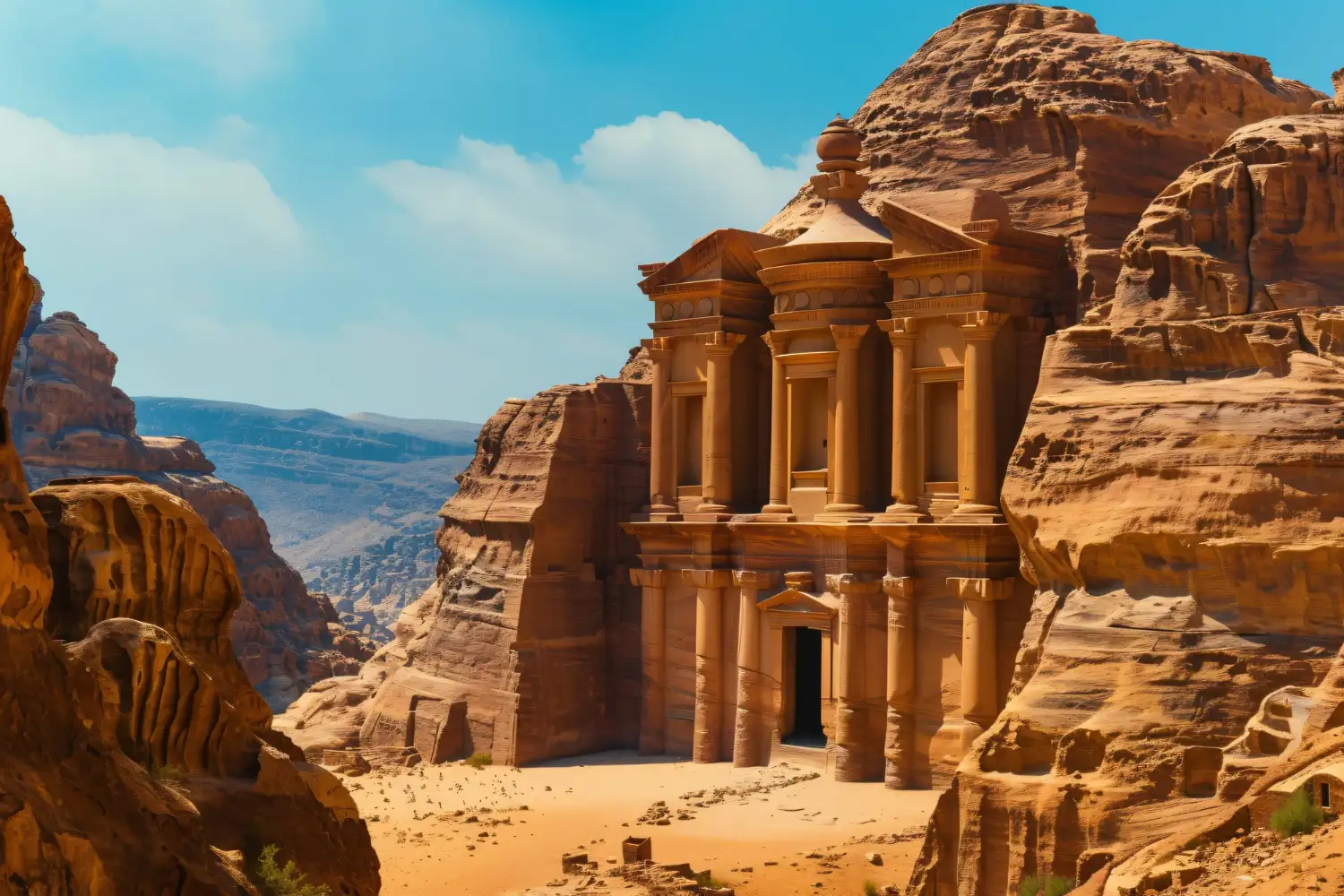
The Meaning Behind the Name
Petra is called the Rose City because of the distinctive pink, red, and rose-colored sandstone cliffs from which much of the city was carved. As sunlight shifts throughout the day, the stone changes shades, creating a mesmerizing display of colors that range from soft pink to deep crimson.
A City Carved into Rock
Unlike many ancient settlements built with bricks and stone blocks, Petra was carved directly into towering rock faces. Skilled craftsmen of the Nabataean civilization transformed the sandstone cliffs into temples, tombs, and monuments. The rose-colored rock gave the entire city a unique and unforgettable appearance.
The Legacy of the Nabataeans
Petra was established by the Nabataeans, an Arab civilization that flourished more than 2,000 years ago. Thanks to its strategic location along important trade routes, Petra became a prosperous center for commerce, connecting Arabia, Egypt, and the Mediterranean world.
The Famous Treasury
One of Petra's most iconic landmarks is the Treasury, known locally as Al-Khazneh. Carved into a massive sandstone cliff, its intricate facade glows in shades of pink and gold, especially during sunrise and sunset. This stunning structure is often the first image people associate with the Rose City.
More Than Just a Pretty Color
The rose-colored stone is not merely beautiful, it also tells a geological story. The sandstone cliffs were formed over millions of years, with minerals such as iron oxide contributing to the rich hues that make Petra so distinctive.
A UNESCO World Heritage Site
Recognizing its historical and cultural importance, Petra was designated a UNESCO World Heritage Site in 1985. The site is celebrated for its unique architecture, advanced water management systems, and extraordinary blend of natural and human-made wonders.
The Magic of Changing Light
One reason Petra captivates visitors is the way its colors transform throughout the day. Morning light highlights soft pink tones, while afternoon and evening sunlight deepens the red and orange shades. This ever-changing palette reinforces Petra's reputation as the Rose City.
A Wonder of the Modern World
Petra's beauty and historical significance earned it a place among the New Seven Wonders of the World in 2007. Millions of travelers continue to visit each year to witness its magnificent rock-cut monuments and striking desert scenery.
Why the Nickname Endures
The title "Rose City" perfectly captures Petra's visual charm. The city's rose-red sandstone cliffs, combined with its ancient architecture, create a landscape unlike any other in the world. It is a nickname that has endured for generations and remains synonymous with Petra's identity.
Petra is known as the Rose City of Jordan because of the extraordinary rose-colored sandstone that defines its landscape and architecture. Beyond its beautiful hues, Petra stands as a remarkable testament to human ingenuity, history, and culture. Its timeless beauty continues to inspire travelers and historians alike, making it one of the world's most unforgettable destinations.
The Meaning Behind the Name
Petra is called the Rose City because of the distinctive pink, red, and rose-colored sandstone cliffs from which much of the city was carved. As sunlight shifts throughout the day, the stone changes shades, creating a mesmerizing display of colors that range from soft pink to deep crimson. A City Carved into Rock
Unlike many ancient settlements built with bricks and stone blocks, Petra was carved directly into towering rock faces. Skilled craftsmen of the Nabataean civilization transformed the sandstone cliffs into temples, tombs, and monuments. The rose-colored rock gave the entire city a unique and unforgettable appearance.The Legacy of the Nabataeans
Petra was established by the Nabataeans, an Arab civilization that flourished more than 2,000 years ago. Thanks to its strategic location along important trade routes, Petra became a prosperous center for commerce, connecting Arabia, Egypt, and the Mediterranean world. The Famous Treasury
One of Petra's most iconic landmarks is the Treasury, known locally as Al-Khazneh. Carved into a massive sandstone cliff, its intricate facade glows in shades of pink and gold, especially during sunrise and sunset. This stunning structure is often the first image people associate with the Rose City.You may also like
- Why does Turkmenistan's capital look like a futuristic city with nobody in it?
- Debate Erupts Over Passport's Role as Proof of Citizenship
- Traditional Pregnancy Diets Around the World: Surprising Foods Expecting Mothers Eat
- Essential Tips for Newborn Care: Ensuring Safety and Comfort
- Understanding How Weather Influences Our Emotions
More Than Just a Pretty Color
The rose-colored stone is not merely beautiful, it also tells a geological story. The sandstone cliffs were formed over millions of years, with minerals such as iron oxide contributing to the rich hues that make Petra so distinctive. A UNESCO World Heritage Site
Recognizing its historical and cultural importance, Petra was designated a UNESCO World Heritage Site in 1985. The site is celebrated for its unique architecture, advanced water management systems, and extraordinary blend of natural and human-made wonders. The Magic of Changing Light
One reason Petra captivates visitors is the way its colors transform throughout the day. Morning light highlights soft pink tones, while afternoon and evening sunlight deepens the red and orange shades. This ever-changing palette reinforces Petra's reputation as the Rose City. A Wonder of the Modern World
Petra's beauty and historical significance earned it a place among the New Seven Wonders of the World in 2007. Millions of travelers continue to visit each year to witness its magnificent rock-cut monuments and striking desert scenery.Why the Nickname Endures
The title "Rose City" perfectly captures Petra's visual charm. The city's rose-red sandstone cliffs, combined with its ancient architecture, create a landscape unlike any other in the world. It is a nickname that has endured for generations and remains synonymous with Petra's identity. Petra is known as the Rose City of Jordan because of the extraordinary rose-colored sandstone that defines its landscape and architecture. Beyond its beautiful hues, Petra stands as a remarkable testament to human ingenuity, history, and culture. Its timeless beauty continues to inspire travelers and historians alike, making it one of the world's most unforgettable destinations.






More from our partners


Loving Newspoint? Download the app now
