
Why Leaves Look Brighter After Rain: The Science Behind the Change

There is something almost magical about the world immediately after rainfall. Trees appear greener, leaves look cleaner and even ordinary plants seem to have a fresh glow. But this transformation is not simply an illusion. Rain changes the way light interacts with a leaf, washes away layers of dust and can temporarily alter the plant's water content. In some cases, the difference is so striking that the same tree can look dull before a shower and intensely green afterwards. The effect comes from a combination of optics, plant biology and simple environmental changes that happen within minutes or hours of rainfall.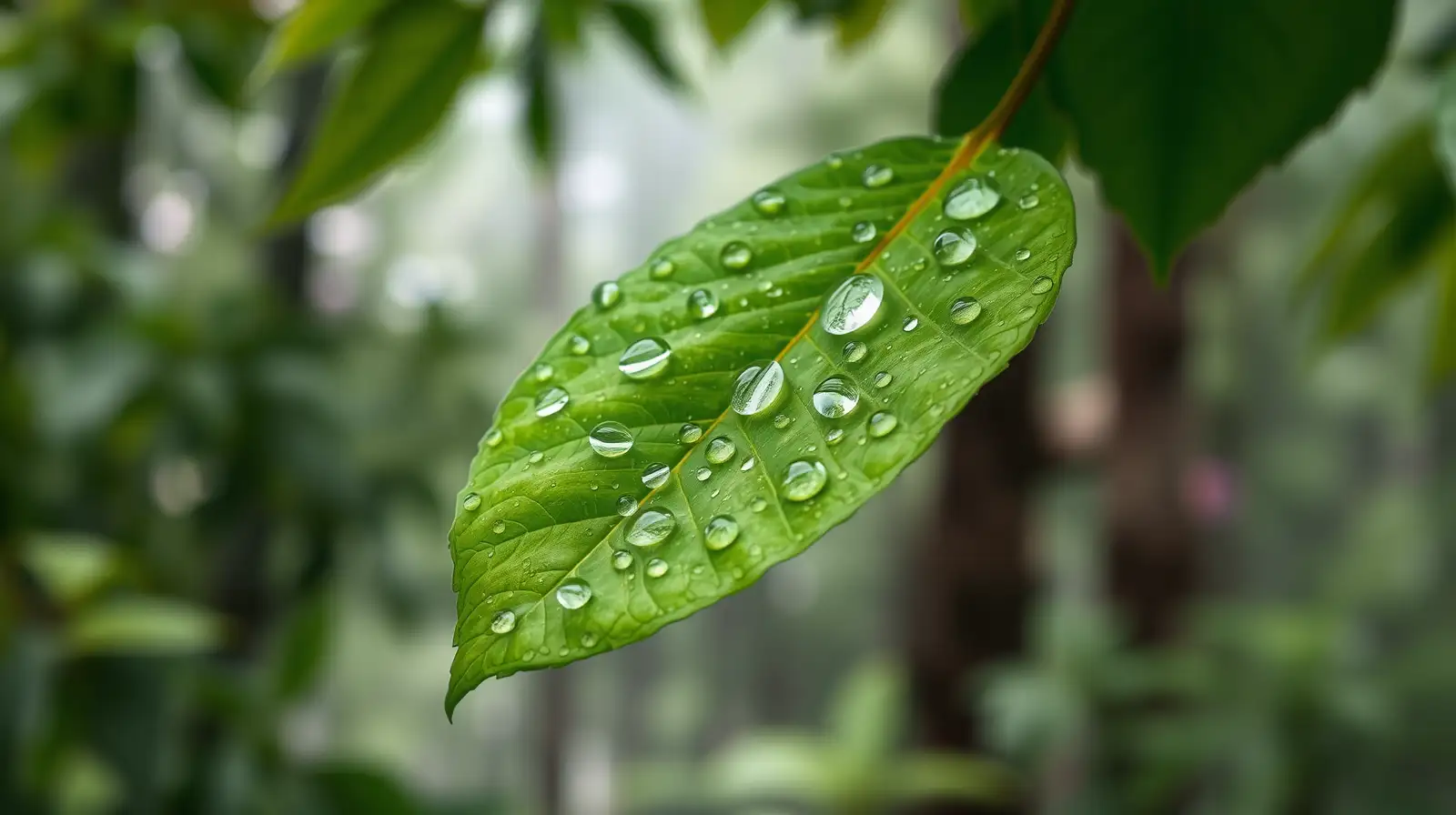
Leaves constantly collect tiny particles from the atmosphere. Dust, soil particles, pollen and other debris can settle on their surfaces, creating a thin layer that makes them appear duller.
Rain acts like a natural rinse. As droplets run across the leaf, they carry some of this material away.
This is especially noticeable in cities, where leaves can accumulate pollution and airborne dust. After a heavy shower, trees along roadsides can suddenly appear much greener.
A dry leaf has microscopic irregularities on its surface. These affect how incoming light is scattered. When the surface becomes wet, water fills some of those tiny gaps and changes the way light interacts with the leaf.
The result can make the leaf appear smoother, darker and more saturated in colour. Human vision often interprets this stronger green as a healthier or brighter appearance.
The same basic effect can be seen when a dry stone becomes darker after being soaked with water.
When water reaches the roots, it can eventually be transported through the plant's vascular system. This helps maintain the water pressure inside plant cells, known as turgor pressure.
Well-hydrated leaves can appear firmer and more upright than leaves affected by drought. Their surfaces may look fresher because the plant is no longer conserving water as aggressively.
This does not mean rain instantly makes a plant healthier. The process of water uptake through roots takes time, particularly after prolonged dry conditions.
This cleaner atmosphere can indirectly make vegetation appear more vivid because there is less haze between our eyes and the leaves.
The effect is particularly noticeable after a strong shower following a long dry spell.
Rain does not suddenly create a large amount of new chlorophyll. Instead, cleaning, hydration and changes in light reflection can make the existing colour appear much more intense.
So the dramatic greenery after rain is partly biology and partly optics.
That familiar post-rain glow is therefore not just a mood created by pleasant weather. It is a fascinating example of how water can transform the appearance of the living world without fundamentally changing what was already there.
Rain Washes Away the Dust
One of the most obvious reasons leaves look brighter after rain is also one of the simplest.Leaves constantly collect tiny particles from the atmosphere. Dust, soil particles, pollen and other debris can settle on their surfaces, creating a thin layer that makes them appear duller.
Rain acts like a natural rinse. As droplets run across the leaf, they carry some of this material away.
This is especially noticeable in cities, where leaves can accumulate pollution and airborne dust. After a heavy shower, trees along roadsides can suddenly appear much greener.
Water Changes the Way Light Reflects
There is also an optical explanation for the brighter appearance.A dry leaf has microscopic irregularities on its surface. These affect how incoming light is scattered. When the surface becomes wet, water fills some of those tiny gaps and changes the way light interacts with the leaf.
The result can make the leaf appear smoother, darker and more saturated in colour. Human vision often interprets this stronger green as a healthier or brighter appearance.
The same basic effect can be seen when a dry stone becomes darker after being soaked with water.
Leaves Become Better Hydrated
Rain also changes the plant itself.When water reaches the roots, it can eventually be transported through the plant's vascular system. This helps maintain the water pressure inside plant cells, known as turgor pressure.
Well-hydrated leaves can appear firmer and more upright than leaves affected by drought. Their surfaces may look fresher because the plant is no longer conserving water as aggressively.
This does not mean rain instantly makes a plant healthier. The process of water uptake through roots takes time, particularly after prolonged dry conditions.
Rain Can Temporarily Improve the Air Around Plants
Rain also removes airborne particles from the atmosphere. After a shower, the air can contain fewer suspended dust particles, making distant objects appear clearer.You may also like
- Which solar panel system should you choose? On-Grid, Off-Grid, or Hybrid—understand the differences.
- BESTÅ by IKEA: For homes that never stay still
- Indian man talks about the 'harsh reality' of moving to the US: 'Be prepared to put your photo on the wall if you work at a gas station'
- Delhi Prepares Drone Policy; Over 1,000 New Jobs Expected
- Income Tax Refund: Haven't received your income tax refund yet? These 5 reasons could be responsible..
This cleaner atmosphere can indirectly make vegetation appear more vivid because there is less haze between our eyes and the leaves.
The effect is particularly noticeable after a strong shower following a long dry spell.
Why the Green Looks So Dramatic
Leaves contain chlorophyll, the pigment responsible for absorbing much of the red and blue light used in photosynthesis while reflecting green light back towards our eyes.Rain does not suddenly create a large amount of new chlorophyll. Instead, cleaning, hydration and changes in light reflection can make the existing colour appear much more intense.
So the dramatic greenery after rain is partly biology and partly optics.
A Natural Reset Button
The next time trees seem unusually bright after a downpour, look closely at the leaves. You are seeing several small changes happening together: dust has been washed away, surfaces are wet, plants are becoming hydrated and the atmosphere is clearer.That familiar post-rain glow is therefore not just a mood created by pleasant weather. It is a fascinating example of how water can transform the appearance of the living world without fundamentally changing what was already there.






Loving Newspoint? Download the app now
