
Flavours of Identity: Why Local Street Food Tells the Story of a City

When visiting a new destination, guidebooks often direct tourists toward grand museums, historical monuments, and famous architecture. While these landmarks showcase a region's official heritage, the true beating heart of any urban center is found along its pavements and bustling market lanes. Stepping up to a sizzling roadside stall reveals a sensory journey unlike any other. Looking closely at culinary traditions shows why local street food tells the story of a city , offering an authentic window into its history, trade, and living culture.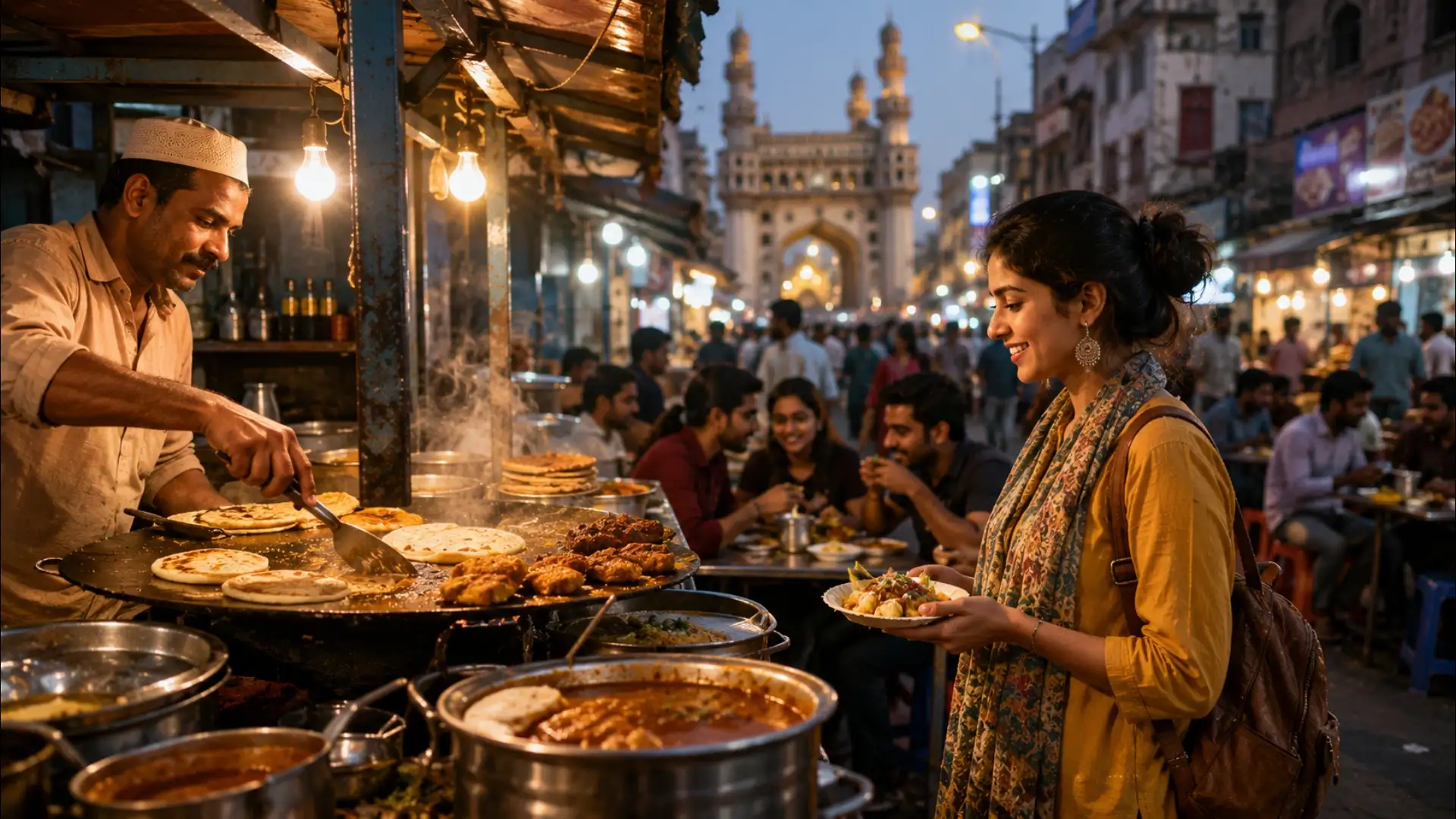
Every recipe served from a humble food cart carries generations of tradition, human movement, and local ingenuity. Here is how street food serves as the ultimate living history lesson.
Consider iconic dishes found across global capitals. A steaming bowl of noodle soup, a spicy flatbread roll, or a slow-roasted meat wrap rarely belongs to a single, isolated culture. Instead, these dishes reflect centuries of international merchants exchanging spices, workers bringing family recipes to new industrial towns, and communities adapting traditional cooking methods to locally available ingredients. Eating roadside snacks allows you to taste the historical layers that built the modern metropolis.
This necessity birthed incredible culinary innovation. Vendors learned to transform simple, inexpensive ingredients into delicious, nutrient-dense meals through clever fermentation, slow simmering, and bold spice blending. Understanding why local street food tells the story of a city involves recognizing how working-class resilience and culinary resourcefulness shaped a community identity long before modern restaurants existed.
Many street vendors specialise in a single dish, perfecting a family recipe passed down through generations. The secret spice blend, the shape of a hand-pressed dumpling, or the specific wood used for charcoal grilling carries oral traditions that are rarely written down in cookbooks. Supporting these independent cooks keeps traditional culinary heritage alive, ensuring that a region's unique identity survives for future generations.
There are no formal reservations, dress codes, or private tables. The shared experience of breathing in fragrant steam, watching a skilled cook work over open flames, and eating on simple outdoor benches creates an immediate sense of human connection. It showcases the welcoming spirit, daily rhythm, and social harmony of the neighborhood.
Every recipe served from a humble food cart carries generations of tradition, human movement, and local ingenuity. Here is how street food serves as the ultimate living history lesson.
1. A Reflection of Historical Trade and Migration
Cities are constantly shaped by the movement of people, whether through ancient trade routes, political shifts, or modern migration. Roadside stalls are often the first place where different cultures meet and blend their culinary habits.Consider iconic dishes found across global capitals. A steaming bowl of noodle soup, a spicy flatbread roll, or a slow-roasted meat wrap rarely belongs to a single, isolated culture. Instead, these dishes reflect centuries of international merchants exchanging spices, workers bringing family recipes to new industrial towns, and communities adapting traditional cooking methods to locally available ingredients. Eating roadside snacks allows you to taste the historical layers that built the modern metropolis.
2. Resourcefulness and Everyday Local Life
Unlike formal dining establishments that cater to wealthy patrons or international visitors, street vendors feed the working heart of a community. Historically, vendors created fast, affordable, and nourishing meals for market traders, dockworkers, and commuters who needed quick sustenance on a tight budget.You may also like
- The Japanese secret to being calmer and happier
- Meet Komal, a single mother who drives an auto across Mumbai's streets with her child beside her
- Don't believe these breastfeeding myths; learn detailed information from experts
- Vastu Remedies: Avoid these mistakes near the main door of your home; they create Vastu defects, learn the details
- If you are also troubled by cockroaches, then try these 5 effective home remedies
This necessity birthed incredible culinary innovation. Vendors learned to transform simple, inexpensive ingredients into delicious, nutrient-dense meals through clever fermentation, slow simmering, and bold spice blending. Understanding why local street food tells the story of a city involves recognizing how working-class resilience and culinary resourcefulness shaped a community identity long before modern restaurants existed.
3. Preserving Edible Cultural Heritage
In an increasingly globalised world where identical chain restaurants line high streets from London to Tokyo, local identity faces constant pressure. Roadside cooking acts as a powerful barrier against this cultural homogenization.Many street vendors specialise in a single dish, perfecting a family recipe passed down through generations. The secret spice blend, the shape of a hand-pressed dumpling, or the specific wood used for charcoal grilling carries oral traditions that are rarely written down in cookbooks. Supporting these independent cooks keeps traditional culinary heritage alive, ensuring that a region's unique identity survives for future generations.
4. Creating Community and Shared Human Spaces
Eating at a roadside stall breaks down social barriers. At a busy street corner, office executives, university students, construction workers, and international travellers stand shoulder to shoulder, waiting for the same freshly cooked meal.There are no formal reservations, dress codes, or private tables. The shared experience of breathing in fragrant steam, watching a skilled cook work over open flames, and eating on simple outdoor benches creates an immediate sense of human connection. It showcases the welcoming spirit, daily rhythm, and social harmony of the neighborhood.
Discovering a Destination Through Its Flavours
Architecture shows what a city looked like in the past, but culinary traditions reveal how its people live today. By understanding why local street food tells the story of a city, you transform every holiday into a deeper cultural exploration. The next time you find yourself in an unfamiliar place, following the irresistible aromas wafting from a busy corner cart you might just discover its most authentic tale.





Loving Newspoint? Download the app now
