
Why Lohagad Fort Is Known as the Iron Fort: The History Behind Maharashtra's Iconic Landmark

Lohagad Fort is one of Maharashtra's most iconic hill forts, drawing history lovers, trekkers and nature enthusiasts throughout the year. Standing proudly amid the Sahyadri hills, this centuries-old fortress is admired for its breathtaking landscapes, remarkable architecture and fascinating past. But have you ever wondered why Lohagad Fort is famously known as the ' Iron Fort '? The answer lies in its incredible strength, strategic design and rich historical significance.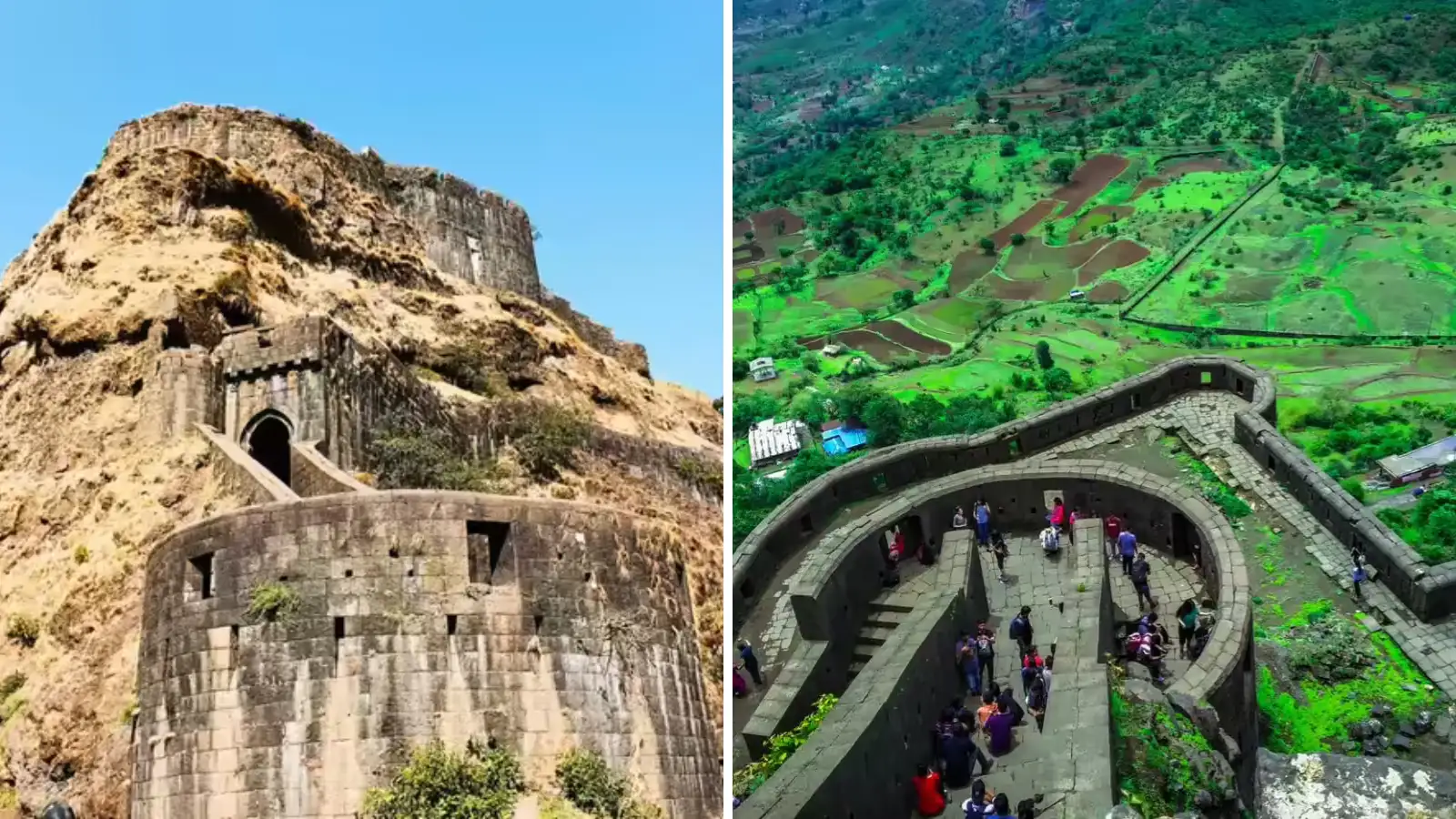
Why Is Lohagad Fort Known As The 'Iron Fort'?
The name Lohagad is derived from two Marathi words - 'Loha', meaning iron, and 'Gad', meaning fort. Together, they translate to 'Iron Fort'.
The fort earned this name because of its exceptionally strong construction and naturally protected location. Rising to an elevation of approximately 3,400 feet (1,033 metres) above sea level, Lohagad was built to endure enemy attacks and withstand the harsh weather conditions of the Western Ghats. Thick basalt stone walls, heavily fortified entrances and steep rocky cliffs made the fortress incredibly difficult to conquer, earning it a reputation for being as resilient as iron.
A Fort With More Than Two Millennia Of History
Lohagad Fort is believed to have existed for over 2,000 years, making it one of the oldest surviving forts in the region. Although its earliest origins remain uncertain, the structure was expanded, repaired and strengthened by several ruling dynasties over different periods.
Throughout its long history, the fort changed hands numerous times. It was ruled by the Satavahanas, Chalukyas, Rashtrakutas, Yadavas, Delhi Sultanate, Bahmani Sultanate, Nizamshahi dynasty and later the Mughals, each contributing to its historical legacy.
Chhatrapati Shivaji Maharaj And Lohagad Fort
One of the most important milestones in the fort's history came in 1648, when Chhatrapati Shivaji Maharaj brought Lohagad under his control.
Recognising its military value, Shivaji Maharaj used the fort to store valuable treasures and strengthen the security of key trade routes connecting the Konkan coast with the Deccan plateau. Its commanding hilltop location offered an excellent vantage point to monitor movement across the surrounding region, making it an important strategic stronghold during the Maratha era.
Vinchu Kata: Lohagad's Most Spectacular Attraction
Among the fort's many highlights, Vinchu Kata remains its most recognisable feature.
This narrow fortified extension stretches dramatically from the main fort and resembles the tail of a scorpion when viewed from above, giving it its unique name. Beyond its striking appearance, Vinchu Kata once served as an important defensive outpost, allowing guards to spot approaching armies well before they reached the fort.
Today, especially during the monsoon season, this scenic stretch is one of the most photographed locations in the Sahyadri range, offering mesmerising views of mist-covered valleys and rolling green hills.
Why Lohagad Fort Is A Favourite Weekend Trek
Another reason behind Lohagad Fort's enduring popularity is its convenient location. Situated around 65 kilometres from Pune and nearly 100 kilometres from Mumbai, it has become one of Maharashtra's favourite weekend travel destinations.
The trek is suitable even for beginners, thanks to its well-built stone staircase that leads visitors almost to the summit. During the rainy season, the entire route comes alive with cascading waterfalls, colourful wildflowers and lush green landscapes, creating one of the state's most memorable monsoon trekking experiences.
Best Time To Visit Lohagad Fort
Although Lohagad welcomes visitors throughout the year, the monsoon season between June and September offers the most spectacular experience. Rain transforms the surrounding Sahyadri hills into a vibrant green paradise, while flowing streams, misty weather and cool mountain air make the climb even more enjoyable.
Travellers looking for pleasant weather, better visibility and less slippery trails may find the winter months equally rewarding.
Why Lohagad Fort Continues To Fascinate Visitors
Lohagad Fort is far more than a popular trekking destination. Its powerful architecture, rich heritage, strategic importance and stunning natural surroundings make it one of Maharashtra's most treasured historical landmarks. Whether you're exploring its ancient gateways, admiring the dramatic Vinchu Kata or simply enjoying panoramic views of the Western Ghats, a visit to the Iron Fort offers a memorable blend of history, adventure and scenic beauty.
Why Is Lohagad Fort Known As The 'Iron Fort'?
The name Lohagad is derived from two Marathi words - 'Loha', meaning iron, and 'Gad', meaning fort. Together, they translate to 'Iron Fort'.
The fort earned this name because of its exceptionally strong construction and naturally protected location. Rising to an elevation of approximately 3,400 feet (1,033 metres) above sea level, Lohagad was built to endure enemy attacks and withstand the harsh weather conditions of the Western Ghats. Thick basalt stone walls, heavily fortified entrances and steep rocky cliffs made the fortress incredibly difficult to conquer, earning it a reputation for being as resilient as iron.
A Fort With More Than Two Millennia Of History
Lohagad Fort is believed to have existed for over 2,000 years, making it one of the oldest surviving forts in the region. Although its earliest origins remain uncertain, the structure was expanded, repaired and strengthened by several ruling dynasties over different periods.
Throughout its long history, the fort changed hands numerous times. It was ruled by the Satavahanas, Chalukyas, Rashtrakutas, Yadavas, Delhi Sultanate, Bahmani Sultanate, Nizamshahi dynasty and later the Mughals, each contributing to its historical legacy.
Chhatrapati Shivaji Maharaj And Lohagad Fort
One of the most important milestones in the fort's history came in 1648, when Chhatrapati Shivaji Maharaj brought Lohagad under his control.
Recognising its military value, Shivaji Maharaj used the fort to store valuable treasures and strengthen the security of key trade routes connecting the Konkan coast with the Deccan plateau. Its commanding hilltop location offered an excellent vantage point to monitor movement across the surrounding region, making it an important strategic stronghold during the Maratha era.
Vinchu Kata: Lohagad's Most Spectacular Attraction
Among the fort's many highlights, Vinchu Kata remains its most recognisable feature.
This narrow fortified extension stretches dramatically from the main fort and resembles the tail of a scorpion when viewed from above, giving it its unique name. Beyond its striking appearance, Vinchu Kata once served as an important defensive outpost, allowing guards to spot approaching armies well before they reached the fort.
You may also like
- Understanding Dharma: Can India's spiritual wisdom heal a fractured world?
- Meet Ashish Kumar Verma: IIT Delhi dropout who joined Microsoft at just 19, became one of the world's youngest Google Developer Experts
- Summer shades, but only bigger
- IndiGo introduces cabin baggage-only fares for passengers
- Where snakes are worshipped: 10 sacred and mysterious snake temples of India every traveller should visit
Today, especially during the monsoon season, this scenic stretch is one of the most photographed locations in the Sahyadri range, offering mesmerising views of mist-covered valleys and rolling green hills.
Why Lohagad Fort Is A Favourite Weekend Trek
Another reason behind Lohagad Fort's enduring popularity is its convenient location. Situated around 65 kilometres from Pune and nearly 100 kilometres from Mumbai, it has become one of Maharashtra's favourite weekend travel destinations.
The trek is suitable even for beginners, thanks to its well-built stone staircase that leads visitors almost to the summit. During the rainy season, the entire route comes alive with cascading waterfalls, colourful wildflowers and lush green landscapes, creating one of the state's most memorable monsoon trekking experiences.
Best Time To Visit Lohagad Fort
Although Lohagad welcomes visitors throughout the year, the monsoon season between June and September offers the most spectacular experience. Rain transforms the surrounding Sahyadri hills into a vibrant green paradise, while flowing streams, misty weather and cool mountain air make the climb even more enjoyable.
Travellers looking for pleasant weather, better visibility and less slippery trails may find the winter months equally rewarding.
Why Lohagad Fort Continues To Fascinate Visitors
Lohagad Fort is far more than a popular trekking destination. Its powerful architecture, rich heritage, strategic importance and stunning natural surroundings make it one of Maharashtra's most treasured historical landmarks. Whether you're exploring its ancient gateways, admiring the dramatic Vinchu Kata or simply enjoying panoramic views of the Western Ghats, a visit to the Iron Fort offers a memorable blend of history, adventure and scenic beauty.






More from our partners


Loving Newspoint? Download the app now
