
Why Nostalgia Is Making a Comeback in Modern Homes, Food and Lifestyle Trends

Walk into a contemporary home today, and you might spot mid-century teak furniture, warm retro colour palettes, or restored vintage tableware. Step into a trendy restaurant, and the menu is just as likely to feature elevated versions of childhood classic dishes, traditional baked treats, or old-school sodas. From how we furnish our living rooms to what we choose for dinner, a powerful wave of nostalgia is quietly shaping our modern consumer choices.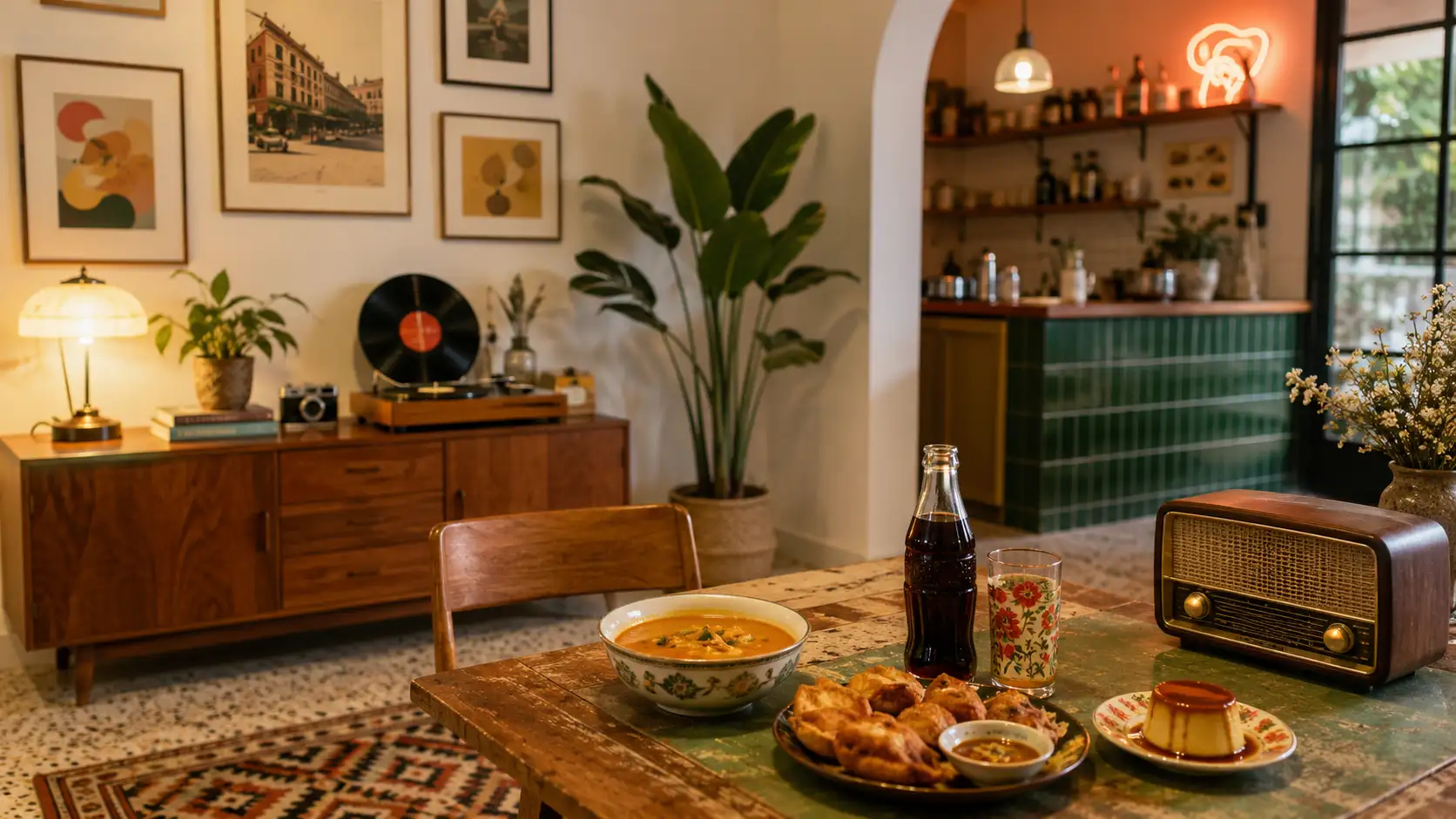
This longing for the past is far more than a passing aesthetic trend. It is a psychological response to an increasingly fast-paced, unpredictable digital world, offering a grounding sense of comfort, identity, and emotional stability.
Sensory triggers play a massive role in this phenomenon. Our brains associate specific textures, visual designs, tastes, and aromas with feelings of safety and warmth from earlier years. By bringing elements of the past into our daily routines, we create an environment that feels emotionally secure, familiar, and personal.
Design styles from the 1970s, 80s, and 90s such as rich timber tones, terrazzo tiles, and soft, warm lighting are making a major comeback in contemporary homes. Blending old heirlooms with modern functional pieces allows homeowners to build unique spaces that tell a personal story, offering an inviting refuge from the sterile nature of modern technology.
People are actively seeking out dishes that evoke memories of family gatherings, school holidays, or traditional home cooking. Food brands and restaurants are responding by updating classic recipes, reimagining childhood desserts with quality ingredients, bringing back retro beverages, or serving regional heritage meals. Because taste and smell are directly linked to memory centres in the brain, enjoying a familiar flavour offers an instant, uplifting sense of connection.
By thoughtfully incorporating nostalgic elements into our homes and dining habits, we retain a comforting connection to our personal roots while moving confidently into the future.
This longing for the past is far more than a passing aesthetic trend. It is a psychological response to an increasingly fast-paced, unpredictable digital world, offering a grounding sense of comfort, identity, and emotional stability.
The Psychology Behind Looking Back
Psychologists have long noted that nostalgia acts as a natural emotional buffer during times of rapid change or social uncertainty. When the present feels overwhelming or overly complex, looking back at simpler times provides instant comfort.Sensory triggers play a massive role in this phenomenon. Our brains associate specific textures, visual designs, tastes, and aromas with feelings of safety and warmth from earlier years. By bringing elements of the past into our daily routines, we create an environment that feels emotionally secure, familiar, and personal.
Nostalgia in Home Décor: Creating Emotional Spaces
In interior design, the rise of nostalgia is evident in the shift away from stark, minimalist, factory-made spaces toward warm, character-rich interiors. People are increasingly seeking out vintage furniture, antique decorative accents, and traditional craftsmanship.You may also like
- Friendship Day Weekend Escapes: 5 Monsoon Getaways Near Mumbai to Make Memories With Your Gang
- Can cruise tourism be India's next big growth driver?
- The new luxury home is not about more: It's about living better
- Quote of the day by Vincent van Gogh: “Art is to console those who are broken by life.”
- JJ Valaya's SIDDI was a love letter to heritage, craft and timeless couture
Design styles from the 1970s, 80s, and 90s such as rich timber tones, terrazzo tiles, and soft, warm lighting are making a major comeback in contemporary homes. Blending old heirlooms with modern functional pieces allows homeowners to build unique spaces that tell a personal story, offering an inviting refuge from the sterile nature of modern technology.
Nostalgia on the Plate: Reconnecting Through Flavour
The food and beverage industry is experiencing a parallel shift. While culinary innovation continues, consumer demand for comfort foods rooted in tradition has soared.People are actively seeking out dishes that evoke memories of family gatherings, school holidays, or traditional home cooking. Food brands and restaurants are responding by updating classic recipes, reimagining childhood desserts with quality ingredients, bringing back retro beverages, or serving regional heritage meals. Because taste and smell are directly linked to memory centres in the brain, enjoying a familiar flavour offers an instant, uplifting sense of connection.
Balancing Nostalgia with Modern Living
The modern appeal of nostalgia does not mean society wants to abandon technological progress or live entirely in the past. Instead, it represents a desire for balance. We want the convenience of modern living, but we also crave the soulful, tactile qualities of earlier eras.By thoughtfully incorporating nostalgic elements into our homes and dining habits, we retain a comforting connection to our personal roots while moving confidently into the future.






Loving Newspoint? Download the app now
