
Why Owls Rotate Their Heads So Widely And The Fascinating Science Behind This Unusual Ability

Owls are among the most distinctive birds in the natural world, and one of their best-known traits is the dramatic way they turn their heads. It can look as though an owl is spinning its head all the way around, but that is not actually true. Owls do not rotate their heads 360 degrees. Instead, they can turn them by roughly 270 degrees, which is still far more than humans or most other birds can manage. This unusual movement is not simply a curious feature. It is a practical adaptation linked to the way owls see, hunt and stay aware of danger. Because their eyes do not move freely in the way human eyes do, owls depend on neck rotation to scan the world around them. That ability helps make them such effective hunters, especially in dim light and quiet surroundings.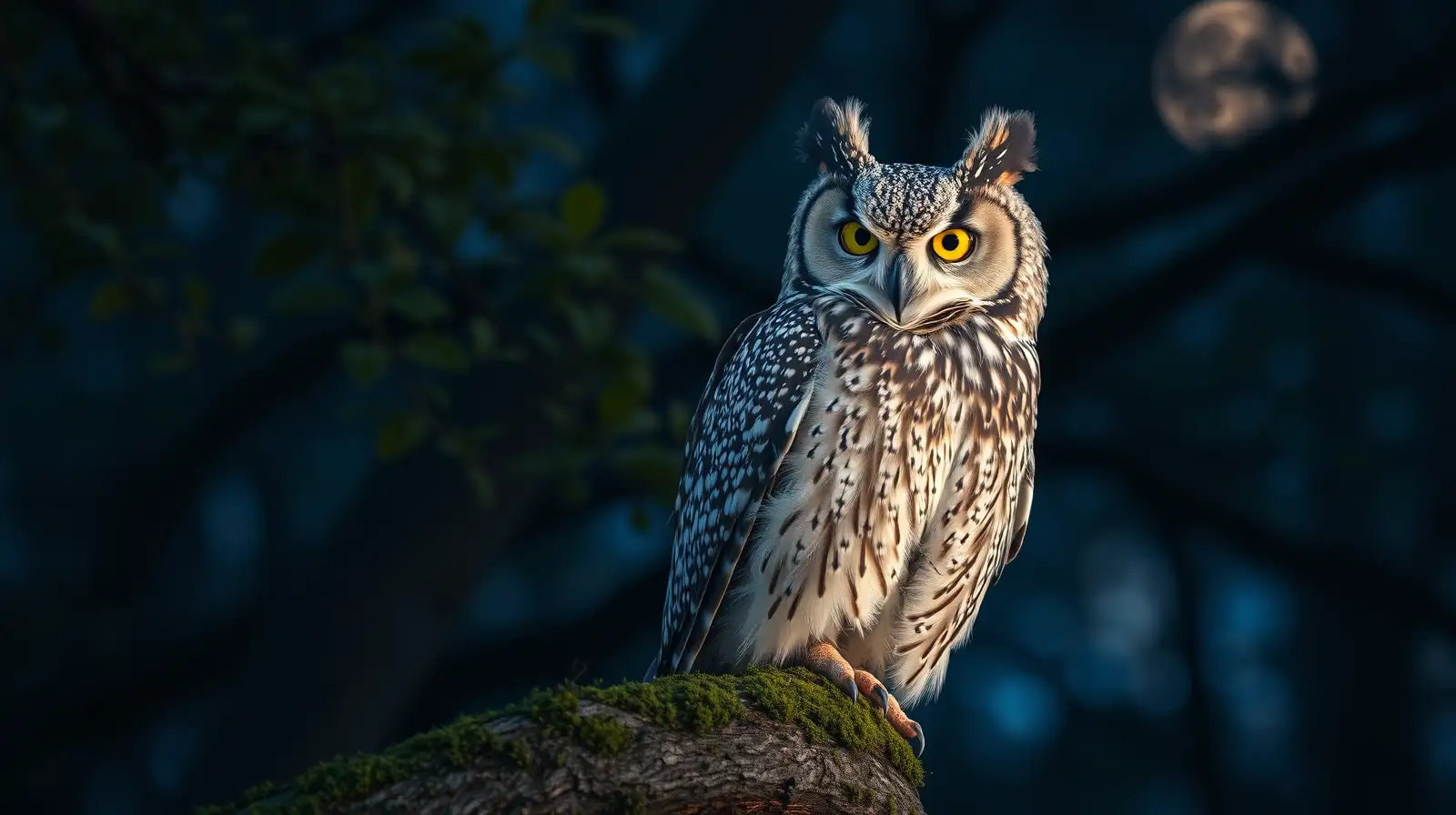
However, there is a trade-off. Because the eyes are held firmly in place, owls cannot shift their gaze from side to side the way humans can. If they want to look in another direction, they must turn their whole head instead. That is why owl vision facts and owl head rotation are so closely connected.
This specialised owl neck anatomy means they can look behind, above or to the side without moving the rest of the body much at all. That is especially useful when an owl is perched and trying to stay still while listening for prey.
So while owl head rotation may look extraordinary, it is simply one of nature’s clever solutions. It allows these birds to overcome the limits of fixed eyes and stay among the most skilled hunters in the bird world.
Their Eyes Stay Mostly Fixed In Place
The main reason behind owl head rotation is the structure of their eyes. Owl eyes are very large in relation to their skull and are shaped more like tubes than round eyeballs. This gives them excellent forward vision and helps them gather light efficiently, which is especially useful for hunting at dawn, dusk or during the night.However, there is a trade-off. Because the eyes are held firmly in place, owls cannot shift their gaze from side to side the way humans can. If they want to look in another direction, they must turn their whole head instead. That is why owl vision facts and owl head rotation are so closely connected.
You may also like
- Traditional Pregnancy Diets Around the World: Surprising Foods Expecting Mothers Eat
- Essential Tips for Newborn Care: Ensuring Safety and Comfort
- Understanding How Weather Influences Our Emotions
- Amarnath Yatra 2023: Fixed Transport Fares for Pilgrims
- Special Train Service by Indian Railways: Jodhpur to Chennai
Their Necks Are Built For Greater Flexibility
Owls are also physically equipped for this movement. Humans have 7 neck vertebrae, but owls have 14. That larger number gives them a much wider range of motion and allows the neck to bend and rotate far more freely.This specialised owl neck anatomy means they can look behind, above or to the side without moving the rest of the body much at all. That is especially useful when an owl is perched and trying to stay still while listening for prey.
Their Bodies Help Protect Blood Flow During Turning
A sharp head turn could be risky if blood vessels were compressed during movement, but owls have structural adaptations that reduce that problem. Their blood vessels and neck passages are arranged in ways that help maintain blood supply to the brain even during wide rotation. This makes the movement safer and more efficient.A Survival Tool, Not Just A Strange Habit
Why owls turn their heads so widely ultimately comes down to survival. They need to track movement, judge distance and remain alert without constantly shifting their bodies. A quiet body paired with a highly mobile head helps them hunt with precision and avoid drawing attention.So while owl head rotation may look extraordinary, it is simply one of nature’s clever solutions. It allows these birds to overcome the limits of fixed eyes and stay among the most skilled hunters in the bird world.






More from our partners


Loving Newspoint? Download the app now
