
Why Penguins Can't Fly: Amazing Facts Behind Their Evolution

Penguins may look like typical birds, but they have one surprising difference, they cannot fly. While this might seem unusual, it is actually one of the reasons they thrive in some of the world's harshest environments. Over millions of years, penguins evolved to become exceptional swimmers rather than airborne birds. Their bodies are specially designed for life in the water, allowing them to catch prey with remarkable speed and efficiency. Here's why penguins traded the skies for the sea.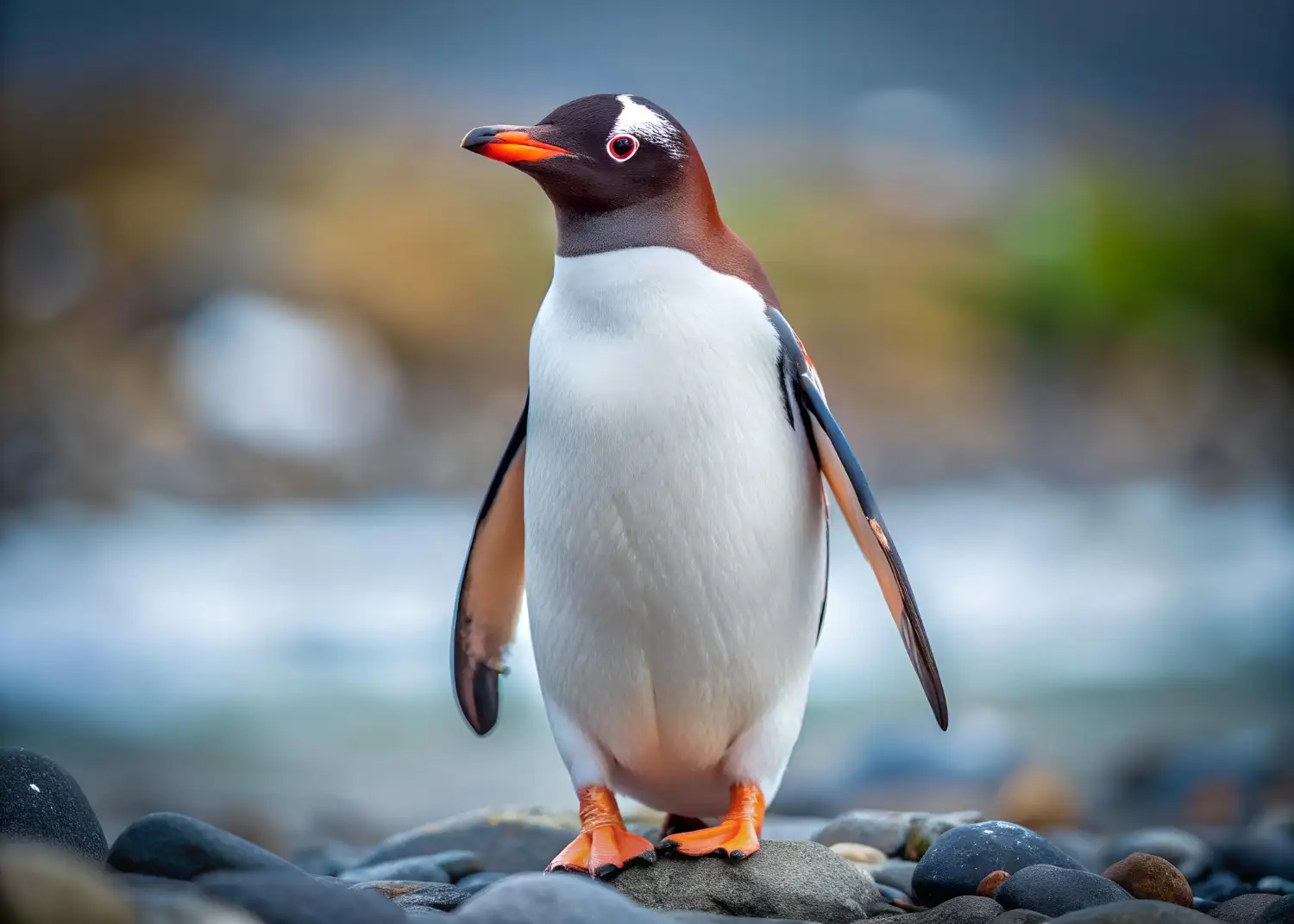
Built for Swimming, Not Flying
Penguins have evolved streamlined bodies that reduce water resistance, helping them glide through the ocean with ease. Their dense bones and compact shape make them excellent divers but too heavy for powered flight. Unlike flying birds, penguins are designed to move efficiently underwater rather than through the air.
Their Wings Became Powerful Flippers
Instead of broad, flexible wings used for flying, penguins have short, stiff flippers. These flippers act like underwater propellers, generating strong thrust with every stroke. This unique adaptation allows penguins to "fly" through water while chasing fish, squid, and krill.
Dense Bones Help Them Dive
Most flying birds have lightweight, hollow bones that make flight easier. Penguins, however, have denser and heavier bones. This extra weight helps reduce buoyancy, making it easier for them to dive deep and remain underwater while searching for food.
Strong Muscles Support Underwater Movement
Penguins have powerful chest and shoulder muscles that drive their flippers through the water. These muscles provide the strength needed for fast swimming and quick direction changes, but they are adapted for aquatic movement rather than lifting the bird into the air.
Waterproof Feathers Improve Efficiency
A penguin's feathers are tightly packed and coated with natural oils, creating a waterproof layer that keeps the bird warm in icy waters. The smooth feather surface also reduces drag, helping penguins swim more efficiently. This feather structure is very different from that of birds adapted primarily for flight.
Energy Is Better Spent in the Ocean
Flying requires enormous amounts of energy, especially for larger-bodied birds. Penguins evolved in environments where food was abundant in the sea, making swimming a more efficient way to hunt. Natural selection favored traits that improved diving and underwater speed instead of flight.
Excellent Divers with Impressive Speed
Many penguin species can dive for several minutes and reach impressive depths while hunting. Their streamlined bodies, strong flippers, and efficient oxygen use make them highly skilled underwater predators. These adaptations would not be possible if their bodies were optimized for flight.
Evolution Shaped Their Unique Lifestyle
Penguins descended from flying ancestors, but over millions of years, their wings gradually transformed into flippers as they adapted to marine life. As swimming became more important for survival, the ability to fly was lost. Evolution favored the traits that best suited their environment.
Life on Land Requires Different Strategies
Although they cannot fly, penguins move efficiently on land by waddling, hopping over rocky terrain, or sliding on their bellies across snow and ice, a behavior known as tobogganing. These methods help them conserve energy while traveling between nesting sites and the sea.
Flight Wasn't Necessary for Survival
Penguins evolved in regions where becoming stronger swimmers offered greater survival benefits than remaining capable of flight. Their remarkable adaptations allow them to thrive in marine environments, making them one of nature's most successful examples of evolutionary specialization.
Penguins cannot fly because evolution reshaped them into expert swimmers. Their flipper-like wings, dense bones, streamlined bodies, and powerful muscles are all perfectly suited for underwater hunting rather than flight. Although they gave up life in the skies, penguins gained extraordinary abilities beneath the waves, proving that success in nature comes from adapting to the environment rather than following a single path.
Built for Swimming, Not Flying
Penguins have evolved streamlined bodies that reduce water resistance, helping them glide through the ocean with ease. Their dense bones and compact shape make them excellent divers but too heavy for powered flight. Unlike flying birds, penguins are designed to move efficiently underwater rather than through the air. Their Wings Became Powerful Flippers
Instead of broad, flexible wings used for flying, penguins have short, stiff flippers. These flippers act like underwater propellers, generating strong thrust with every stroke. This unique adaptation allows penguins to "fly" through water while chasing fish, squid, and krill.Dense Bones Help Them Dive
Most flying birds have lightweight, hollow bones that make flight easier. Penguins, however, have denser and heavier bones. This extra weight helps reduce buoyancy, making it easier for them to dive deep and remain underwater while searching for food. Strong Muscles Support Underwater Movement
Penguins have powerful chest and shoulder muscles that drive their flippers through the water. These muscles provide the strength needed for fast swimming and quick direction changes, but they are adapted for aquatic movement rather than lifting the bird into the air.You may also like
- How Bollywood's women grew up with India
- PMGKAY Scheme: Good news for ration card holders; government takes a major decision regarding rice quality..
- Amarnath Yatra 2026 begins today; find out the full details here—which route to take and what to carry..
- Devotees heading for the Amarnath Yatra will have access to free bus and taxi services around the clock, starting at 5 AM..
- Administration issues advisory for Amarnath Yatra 2026; arriving without registration could lead to difficulties..
Waterproof Feathers Improve Efficiency
A penguin's feathers are tightly packed and coated with natural oils, creating a waterproof layer that keeps the bird warm in icy waters. The smooth feather surface also reduces drag, helping penguins swim more efficiently. This feather structure is very different from that of birds adapted primarily for flight. Energy Is Better Spent in the Ocean
Flying requires enormous amounts of energy, especially for larger-bodied birds. Penguins evolved in environments where food was abundant in the sea, making swimming a more efficient way to hunt. Natural selection favored traits that improved diving and underwater speed instead of flight. Excellent Divers with Impressive Speed
Many penguin species can dive for several minutes and reach impressive depths while hunting. Their streamlined bodies, strong flippers, and efficient oxygen use make them highly skilled underwater predators. These adaptations would not be possible if their bodies were optimized for flight. Evolution Shaped Their Unique Lifestyle
Penguins descended from flying ancestors, but over millions of years, their wings gradually transformed into flippers as they adapted to marine life. As swimming became more important for survival, the ability to fly was lost. Evolution favored the traits that best suited their environment.Life on Land Requires Different Strategies
Although they cannot fly, penguins move efficiently on land by waddling, hopping over rocky terrain, or sliding on their bellies across snow and ice, a behavior known as tobogganing. These methods help them conserve energy while traveling between nesting sites and the sea. Flight Wasn't Necessary for Survival
Penguins evolved in regions where becoming stronger swimmers offered greater survival benefits than remaining capable of flight. Their remarkable adaptations allow them to thrive in marine environments, making them one of nature's most successful examples of evolutionary specialization. Penguins cannot fly because evolution reshaped them into expert swimmers. Their flipper-like wings, dense bones, streamlined bodies, and powerful muscles are all perfectly suited for underwater hunting rather than flight. Although they gave up life in the skies, penguins gained extraordinary abilities beneath the waves, proving that success in nature comes from adapting to the environment rather than following a single path.






More from our partners


Loving Newspoint? Download the app now
