
Why Pigeons Prefer Walking Over Flying: The Real Urban Survival Reason

Have you ever wondered why pigeons prefer walking over flying even when people come very close to them? This unusual behavior is common in cities, where pigeons often move calmly on the ground instead of flying away. The reason behind why pigeons prefer walking over flying is not laziness, but a smart survival adaptation shaped by urban life, food availability, and reduced fear of humans.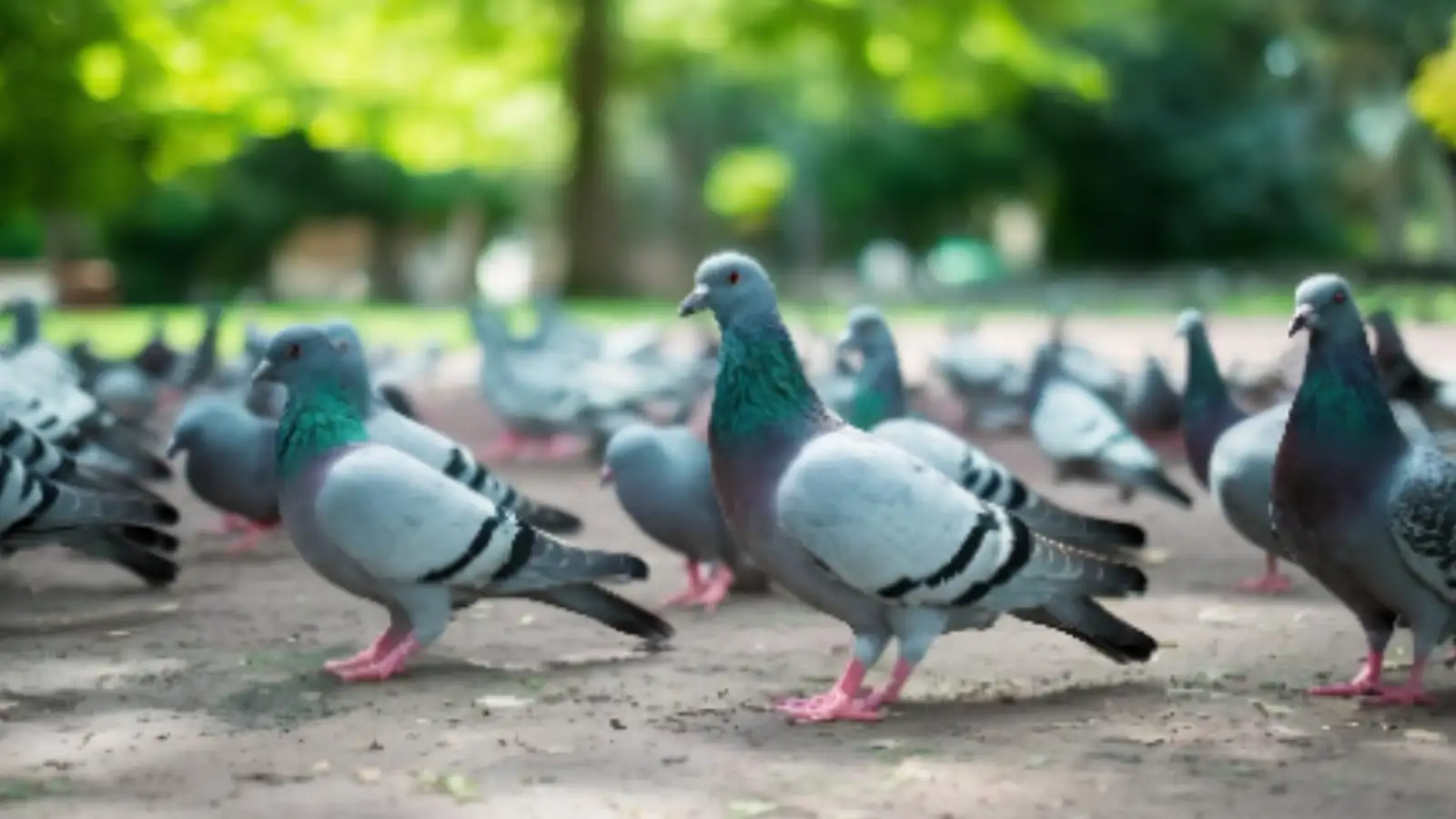
Pigeons Have Adapted to City Life
City environments are very different from natural habitats. Over many generations, pigeons living in urban areas have adjusted their instincts to match the rhythm of human activity.
In cities, they constantly see people walking around them without harm. Because of this repeated experience, pigeons no longer treat humans as immediate threats. Instead, they consider human movement as a normal part of their environment.
This long-term adaptation has made them calmer, more confident, and less likely to take flight unnecessarily.
Walking Saves More Energy Than Flying
One of the biggest reasons pigeons prefer walking is energy conservation.
Flying may look easy, but it actually requires a lot of energy. For urban pigeons, food is usually available nearby - on streets, in garbage bins, or from people feeding them.
So instead of wasting energy by flying from place to place, pigeons choose the smarter option: walking.
This helps them:
In simple terms, walking is the “low-cost” option in a city where everything they need is close by.
Humans Have Changed Pigeon Behaviour
Another important reason behind this behaviour is human influence.
In many cities, people do not chase pigeons away. Some even feed them regularly. Over time, pigeons started linking humans with food rather than danger.
This completely changed their natural response system. Instead of fear, they developed curiosity and comfort around humans. In a way, human behaviour has unintentionally trained pigeons to feel safe in crowded urban spaces.
Urban Food Sources Reduce the Need to Fly
Food availability plays a major role in pigeon behaviour.
Cities provide a constant supply of food scraps and leftovers. Because pigeons can find food almost everywhere on the ground, they do not need to fly long distances to survive.
This easy access encourages them to:
When survival becomes easier, energy-heavy actions like flying become less frequent.
Pigeons Are Smart Risk Assessors
Pigeons are not careless birds. They constantly observe their surroundings and make quick decisions based on risk.
If they sense danger - like a sudden movement or a chasing person—they immediately fly away. But if everything feels safe, they continue walking calmly.
This shows that pigeons:
Their behaviour is based on smart survival logic, not randomness.
What This Behaviour Tells Us About Cities
The way pigeons behave reveals something deeper about urban life itself.
Cities are environments where animals and humans continuously influence each other. Species that adapt successfully survive, while others struggle.
Pigeons are one of the best examples of urban adaptation. Their calm walking behaviour shows how wildlife can slowly adjust to human-dominated environments. In many ways, pigeons have become part of the city ecosystem - not just visitors in it.
The reason why pigeons prefer walking over flying comes down to adaptation, energy saving, food availability, and reduced fear of humans. Over time, these factors have reshaped their natural instincts and made them one of the most successful urban birds in the world.
What looks like a simple street moment is actually a powerful example of how nature quietly evolves alongside human civilization.
Pigeons Have Adapted to City Life
City environments are very different from natural habitats. Over many generations, pigeons living in urban areas have adjusted their instincts to match the rhythm of human activity.
In cities, they constantly see people walking around them without harm. Because of this repeated experience, pigeons no longer treat humans as immediate threats. Instead, they consider human movement as a normal part of their environment.
This long-term adaptation has made them calmer, more confident, and less likely to take flight unnecessarily.
Walking Saves More Energy Than Flying
One of the biggest reasons pigeons prefer walking is energy conservation.
Flying may look easy, but it actually requires a lot of energy. For urban pigeons, food is usually available nearby - on streets, in garbage bins, or from people feeding them.
So instead of wasting energy by flying from place to place, pigeons choose the smarter option: walking.
This helps them:
- Save energy for longer survival
- Stay active for food searching
- Avoid unnecessary physical stress
In simple terms, walking is the “low-cost” option in a city where everything they need is close by.
Humans Have Changed Pigeon Behaviour
Another important reason behind this behaviour is human influence.
In many cities, people do not chase pigeons away. Some even feed them regularly. Over time, pigeons started linking humans with food rather than danger.
This completely changed their natural response system. Instead of fear, they developed curiosity and comfort around humans. In a way, human behaviour has unintentionally trained pigeons to feel safe in crowded urban spaces.
Urban Food Sources Reduce the Need to Fly
Food availability plays a major role in pigeon behaviour.
Cities provide a constant supply of food scraps and leftovers. Because pigeons can find food almost everywhere on the ground, they do not need to fly long distances to survive.
This easy access encourages them to:
- Stay in one area longer
- Move slowly while searching
- Depend less on flying for survival
When survival becomes easier, energy-heavy actions like flying become less frequent.
Pigeons Are Smart Risk Assessors
Pigeons are not careless birds. They constantly observe their surroundings and make quick decisions based on risk.
If they sense danger - like a sudden movement or a chasing person—they immediately fly away. But if everything feels safe, they continue walking calmly.
This shows that pigeons:
- Assess human behaviour carefully
- React only when necessary
- Avoid wasting energy on false alarms
Their behaviour is based on smart survival logic, not randomness.
What This Behaviour Tells Us About Cities
The way pigeons behave reveals something deeper about urban life itself.
Cities are environments where animals and humans continuously influence each other. Species that adapt successfully survive, while others struggle.
Pigeons are one of the best examples of urban adaptation. Their calm walking behaviour shows how wildlife can slowly adjust to human-dominated environments. In many ways, pigeons have become part of the city ecosystem - not just visitors in it.
The reason why pigeons prefer walking over flying comes down to adaptation, energy saving, food availability, and reduced fear of humans. Over time, these factors have reshaped their natural instincts and made them one of the most successful urban birds in the world.
What looks like a simple street moment is actually a powerful example of how nature quietly evolves alongside human civilization.
Next Story