
Why Do Rivers Change Their Course? Fascinating Facts You Should Know

Rivers may seem permanent, but they are constantly changing. Over years, decades, or even centuries, many rivers gradually shift their paths, carving new channels and abandoning old ones. Some changes happen slowly through natural erosion, while others occur suddenly during major floods. These shifts have shaped landscapes, influenced civilizations, and continue to transform the Earth today. Here's why rivers don't always stay in the same place.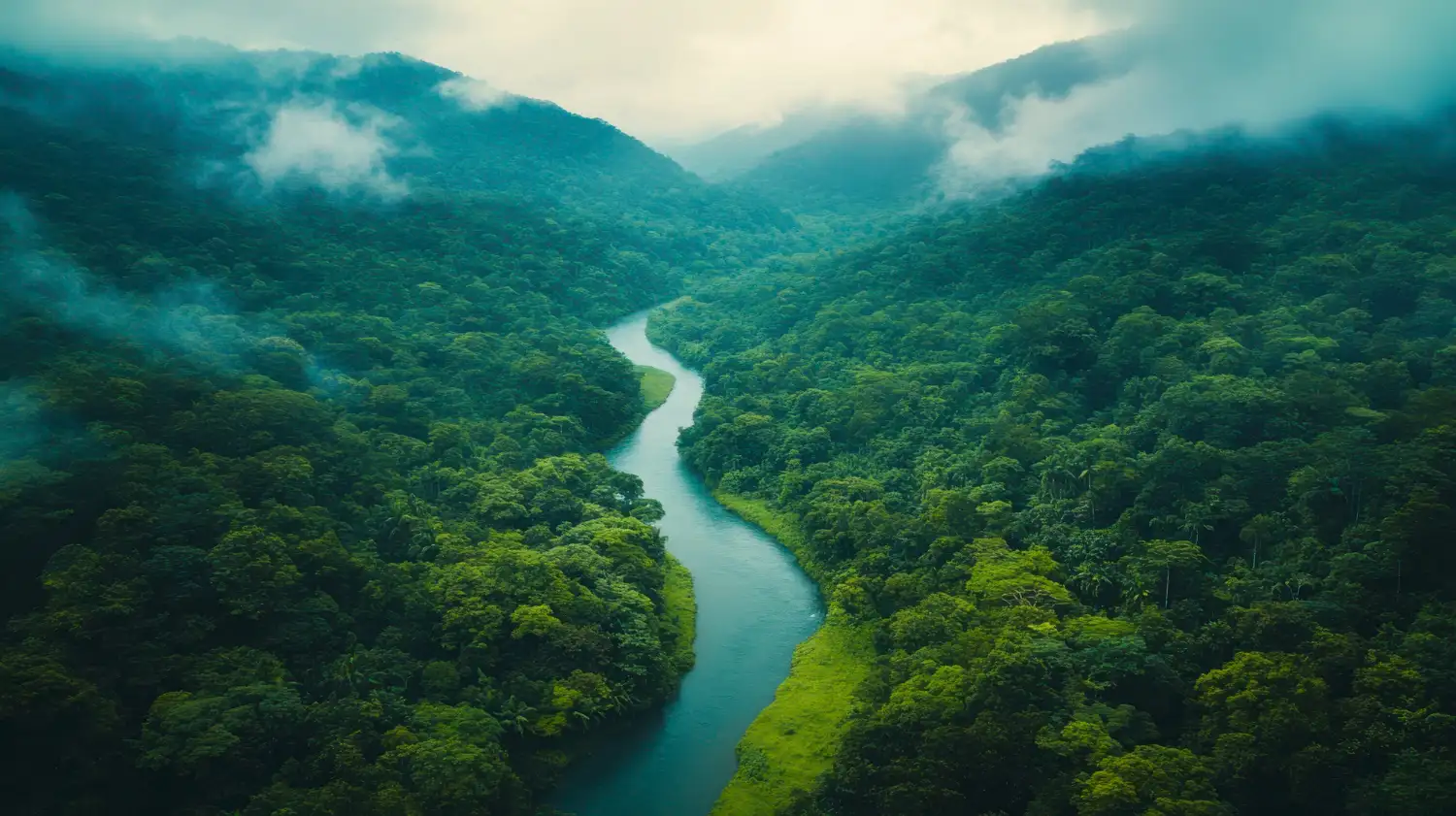
Rivers Are Always Shaping the Land
A river is more than flowing water, it is a powerful force that continuously reshapes the ground beneath it. As water moves downstream, it erodes soil, sand, and rock from some areas while depositing sediment in others. This ongoing process slowly alters the river's channel, causing it to migrate across the landscape over time.
Erosion Wears Away River Banks
One of the biggest reasons rivers change course is erosion. Fast-moving water wears away the outer banks of bends, gradually making the curves larger. At the same time, slower-moving water on the inside of bends deposits sediment. This combination causes the river to slowly shift sideways, creating winding channels known as meanders.
Sediment Builds New Pathways
Rivers carry enormous amounts of sand, silt, gravel, and clay. When the flow slows, these materials settle on the riverbed or along the banks. Over time, sediment can partially block sections of a channel, making it easier for the river to establish a new channel where flowing conditions become more favorable.
Floods Can Trigger Sudden Changes
While many changes occur gradually, major floods can dramatically alter a river in just hours or days. During extreme floods, water may overflow its banks and cut through lower ground nearby, creating an entirely new channel. This process, called an avulsion, allows the river to abandon part of its former course.
The Landscape Influences River Direction
The shape of the land strongly affects where a river flows. Natural features such as hills, valleys, rock formations, and floodplains guide its path. Geological processes, including earthquakes or slow uplift of the Earth's crust, can also alter the slope of the land, encouraging rivers to find new routes.
Plants Play an Important Role
Vegetation helps stabilize riverbanks by holding soil together with its roots. When forests or grasses are removed, banks become more vulnerable to erosion, allowing rivers to shift more easily. In contrast, healthy vegetation can slow the rate at which a river changes course by reducing erosion along its edges.
Human Activities Can Redirect Rivers
People also influence river channels. Dams, levees, canals, bridges, and riverbank engineering projects can alter water flow and sediment movement. Urban development and deforestation may increase runoff and erosion, while river channelization can temporarily confine water to straighter paths, although rivers may continue adjusting over time if not continually managed.
Changing Rivers Create New Landscapes
As rivers migrate, they leave behind distinctive landforms. Cut-off bends can become crescent-shaped lakes known as oxbow lakes, while repeated flooding deposits fertile sediment across floodplains. These processes create rich habitats for wildlife and productive agricultural land, making river valleys among the most fertile regions on Earth.
Climate Can Influence River Movement
Long-term changes in climate affect rainfall, snowmelt, and the frequency of extreme floods. Changes in rainfall patterns, snowmelt, and the frequency of extreme floods can increase erosion and sediment transport, while prolonged droughts may reduce river flow and change how sediment is deposited. Over long timescales, these factors contribute to the gradual evolution of river channels.
Rivers Are Constantly Evolving
Over long enough timescales, virtually all natural rivers undergo some degree of change. Some shift only a few centimeters each year, while others undergo dramatic changes after powerful floods. Together, erosion, sediment deposition , floods, geology, vegetation, climate, and human activities ensure that rivers remain dynamic systems, continually reshaping both the landscapes they cross and the ecosystems that depend on them.
Rivers are living landscapes in motion rather than fixed features on a map. Their changing courses are driven by natural forces that have been shaping the Earth for millions of years. Understanding why rivers move not only explains the scenery around us but also helps communities better manage flooding, protect ecosystems, and plan for a changing environment.
Rivers Are Always Shaping the Land
A river is more than flowing water, it is a powerful force that continuously reshapes the ground beneath it. As water moves downstream, it erodes soil, sand, and rock from some areas while depositing sediment in others. This ongoing process slowly alters the river's channel, causing it to migrate across the landscape over time. Erosion Wears Away River Banks
One of the biggest reasons rivers change course is erosion. Fast-moving water wears away the outer banks of bends, gradually making the curves larger. At the same time, slower-moving water on the inside of bends deposits sediment. This combination causes the river to slowly shift sideways, creating winding channels known as meanders.Sediment Builds New Pathways
Rivers carry enormous amounts of sand, silt, gravel, and clay. When the flow slows, these materials settle on the riverbed or along the banks. Over time, sediment can partially block sections of a channel, making it easier for the river to establish a new channel where flowing conditions become more favorable. Floods Can Trigger Sudden Changes
While many changes occur gradually, major floods can dramatically alter a river in just hours or days. During extreme floods, water may overflow its banks and cut through lower ground nearby, creating an entirely new channel. This process, called an avulsion, allows the river to abandon part of its former course.You may also like
- The Dalai Lama at 91: What Compassion Now Requires
- Is a baby King Cobra (cobra hatchling) venomous? Here's what to do if one turns up in your home and garden
- Gyan Mudra Yoga: When the Hand Becomes a Teacher
- Taylor Swift and Travis Kelce's Wedding Festivities Set for Madison Square Garden
- Enrolments open for TOI's AI master class designed to prepare children for an AI-driven future
The Landscape Influences River Direction
The shape of the land strongly affects where a river flows. Natural features such as hills, valleys, rock formations, and floodplains guide its path. Geological processes, including earthquakes or slow uplift of the Earth's crust, can also alter the slope of the land, encouraging rivers to find new routes. Plants Play an Important Role
Vegetation helps stabilize riverbanks by holding soil together with its roots. When forests or grasses are removed, banks become more vulnerable to erosion, allowing rivers to shift more easily. In contrast, healthy vegetation can slow the rate at which a river changes course by reducing erosion along its edges. Human Activities Can Redirect Rivers
People also influence river channels. Dams, levees, canals, bridges, and riverbank engineering projects can alter water flow and sediment movement. Urban development and deforestation may increase runoff and erosion, while river channelization can temporarily confine water to straighter paths, although rivers may continue adjusting over time if not continually managed. Changing Rivers Create New Landscapes
As rivers migrate, they leave behind distinctive landforms. Cut-off bends can become crescent-shaped lakes known as oxbow lakes, while repeated flooding deposits fertile sediment across floodplains. These processes create rich habitats for wildlife and productive agricultural land, making river valleys among the most fertile regions on Earth.Climate Can Influence River Movement
Long-term changes in climate affect rainfall, snowmelt, and the frequency of extreme floods. Changes in rainfall patterns, snowmelt, and the frequency of extreme floods can increase erosion and sediment transport, while prolonged droughts may reduce river flow and change how sediment is deposited. Over long timescales, these factors contribute to the gradual evolution of river channels. Rivers Are Constantly Evolving
Over long enough timescales, virtually all natural rivers undergo some degree of change. Some shift only a few centimeters each year, while others undergo dramatic changes after powerful floods. Together, erosion, sediment deposition , floods, geology, vegetation, climate, and human activities ensure that rivers remain dynamic systems, continually reshaping both the landscapes they cross and the ecosystems that depend on them. Rivers are living landscapes in motion rather than fixed features on a map. Their changing courses are driven by natural forces that have been shaping the Earth for millions of years. Understanding why rivers move not only explains the scenery around us but also helps communities better manage flooding, protect ecosystems, and plan for a changing environment.






More from our partners


Loving Newspoint? Download the app now
