
Why Snakes Suddenly Start Showing Up During The Monsoon And Everyday Habits That Could Be Inviting Them In

The first few weeks of the monsoon are almost always accompanied by another familiar sight, viral videos of snakes being rescued from homes. One day it's a cobra curled up inside a shoe rack; the next, it's a rat snake hiding behind a washing machine. For many people, these clips spark panic and one big question: Why does this happen every rainy season?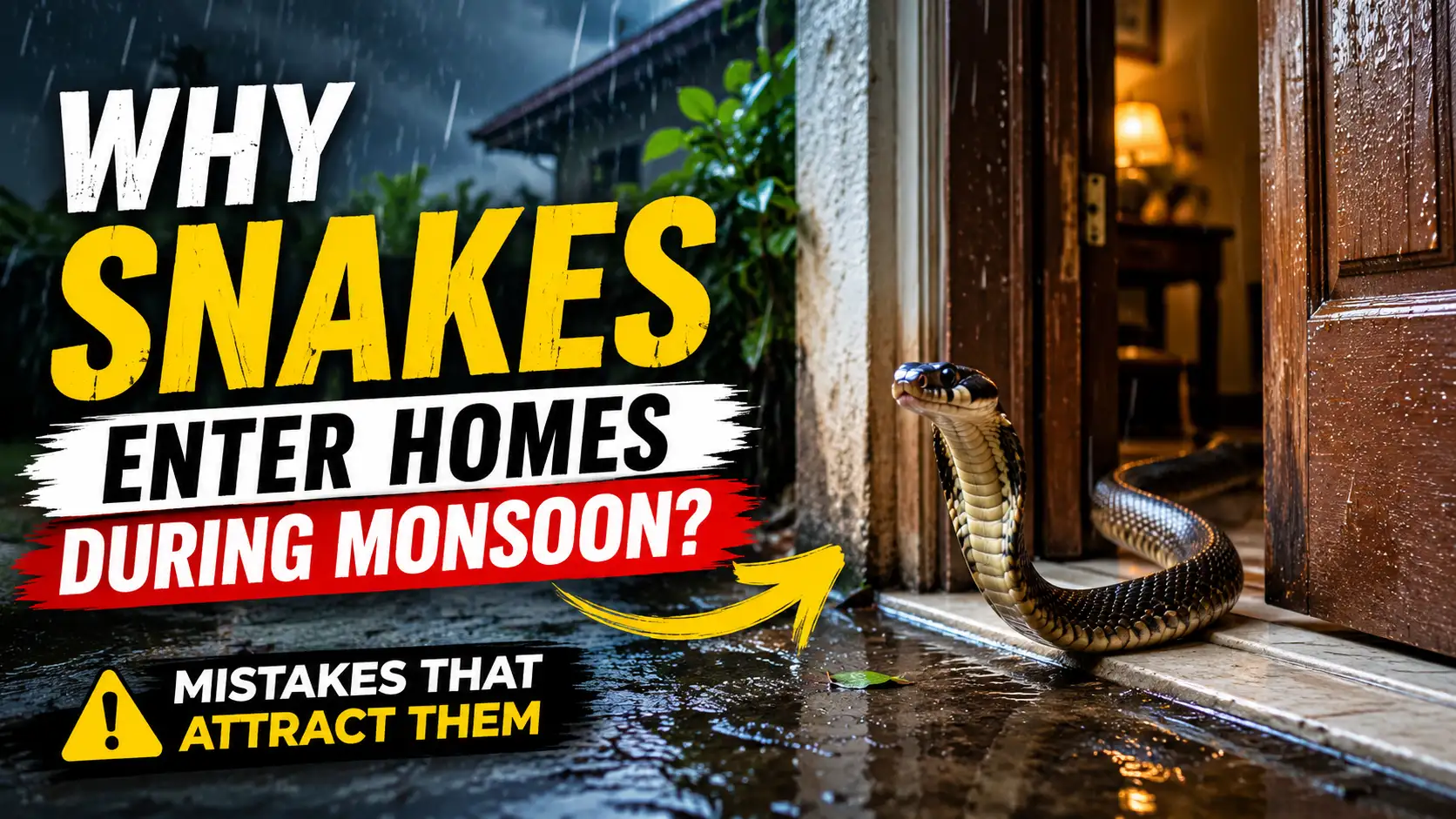
The answer is surprisingly simple.
According to experts, snakes don't spend the monsoon searching for houses to enter. In fact, they'd much rather stay away from people. But when heavy rain floods their burrows, fields and natural hiding places, they have no choice but to move. And in that search for dry ground, warmth and food, they sometimes end up where humans live. The good news? Many snake visits can actually be prevented by making a few simple changes around the house.
A lush garden looks beautiful after the rains, but to a snake, it's also the perfect hiding place. Tall grass, thick shrubs, piles of leaves and neglected corners stay cool and damp throughout the day. These spots provide excellent cover from predators and people alike. If your backyard hasn't been cleaned in a while, it can quickly become an ideal resting place for wildlife. Regularly trimming plants and clearing leaf litter doesn't just improve the appearance of your home; it removes places where snakes can disappear without being noticed.
Almost every home has one corner where old flower pots, wooden planks, bricks or unused construction material quietly pile up. Unfortunately, these dark, undisturbed spaces are exactly what snakes look for when they're trying to stay dry during the rains. Even something as simple as an old tyre or stacked firewood can become temporary shelter. Cleaning up outdoor clutter is one of the easiest ways to reduce the chances of an unexpected visitor.
Sometimes the Real Problem Isn't the Snake; It's the Rats
According to experts, here is something many people don't realise. Snakes don't come looking for humans. They follow food. If rats and mice have found their way into your home because grain is left uncovered, garbage isn't disposed of properly or pet food is kept outside overnight, snakes may eventually follow the same trail. Keeping rodents away often solves the bigger problem before it even begins.
People often imagine snakes squeezing through large openings, but many species need surprisingly little space. A gap under the main door, a broken drain cover, cracks near pipes or damaged window mesh can all become entry points. During heavy rainfall, snakes are simply looking for a dry place to escape the water, and these small openings can lead them straight indoors. A quick inspection around the house before peak monsoon can prevent a lot of unwanted surprises.
Monsoon puddles are easy to ignore, especially if they disappear after a day or two. But stagnant water attracts frogs, insects and rodents, all common prey for snakes. In other words, water doesn't draw snakes directly; it attracts the animals they feed on. Making sure drains aren't clogged and fixing leaks around the property can help break this chain.
Open Doors Can Become an Easy Entry
On humid evenings, it's common to leave the back door or balcony open for fresh air. If your home is close to fields, gardens or vacant plots, a wandering snake could accidentally slip inside while looking for shelter. It isn't trying to enter your home specifically; it simply follows the easiest available path. Installing mesh doors or checking entrances before bedtime is a simple precaution that's often overlooked.
The Biggest Mistake Happens After Spotting One
Perhaps the most dangerous moment isn't when a snake enters the house; it's what people do next. Many snake bites happen because someone tries to catch it with a stick, corner it or kill it. A frightened snake is far more likely to defend itself. Wildlife rescuers advise keeping a safe distance, ensuring children and pets stay away, and immediately calling the local forest department or an authorised snake rescue volunteer. Most snakes can be removed safely without harming anyone.
It's easy to see a snake in your home and assume it's there to attack. In reality, it's usually just another animal displaced by the weather, trying to survive a season that's as challenging for wildlife as it can be for us. A cleaner yard, fewer hiding spots, proper waste management and sealed entry points can significantly reduce the chances of an encounter. And if one does appear, the safest response isn't panic; it's patience, distance and calling the people trained to handle it.
Sometimes, the best way to keep snakes out isn't fighting them. It's simply making sure your home doesn't accidentally feel like the safest place for them to be.
The answer is surprisingly simple.
According to experts, snakes don't spend the monsoon searching for houses to enter. In fact, they'd much rather stay away from people. But when heavy rain floods their burrows, fields and natural hiding places, they have no choice but to move. And in that search for dry ground, warmth and food, they sometimes end up where humans live. The good news? Many snake visits can actually be prevented by making a few simple changes around the house.
Your Garden Might Feel Like a Safe Shelter to Them
A lush garden looks beautiful after the rains, but to a snake, it's also the perfect hiding place. Tall grass, thick shrubs, piles of leaves and neglected corners stay cool and damp throughout the day. These spots provide excellent cover from predators and people alike. If your backyard hasn't been cleaned in a while, it can quickly become an ideal resting place for wildlife. Regularly trimming plants and clearing leaf litter doesn't just improve the appearance of your home; it removes places where snakes can disappear without being noticed.
That Pile of 'Useful Stuff' Outside? It Could Be a Hideout
Almost every home has one corner where old flower pots, wooden planks, bricks or unused construction material quietly pile up. Unfortunately, these dark, undisturbed spaces are exactly what snakes look for when they're trying to stay dry during the rains. Even something as simple as an old tyre or stacked firewood can become temporary shelter. Cleaning up outdoor clutter is one of the easiest ways to reduce the chances of an unexpected visitor.
Sometimes the Real Problem Isn't the Snake; It's the Rats
According to experts, here is something many people don't realise. Snakes don't come looking for humans. They follow food. If rats and mice have found their way into your home because grain is left uncovered, garbage isn't disposed of properly or pet food is kept outside overnight, snakes may eventually follow the same trail. Keeping rodents away often solves the bigger problem before it even begins.
You may also like
- Boots shoppers flock to buy 'amazing' anti-ageing cream for £10 in sale
- Why opening every kitchen cabinet for a few seconds each morning could help reduce a hidden mould risk
- The world's oldest surviving copy of Homer's Odyssey in book form is 1,700 years old: It goes on display two days before Christopher Nolan's Odyssey hits cinemas
- Penn State scientists painted conductive ink onto skin like face paint, and the wearable electrodes tracked heart and muscle signals for 12 hours without irritation
- Mutual Fund: Want a monthly income of ₹1 lakh after retirement? Adopt this SIP+SWP formula..
A Tiny Gap Is Bigger Than You Think
People often imagine snakes squeezing through large openings, but many species need surprisingly little space. A gap under the main door, a broken drain cover, cracks near pipes or damaged window mesh can all become entry points. During heavy rainfall, snakes are simply looking for a dry place to escape the water, and these small openings can lead them straight indoors. A quick inspection around the house before peak monsoon can prevent a lot of unwanted surprises.
Standing Water Attracts More Than Just Mosquitoes
Monsoon puddles are easy to ignore, especially if they disappear after a day or two. But stagnant water attracts frogs, insects and rodents, all common prey for snakes. In other words, water doesn't draw snakes directly; it attracts the animals they feed on. Making sure drains aren't clogged and fixing leaks around the property can help break this chain.
Open Doors Can Become an Easy Entry
On humid evenings, it's common to leave the back door or balcony open for fresh air. If your home is close to fields, gardens or vacant plots, a wandering snake could accidentally slip inside while looking for shelter. It isn't trying to enter your home specifically; it simply follows the easiest available path. Installing mesh doors or checking entrances before bedtime is a simple precaution that's often overlooked.
The Biggest Mistake Happens After Spotting One
Perhaps the most dangerous moment isn't when a snake enters the house; it's what people do next. Many snake bites happen because someone tries to catch it with a stick, corner it or kill it. A frightened snake is far more likely to defend itself. Wildlife rescuers advise keeping a safe distance, ensuring children and pets stay away, and immediately calling the local forest department or an authorised snake rescue volunteer. Most snakes can be removed safely without harming anyone.
Monsoon Is Their Survival Season, Too
It's easy to see a snake in your home and assume it's there to attack. In reality, it's usually just another animal displaced by the weather, trying to survive a season that's as challenging for wildlife as it can be for us. A cleaner yard, fewer hiding spots, proper waste management and sealed entry points can significantly reduce the chances of an encounter. And if one does appear, the safest response isn't panic; it's patience, distance and calling the people trained to handle it.
Sometimes, the best way to keep snakes out isn't fighting them. It's simply making sure your home doesn't accidentally feel like the safest place for them to be.






Loving Newspoint? Download the app now
