
Why Are Some People Terrified of House Lizards? Psychologists Explain the Fear

The constant push-and-pull between individuals who do not care about house lizards and those who are absolutely horrified by them is a common reality in many homes. To the unfazed, a lizard is just a helpful pest-killer eating mosquitoes near a light bulb.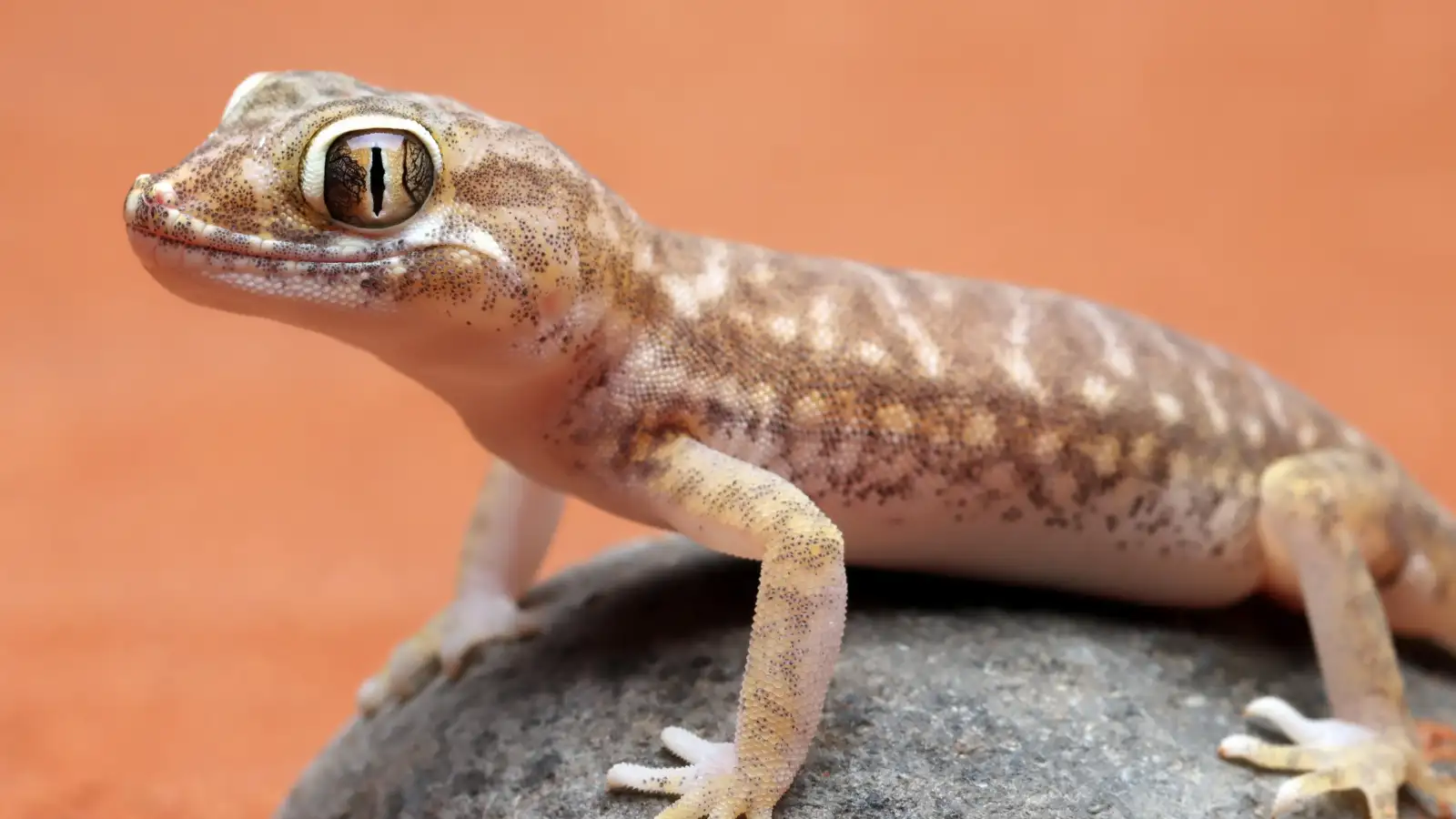
But to a phobic person, the presence of a "tiktiki" (house lizard) can trigger genuine medical distress, including rapid heart palpitations, irregular breathing, numbness, and sudden panic attacks. According to psychological experts, this extreme division in human reaction isn't random; it is shaped by a distinct mix of biology, past trauma, and family conditioning.
The Power of Parental Conditioning Dr. Shah notes that what looks like a simple animal phobia is often a social behavior learned from family members. If a young child grows up watching their parents scream, throw objects, or frantically run away whenever a lizard appears on a wall, the child's developing brain unconsciously categorizes the creature as a major threat. This childhood conditioning locks in a permanent fear response that persists well into adulthood.
For many, the fear is reinforced by real-world physical trauma. The article highlights common personal experiences where a lizard unexpectedly falls directly onto a person's shoulder or trapped clothing, leaving a psychological scar that causes people to feel the phantom sensation on their skin even thirty years later.
When a general dislike transitions into herpetophobia (the specific phobia of reptiles), it begins to disrupt a person's daily routine. Phobic individuals will often refuse to enter certain rooms, avoid leaving their beds at night without scanning the walls, or experience severe social anxiety at the mere suggestion of a trip to an outdoor garden. While retail solutions like hanging peacock feathers or using pepper sprays can help keep walls clean, clinical psychologists emphasize that the true cure for a deep-seated phobia lies in slowly rewiring the brain's internal associations through professional cognitive behavioral therapy (CBT) and guided exposure practices.
But to a phobic person, the presence of a "tiktiki" (house lizard) can trigger genuine medical distress, including rapid heart palpitations, irregular breathing, numbness, and sudden panic attacks. According to psychological experts, this extreme division in human reaction isn't random; it is shaped by a distinct mix of biology, past trauma, and family conditioning.
The Science Behind the Shiver
When someone experiences a wave of terror upon spotting a lizard, their brain is reacting to specific visual and physical triggers rather than actual physical danger.You may also like
- From campus to community: Student-led book clubs rewrite Delhi's reading culture
- Psychology says women who love travelling alone are...
- “I turned my family's cowshed into...”: How one man's ₹800 dream is changing the lives of 400 children in Assam
- Mawan-Dhiyan Satkar Scheme: On July 1, Rs 4500 will be deposited in the accounts of women of Punjab..
- Newborn Development: What Your Baby Learns and Does in the First 30 Days
- Unpredictable Movement: Lizards are notorious for making incredibly rapid, random, and sudden darting motions. This fast movement instantly sets off the human brain's evolutionary threat-warning system.
- The "Disgust" Variable: Dr. Durva Dharmesh Shah, a psychiatrist at the Medanta Institute of Neurosciences, points out that many individuals who claim they are "afraid" of lizards are actually experiencing an overwhelming wave of deep physical revulsion. The reptile’s cold skin texture, unique body shape, and scaly appearance trigger a strong disgust reflex.
- The Threat System: If the subconscious brain registers these combined traits as an active danger, it floods the body with adrenaline, initiating a full-blown fight-or-flight response that forces the person to scream, freeze, or sprint out of the room.
The Cycle of Learned Behavior
Because house lizards are a common part of everyday life in tropical environments like India, our initial psychological attitudes toward them are formed during early childhood.The Power of Parental Conditioning Dr. Shah notes that what looks like a simple animal phobia is often a social behavior learned from family members. If a young child grows up watching their parents scream, throw objects, or frantically run away whenever a lizard appears on a wall, the child's developing brain unconsciously categorizes the creature as a major threat. This childhood conditioning locks in a permanent fear response that persists well into adulthood.
When Ordinary Fear Crosses the Line
For many, the fear is reinforced by real-world physical trauma. The article highlights common personal experiences where a lizard unexpectedly falls directly onto a person's shoulder or trapped clothing, leaving a psychological scar that causes people to feel the phantom sensation on their skin even thirty years later.When a general dislike transitions into herpetophobia (the specific phobia of reptiles), it begins to disrupt a person's daily routine. Phobic individuals will often refuse to enter certain rooms, avoid leaving their beds at night without scanning the walls, or experience severe social anxiety at the mere suggestion of a trip to an outdoor garden. While retail solutions like hanging peacock feathers or using pepper sprays can help keep walls clean, clinical psychologists emphasize that the true cure for a deep-seated phobia lies in slowly rewiring the brain's internal associations through professional cognitive behavioral therapy (CBT) and guided exposure practices.






More from our partners


Loving Newspoint? Download the app now
