
Why Tamarind Should Never Be Added Early In Dal

Dal is one of the most comforting and widely loved dishes in Indian households. From sambar and rasam to tangy dal recipes, tamarind often plays an important role in enhancing flavour. But did you know that adding tamarind before the dal is cooked can completely affect the texture and cooking process?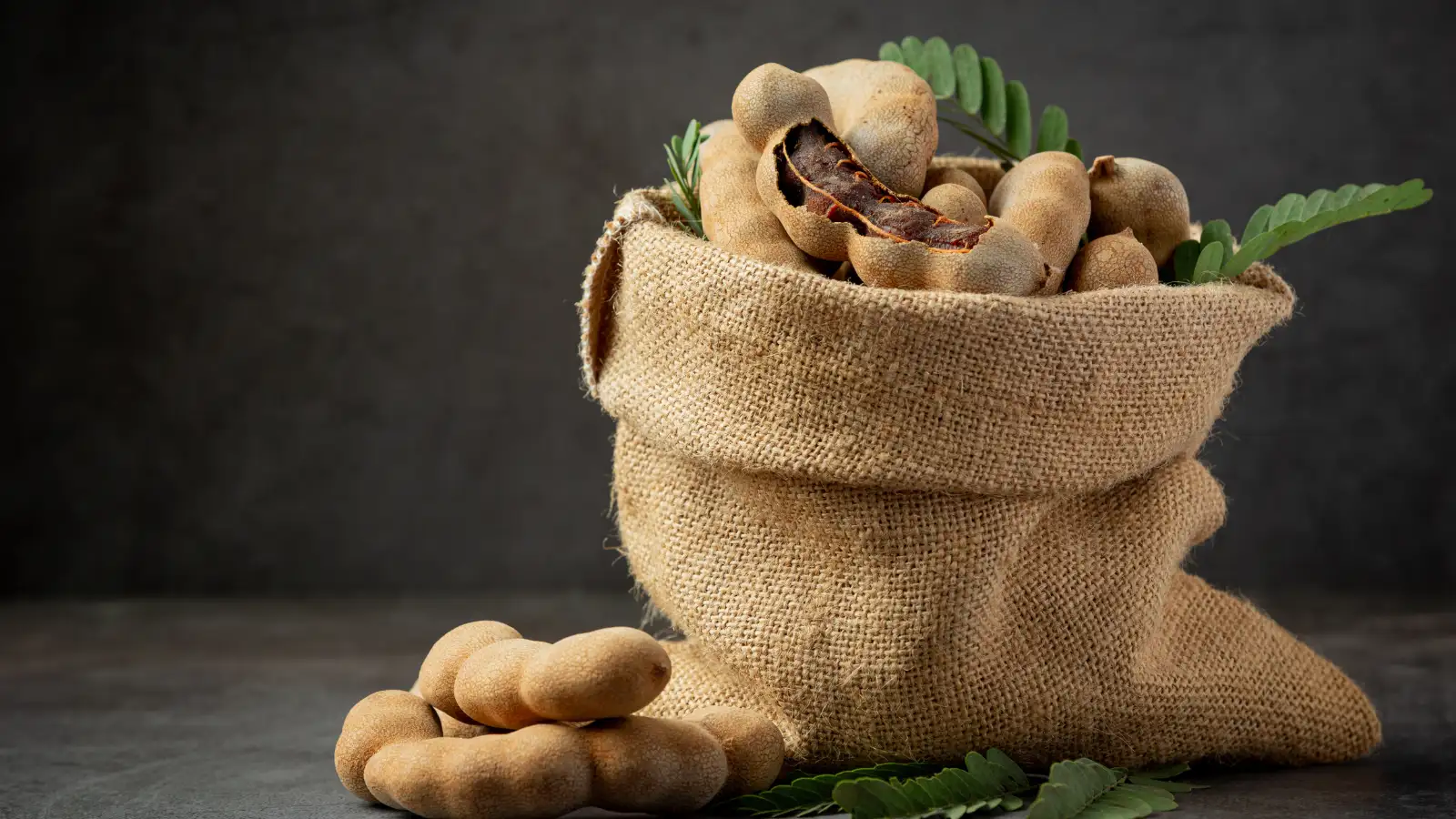
Many traditional Indian recipes recommend adding tamarind only after the lentils are soft and fully cooked. Here is why this small cooking technique can make a huge difference in your dish.
When tamarind is added too early, the dal may remain hard or take much longer to cook properly. This is especially noticeable while preparing dishes like sambar or arhar dal where a soft texture is essential.
Cooking the dal completely before adding tamarind ensures the lentils become creamy and smooth.
By waiting until the dal is cooked, you allow the lentils to absorb water fully and develop the right texture. Once soft, tamarind can then blend easily into the dish without affecting consistency.
This simple cooking tip helps create restaurant-style dal at home.
Also Read: Watery Dal Fix: Why Your Dal Turns Thin & The Easy 30-Second Trick to Thicken It Instantly
Adding tamarind towards the final stage of cooking preserves its sharp and delicious flavour. This is why South Indian dishes like sambar often taste more vibrant when tamarind is added after the dal softens.
The result is a perfectly balanced combination of earthy lentils and tangy tamarind.
Adding it later helps maintain the aroma and freshness of both the spices and the tamarind itself.
This not only improves texture but also creates a more balanced and flavourful dish.
This method gives the dal a rich flavour, smooth consistency, and authentic taste.
Many traditional Indian recipes recommend adding tamarind only after the lentils are soft and fully cooked. Here is why this small cooking technique can make a huge difference in your dish.
Tamarind Slows Down The Cooking Process
One of the biggest reasons tamarind should be added after cooking dal is because of its acidic nature. Tamarind contains natural acids that can interfere with the softening of lentils.When tamarind is added too early, the dal may remain hard or take much longer to cook properly. This is especially noticeable while preparing dishes like sambar or arhar dal where a soft texture is essential.
Cooking the dal completely before adding tamarind ensures the lentils become creamy and smooth.
Better Texture And Consistency
Perfectly cooked dal should have a soft and slightly thick consistency. Adding tamarind at the beginning can stop lentils from breaking down properly, leaving the dish grainy or uneven.By waiting until the dal is cooked, you allow the lentils to absorb water fully and develop the right texture. Once soft, tamarind can then blend easily into the dish without affecting consistency.
This simple cooking tip helps create restaurant-style dal at home.
Also Read: Watery Dal Fix: Why Your Dal Turns Thin & The Easy 30-Second Trick to Thicken It Instantly
Enhances The Tangy Flavour
Another reason to add tamarind later is flavour balance. When cooked for too long, tamarind may lose some of its fresh tanginess and rich taste.Adding tamarind towards the final stage of cooking preserves its sharp and delicious flavour. This is why South Indian dishes like sambar often taste more vibrant when tamarind is added after the dal softens.
The result is a perfectly balanced combination of earthy lentils and tangy tamarind.
Prevents Overcooking Of Spices
Many Indian dal recipes include tempering with mustard seeds, curry leaves, garlic, and spices. Tamarind added too early can sometimes overpower delicate spice flavours during long cooking periods.Adding it later helps maintain the aroma and freshness of both the spices and the tamarind itself.
Traditional Cooking Methods Support It
Traditional Indian cooking techniques have long followed this method for practical reasons. Experienced home cooks often prepare the dal first, then mix tamarind pulp after the lentils become soft.This not only improves texture but also creates a more balanced and flavourful dish.
The Right Way To Add Tamarind In Dal
To get the best results, cook the lentils completely until soft. Prepare tamarind pulp separately by soaking tamarind in warm water and straining it. Add the pulp after the dal is cooked and let it simmer for a few minutes with spices and tempering.This method gives the dal a rich flavour, smooth consistency, and authentic taste.
Next Story