
Why Your Brain Remembers Embarrassing Moments So Clearly

Your brain has a fascinating filing system. Ask it what you had for lunch last Tuesday, and it may have absolutely nothing to offer. Ask it about the embarrassing thing you said in front of your entire class in 2014, and suddenly it has restored the footage in 4K.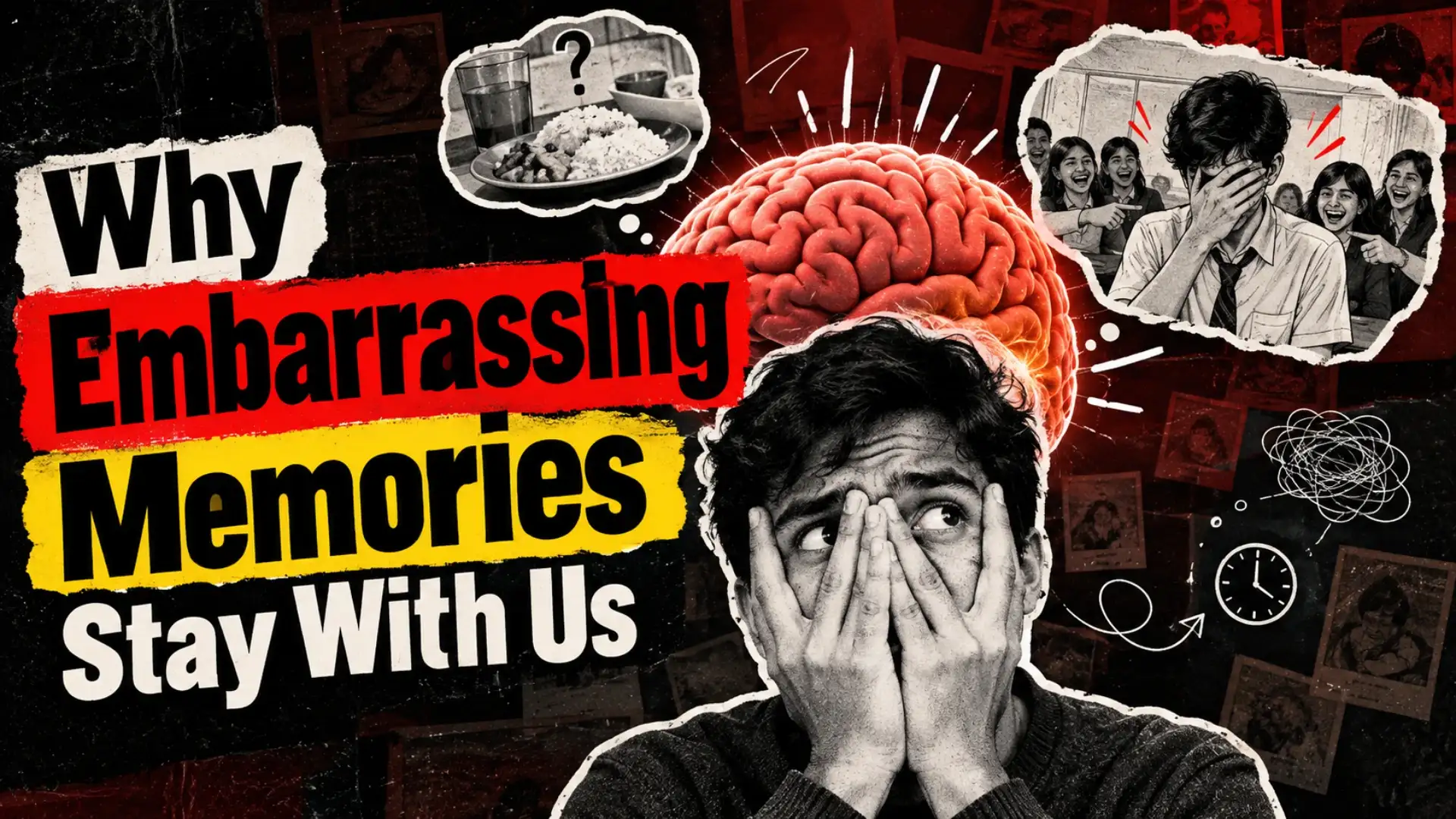
The brain does not treat every experience equally. Events carrying strong emotional significance often receive more attention and can become easier to retrieve later. Unfortunately, embarrassment qualifies.
The problem is that it does not necessarily know when to stop. A lesson that was useful at the time can resurface years later when you are lying in bed, taking a shower or doing absolutely nothing that remotely relates to the original event.
Memory is also reconstructive rather than a perfect video recording. Each time you remember an event, you reconstruct it from stored information. Over time, certain details can become stronger while others disappear. So the version that feels incredibly vivid today may not be a perfect replay of what actually happened.
The good news? The emotional charge of an embarrassing memory can fade. Something that once made you want to disappear may eventually become a story you laugh about. Your brain just has a very strange idea of when it is appropriate to remind you.
Strong Emotions Make Memories Stand Out
Embarrassment can trigger a powerful emotional response. You become intensely aware of what you said, how you looked and what everyone else might be thinking. That sudden burst of attention can make the experience more memorable than an ordinary moment.The brain does not treat every experience equally. Events carrying strong emotional significance often receive more attention and can become easier to retrieve later. Unfortunately, embarrassment qualifies.
You may also like
- Varanasi Ropeway Fares Set: Tickets Range from ₹10 to ₹50; 30% Discount on Passes
- Ganpati Visarjan: Metro to Run All Night; No Worries About Traffic Jams or Parking
- The Truth About No-Cost EMI! Find Out If You Really Don't Pay Interest
- Hotel name, check-in date, and your name—all correct! A single call could empty your bank account..
- 3-Day Bank Strike: When Will Salaries Arrive? Find Out Who Gets Paid Early and Who Has to Wait
Your Brain Is Trying To Learn From It
Remembering mistakes can also have a useful purpose. If something went badly, remembering what happened can help you avoid repeating the same behaviour. Your brain is constantly learning from experiences, including the socially painful ones.The problem is that it does not necessarily know when to stop. A lesson that was useful at the time can resurface years later when you are lying in bed, taking a shower or doing absolutely nothing that remotely relates to the original event.
You Probably Remember It More Than Everyone Else
There is another reason embarrassing memories can feel enormous. We often assume other people noticed our mistakes far more than they actually did. Everyone around us is usually busy paying attention to their own behaviour and worrying about their own lives.Memory is also reconstructive rather than a perfect video recording. Each time you remember an event, you reconstruct it from stored information. Over time, certain details can become stronger while others disappear. So the version that feels incredibly vivid today may not be a perfect replay of what actually happened.
The good news? The emotional charge of an embarrassing memory can fade. Something that once made you want to disappear may eventually become a story you laugh about. Your brain just has a very strange idea of when it is appropriate to remind you.






Loving Newspoint? Download the app now
