
Why This Indian River Is Called the 'River of Gold' and the Story Behind Its Name

India is blessed with countless rivers, each carrying its own history, culture and natural charm. Among them, the River of Gold , the Subansiri River, stands out for its fascinating origin story and breathtaking landscapes. Flowing through the Himalayas before joining the Brahmaputra, this remarkable river is admired not only for its scenic beauty but also for the legends, biodiversity and indigenous traditions that have shaped its identity over the centuries.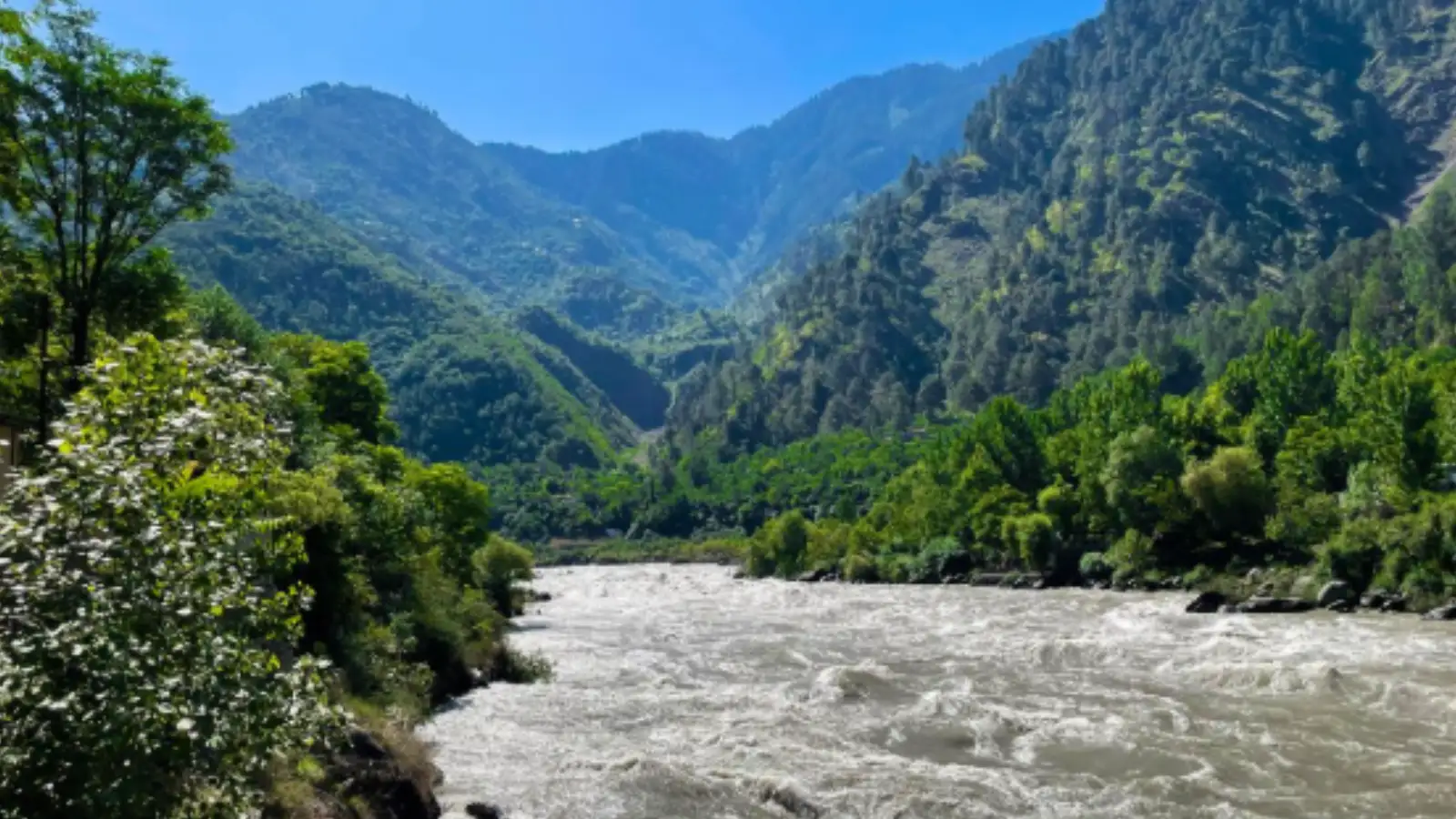
Why Is the Subansiri Called the 'River of Gold'?
The name Subansiri is believed to have originated from two words—'Suban', meaning gold, and 'Siri', meaning river. According to local folklore, the river once carried tiny particles of gold in its sandy banks. People living nearby reportedly collected these fine gold specks using traditional panning techniques, earning the river its famous title, the "River of Gold."
Although the practice is now largely a part of history, the story continues to add to the river's unique charm.
Journey of the Subansiri River
Spanning nearly 440 kilometres, the Subansiri is the largest tributary of the Brahmaputra River. It begins in the high-altitude Himalayan region of Tibet before entering India through Arunachal Pradesh. From there, it flows across rugged terrain and eventually merges with the Brahmaputra in Assam.
Throughout its journey, the river cuts through deep valleys, steep gorges and lush green forests, creating some of the most spectacular natural scenery in Northeast India.
A Biodiversity Hotspot
The Subansiri River basin is surrounded by dense forests that support an extraordinary range of wildlife and plant species. The region is home to colourful birds, butterflies and diverse native vegetation, making it a paradise for nature lovers, photographers and birdwatchers.
Many of the forests along the river form part of one of the world's richest biodiversity zones, sheltering rare species and ecologically significant habitats.
Lifeline for Indigenous Communities
For generations, the Subansiri has played a vital role in the lives of indigenous communities living along its banks. The river provides water for farming, fishing and household needs while also holding deep cultural and spiritual importance for several local tribes.
Its presence continues to shape the traditions, livelihoods and everyday lives of the people who depend on it.
Why Is the Subansiri Called the 'River of Gold'?
The name Subansiri is believed to have originated from two words—'Suban', meaning gold, and 'Siri', meaning river. According to local folklore, the river once carried tiny particles of gold in its sandy banks. People living nearby reportedly collected these fine gold specks using traditional panning techniques, earning the river its famous title, the "River of Gold."
Although the practice is now largely a part of history, the story continues to add to the river's unique charm.
Journey of the Subansiri River
Spanning nearly 440 kilometres, the Subansiri is the largest tributary of the Brahmaputra River. It begins in the high-altitude Himalayan region of Tibet before entering India through Arunachal Pradesh. From there, it flows across rugged terrain and eventually merges with the Brahmaputra in Assam.
Throughout its journey, the river cuts through deep valleys, steep gorges and lush green forests, creating some of the most spectacular natural scenery in Northeast India.
A Biodiversity Hotspot
The Subansiri River basin is surrounded by dense forests that support an extraordinary range of wildlife and plant species. The region is home to colourful birds, butterflies and diverse native vegetation, making it a paradise for nature lovers, photographers and birdwatchers.
Many of the forests along the river form part of one of the world's richest biodiversity zones, sheltering rare species and ecologically significant habitats.
Lifeline for Indigenous Communities
For generations, the Subansiri has played a vital role in the lives of indigenous communities living along its banks. The river provides water for farming, fishing and household needs while also holding deep cultural and spiritual importance for several local tribes.
Its presence continues to shape the traditions, livelihoods and everyday lives of the people who depend on it.
Next Story