
World Bee Day 2026: 10 Amazing Facts About Bees You Should Know

Every year on May 20, people across the globe celebrate World Bee Day to spread awareness about the importance of bees and other pollinators . These tiny insects play a major role in maintaining biodiversity , supporting agriculture, and helping ecosystems survive. Without bees, many fruits, vegetables, flowers, and crops would struggle to grow naturally.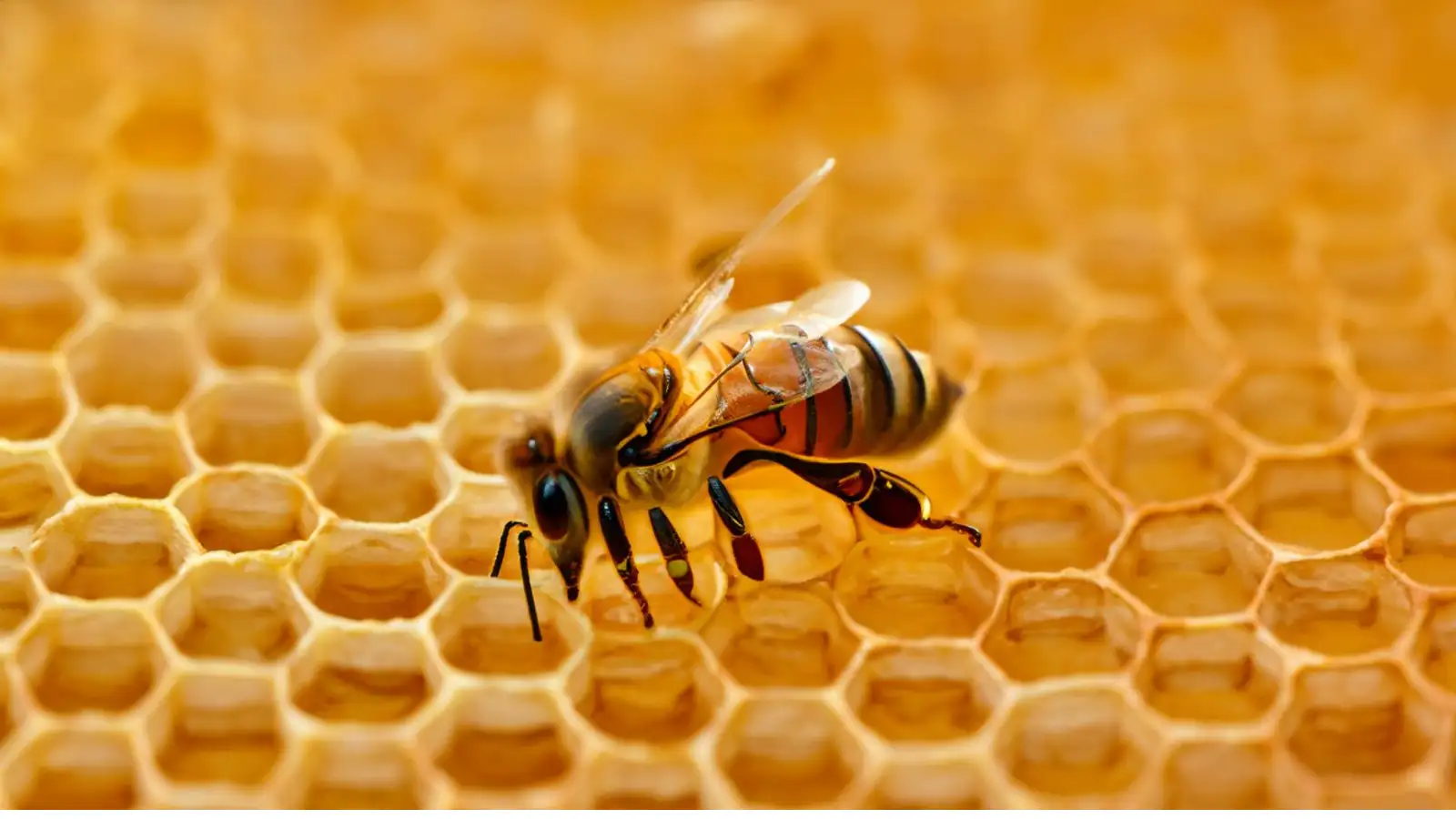
From producing honey to pollinating plants, bees are among the most hardworking creatures on Earth. Here are 10 fascinating bee facts that show why they are far more important than most people realise.
Without bees, food availability and biodiversity would be severely affected.
Also Read: Want More Birds in Your Garden? Try These Easy Tips
Each species contributes differently to pollination and ecosystem balance.
This fascinating behaviour proves that bees have highly organised social systems.
This helps maintain the strength and survival of the hive throughout the year.
Male bees, known as drones, mainly exist for reproduction and do not take part in daily hive activities.
This makes bees much smarter than many people assume.
Their fast wing movement also helps them travel efficiently from flower to flower during pollination.
Most bees sting only when they feel threatened or when protecting their hive.
Healthy bee populations are directly linked to healthy ecosystems.
Their organised social structure helps colonies survive and thrive efficiently.
By planting flowers, reducing chemical use, and supporting sustainable farming, people can help protect these important pollinators and preserve biodiversity for future generations.
From producing honey to pollinating plants, bees are among the most hardworking creatures on Earth. Here are 10 fascinating bee facts that show why they are far more important than most people realise.
1. Bees Help Produce One-Third Of The Food We Eat
One of the most important facts about bees is their role in pollination. Around one-third of global food production depends on pollinators like bees. Fruits such as apples, strawberries, almonds, cucumbers, and even coffee rely heavily on bee pollination .Without bees, food availability and biodiversity would be severely affected.
Also Read: Want More Birds in Your Garden? Try These Easy Tips
2. There Are More Than 20,000 Species Of Bees
Most people are familiar only with honey bees , but there are actually more than 20,000 bee species around the world. These include bumblebees, carpenter bees, mason bees, leafcutter bees, and stingless bees.Each species contributes differently to pollination and ecosystem balance.
3. Honey Bees Communicate Through Dancing
Honey bees use a unique method called the “waggle dance” to communicate. This dance helps other bees understand the direction and distance of flower sources rich in nectar and pollen.This fascinating behaviour proves that bees have highly organised social systems.
4. A Queen Bee Can Lay Thousands Of Eggs
The queen bee is responsible for producing new bees in the colony. During peak seasons, she can lay up to 2,000 eggs in a single day.This helps maintain the strength and survival of the hive throughout the year.
5. Worker Bees Are Female
The bees responsible for collecting nectar, protecting the hive, and caring for baby bees are all female worker bees.Male bees, known as drones, mainly exist for reproduction and do not take part in daily hive activities.
6. Bees Can Recognise Human Faces
Research studies have shown that bees can identify and remember human faces. Their brains may be tiny, but they are capable of learning patterns and recognising visual differences surprisingly well.This makes bees much smarter than many people assume.
7. Bees Beat Their Wings Extremely Fast
Bees beat their wings nearly 200 times every second. This rapid movement creates the buzzing sound commonly associated with bee activity.Their fast wing movement also helps them travel efficiently from flower to flower during pollination.
8. Not All Bees Sting
Many bee species are harmless and rarely sting humans. Male bees do not even have stingers.Most bees sting only when they feel threatened or when protecting their hive.
9. Bees Support Biodiversity
Bees are essential for biodiversity because they help pollinate flowering plants, trees, and crops. These plants provide food and shelter for birds, insects, and animals across ecosystems.Healthy bee populations are directly linked to healthy ecosystems.
10. Honey Bees Work In Highly Organised Colonies
Honey bee colonies function with remarkable teamwork and discipline. Every bee has a specific role, from collecting nectar to protecting the hive and caring for larvae.Their organised social structure helps colonies survive and thrive efficiently.
Why World Bee Day Matters
World Bee Day 2026 is a reminder that protecting bees means protecting nature itself. Climate change, pesticide use, pollution, and habitat destruction continue to threaten bee populations worldwide.By planting flowers, reducing chemical use, and supporting sustainable farming, people can help protect these important pollinators and preserve biodiversity for future generations.
Next Story