
World Bicycle Day 2026: Evolution of Bicycles from Classic Cycles to Modern E-Bikes

World Bicycle Day 2026 highlights the incredible journey of the bicycle and its transformation over time. From simple wooden frames to advanced electric-powered machines, bicycles have evolved into one of the most sustainable, healthy, and efficient modes of transport in the modern world. On this special day, people across the globe celebrate cycling as a symbol of fitness, eco-friendly travel, and innovation.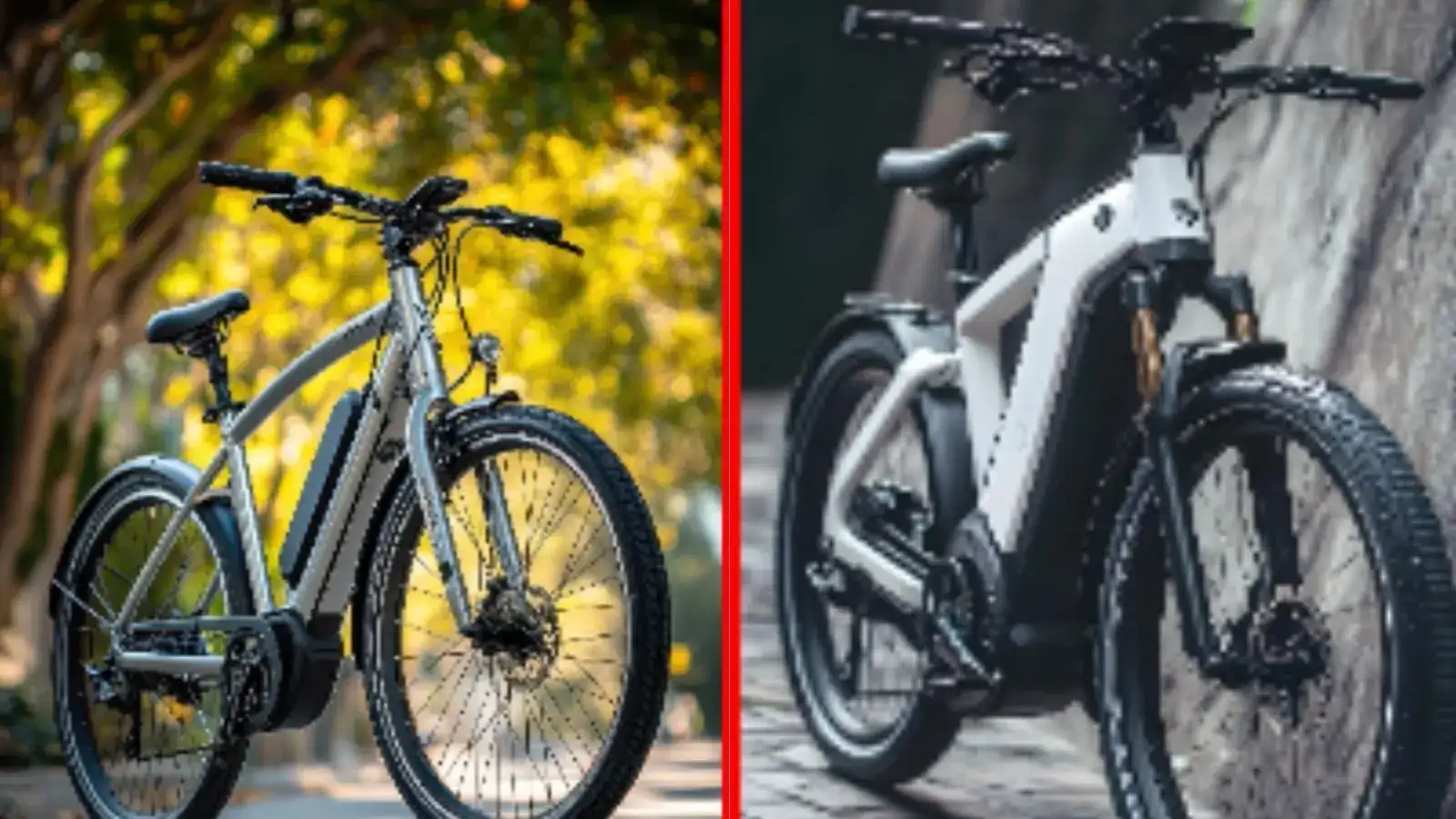
The Early Days of Bicycles: Simple Beginnings
The story of bicycles began with basic designs that focused only on movement and balance. Early versions were made of wood and metal, with no pedals or gears. Riders had to push themselves forward using their feet on the ground.
Over time, improvements such as pedals, chain drives, and rubber tyres made cycling more comfortable and practical. These innovations laid the foundation for the modern bicycles we see today.
Technological Evolution: From Manual to Advanced Cycles
As engineering progressed, bicycles became more efficient and user-friendly. The introduction of gears allowed riders to travel across different terrains with ease. Lightweight materials like aluminium and carbon fibre further improved speed and durability.
This phase marked a major shift in cycling history, turning bicycles into a reliable daily transport option for millions of people worldwide.
Rise of E-Bikes : The Modern Revolution
One of the biggest transformations in cycling history is the arrival of electric bicycles or e-bikes. These modern cycles come with battery-powered motors that assist riders while pedalling, making long-distance travel easier and less tiring.
E-bikes have gained massive popularity in cities due to their convenience, eco-friendliness, and cost-effectiveness. They are especially useful for commuters, fitness enthusiasts, and delivery services.
Why Cycling Still Matters Today
Even with advanced transportation options available, cycling remains highly relevant. It promotes physical fitness, reduces carbon emissions, and helps reduce traffic congestion in urban areas.
On World Bicycle Day 2026, people are reminded of the importance of adopting cycling as a daily habit for a healthier lifestyle and a cleaner planet.
Future of Cycling: Smarter and Greener
The future of bicycles looks even more exciting with smart technologies being integrated into designs. From GPS tracking to AI-assisted riding systems, bicycles are becoming more intelligent and connected.
Sustainable energy solutions and better battery technology will continue to make e-bikes more efficient and accessible for everyone.
Celebrating World Bicycle Day 2026
People celebrate this day by organizing cycling events, awareness campaigns, and community rides. It encourages individuals to choose bicycles over motor vehicles, even if just for a day, to support environmental sustainability.
World Bicycle Day 2026 is more than just a celebration - it is a reminder of how far bicycles have come and how important they remain in our lives. From simple beginnings to modern e-bikes, the bicycle continues to evolve as a powerful symbol of innovation, health, and sustainability.
The Early Days of Bicycles: Simple Beginnings
The story of bicycles began with basic designs that focused only on movement and balance. Early versions were made of wood and metal, with no pedals or gears. Riders had to push themselves forward using their feet on the ground.
Over time, improvements such as pedals, chain drives, and rubber tyres made cycling more comfortable and practical. These innovations laid the foundation for the modern bicycles we see today.
Technological Evolution: From Manual to Advanced Cycles
As engineering progressed, bicycles became more efficient and user-friendly. The introduction of gears allowed riders to travel across different terrains with ease. Lightweight materials like aluminium and carbon fibre further improved speed and durability.
This phase marked a major shift in cycling history, turning bicycles into a reliable daily transport option for millions of people worldwide.
Rise of E-Bikes : The Modern Revolution
One of the biggest transformations in cycling history is the arrival of electric bicycles or e-bikes. These modern cycles come with battery-powered motors that assist riders while pedalling, making long-distance travel easier and less tiring.
E-bikes have gained massive popularity in cities due to their convenience, eco-friendliness, and cost-effectiveness. They are especially useful for commuters, fitness enthusiasts, and delivery services.
Why Cycling Still Matters Today
Even with advanced transportation options available, cycling remains highly relevant. It promotes physical fitness, reduces carbon emissions, and helps reduce traffic congestion in urban areas.
On World Bicycle Day 2026, people are reminded of the importance of adopting cycling as a daily habit for a healthier lifestyle and a cleaner planet.
Future of Cycling: Smarter and Greener
The future of bicycles looks even more exciting with smart technologies being integrated into designs. From GPS tracking to AI-assisted riding systems, bicycles are becoming more intelligent and connected.
Sustainable energy solutions and better battery technology will continue to make e-bikes more efficient and accessible for everyone.
Celebrating World Bicycle Day 2026
People celebrate this day by organizing cycling events, awareness campaigns, and community rides. It encourages individuals to choose bicycles over motor vehicles, even if just for a day, to support environmental sustainability.
World Bicycle Day 2026 is more than just a celebration - it is a reminder of how far bicycles have come and how important they remain in our lives. From simple beginnings to modern e-bikes, the bicycle continues to evolve as a powerful symbol of innovation, health, and sustainability.
Next Story