
World Mental Health Day 2024: How October 10 is Shaping the Future of Mental Well-being

October 10 is celebrated globally as World Mental Health Day , an annual event aimed at raising awareness about mental health and promoting support for mental well-being . Spearheaded by the World Health Organization (WHO), this initiative highlights the critical role mental health plays in our lives—whether in personal relationships, communities, or workplaces.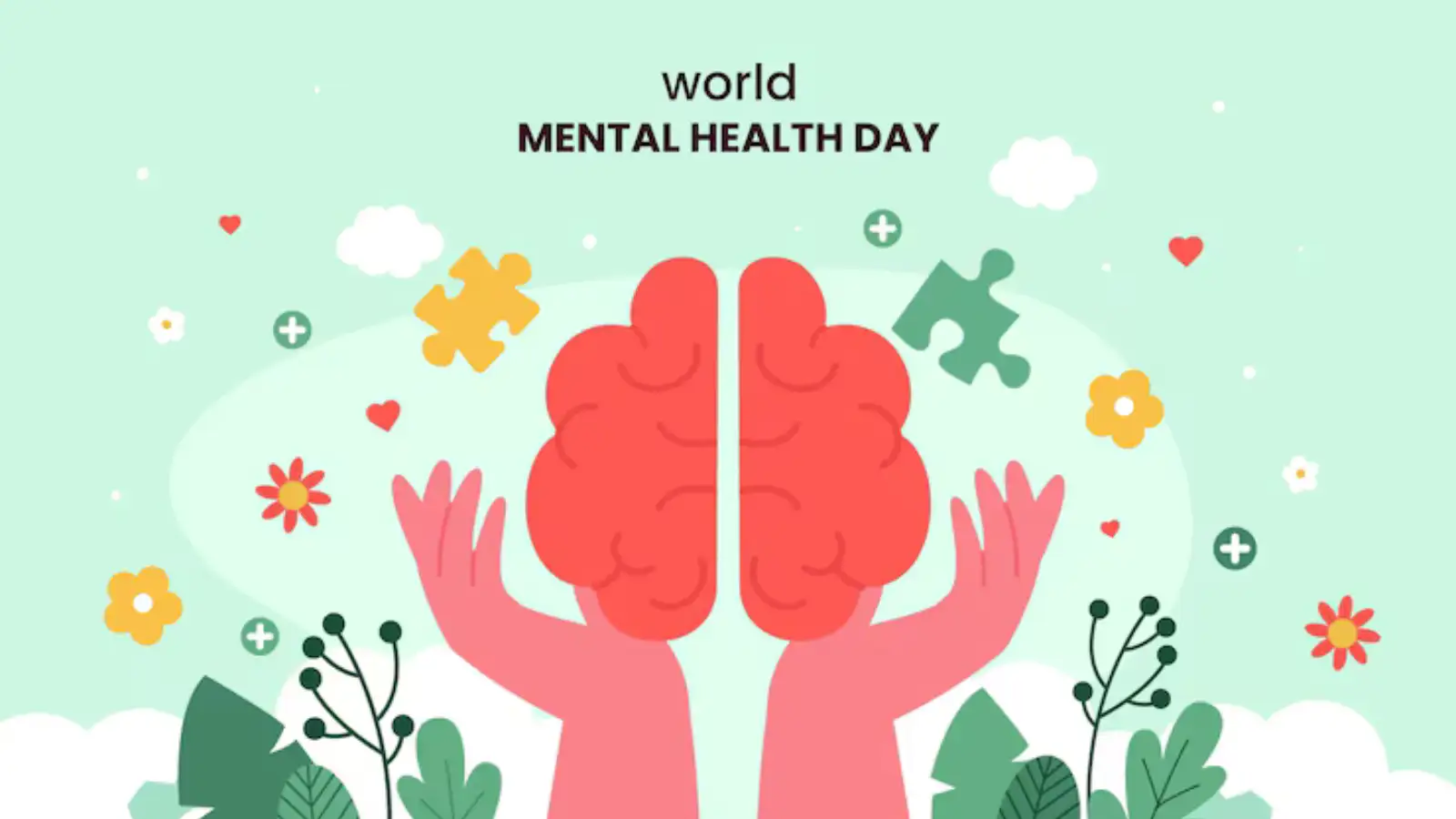
In 2024, the focus is on mental health in the workplace, emphasizing the importance of a supportive and healthy work environment for overall well-being. The day calls for global attention to the challenges workers face and encourages collaboration among governments, employers, and individuals to foster mental well-being.
Mental Health at Work: Why It Matters
A positive work environment is not just a benefit but a necessity for mental well-being. It provides purpose, stability, and fulfillment. However, workplaces that are toxic or poorly managed can severely impact mental health, leading to stress, burnout, and decreased productivity.
With 60% of the global population engaged in the workforce, it’s crucial to address these issues head-on, as the workplace can either protect or harm an individual's mental health. Ensuring that employees feel supported can make a world of difference, both personally and professionally.
Workplace Risks for Mental Health
Several factors in the workplace can negatively impact mental health, including:
Addressing these risks is crucial to safeguarding employee well-being and maintaining a productive workforce.
Impact on Individuals and Society
Without adequate mental health support, workers may face reduced job satisfaction, increased absences, and higher rates of job turnover. This can erode their confidence, making it harder to sustain employment. On a larger scale, depression and anxiety contribute to the loss of around 12 billion workdays globally each year, making mental health a societal concern.
Families and caregivers are also affected by workplace-related mental health challenges, as the stress can spill over into personal lives, further emphasizing the need for change.
Tackling Stigma in the Workplace
Stigma and discrimination often prevent individuals from seeking help or continuing in their jobs. Creating an open, stigma-free environment is key to encouraging employees to seek the support they need. Raising awareness, promoting understanding, and fostering inclusivity can lead to healthier workplaces where everyone feels valued.
# Supporting Employees and Managers
Employers play a pivotal role in promoting mental health. Some key steps they can take include:
Collaboration Is Key
Governments, employers, and worker organizations must collaborate to create policies that prioritize mental health in the workplace. Effective solutions can only be developed when all parties—including employees and individuals with lived mental health experiences - are involved in the conversation.
While employers and policymakers must take the lead, individuals also need to take steps to manage their own mental health, from practicing stress relief techniques to seeking help when necessary.
World Mental Health Day 2024 shines a spotlight on the importance of mental health in the workplace. By working together, we can create environments that support mental well-being, ensuring that everyone thrives both personally and professionally.
In 2024, the focus is on mental health in the workplace, emphasizing the importance of a supportive and healthy work environment for overall well-being. The day calls for global attention to the challenges workers face and encourages collaboration among governments, employers, and individuals to foster mental well-being.
Mental Health at Work: Why It Matters
A positive work environment is not just a benefit but a necessity for mental well-being. It provides purpose, stability, and fulfillment. However, workplaces that are toxic or poorly managed can severely impact mental health, leading to stress, burnout, and decreased productivity.
With 60% of the global population engaged in the workforce, it’s crucial to address these issues head-on, as the workplace can either protect or harm an individual's mental health. Ensuring that employees feel supported can make a world of difference, both personally and professionally.
Workplace Risks for Mental Health
Several factors in the workplace can negatively impact mental health, including:
- Discrimination and Stigma: Workers facing discrimination or stigma are more likely to experience stress and anxiety.
- Unsafe Conditions: Poor or hazardous working conditions heighten mental health risks.
- Job Insecurity: Employees in low-paying or unstable jobs are often more vulnerable to psychological stress.
Addressing these risks is crucial to safeguarding employee well-being and maintaining a productive workforce.
Impact on Individuals and Society
Without adequate mental health support, workers may face reduced job satisfaction, increased absences, and higher rates of job turnover. This can erode their confidence, making it harder to sustain employment. On a larger scale, depression and anxiety contribute to the loss of around 12 billion workdays globally each year, making mental health a societal concern.
You may also like
- Mature women rave about £15 foundation that's 'light' but gives 'flawless' skin
- M&S shoppers hail £30 'beautiful' trousers as 'so comfortable and easy to wear'
- Airline pilots don't eat the same meal and never at the same time, the reason behind this is more unsettling than you think
- PROTESTS, PAPER LEAKS, AND PRESSURE: WHAT EVERY INDIAN PARENT AND STUDENT NEEDS TO HEAR NOW
- Do pulses and rice get infested with weevils and insects during the rainy season? Follow these simple tips to keep them safe for months
Families and caregivers are also affected by workplace-related mental health challenges, as the stress can spill over into personal lives, further emphasizing the need for change.
Tackling Stigma in the Workplace
Stigma and discrimination often prevent individuals from seeking help or continuing in their jobs. Creating an open, stigma-free environment is key to encouraging employees to seek the support they need. Raising awareness, promoting understanding, and fostering inclusivity can lead to healthier workplaces where everyone feels valued.
# Supporting Employees and Managers
Employers play a pivotal role in promoting mental health. Some key steps they can take include:
- Flexible Schedules: Allowing for flexible work arrangements helps accommodate those dealing with mental health challenges.
- Manager Training: Providing managers with the tools to recognize stress and mental health issues in their teams is crucial to creating a supportive atmosphere.
- Regular Check-ins: Simple initiatives like regular check-ins can go a long way in ensuring employees feel supported.
Collaboration Is Key
Governments, employers, and worker organizations must collaborate to create policies that prioritize mental health in the workplace. Effective solutions can only be developed when all parties—including employees and individuals with lived mental health experiences - are involved in the conversation.
While employers and policymakers must take the lead, individuals also need to take steps to manage their own mental health, from practicing stress relief techniques to seeking help when necessary.
World Mental Health Day 2024 shines a spotlight on the importance of mental health in the workplace. By working together, we can create environments that support mental well-being, ensuring that everyone thrives both personally and professionally.






Loving Newspoint? Download the app now
