
World Milk Day: Why Is Milk So Important In Hindu Rituals?

Every year on 1 June, the world celebrates World Milk Day , an initiative launched by the Food and Agriculture Organization (FAO) to recognise the importance of milk as a nutrient-rich food and to honour the global dairy industry.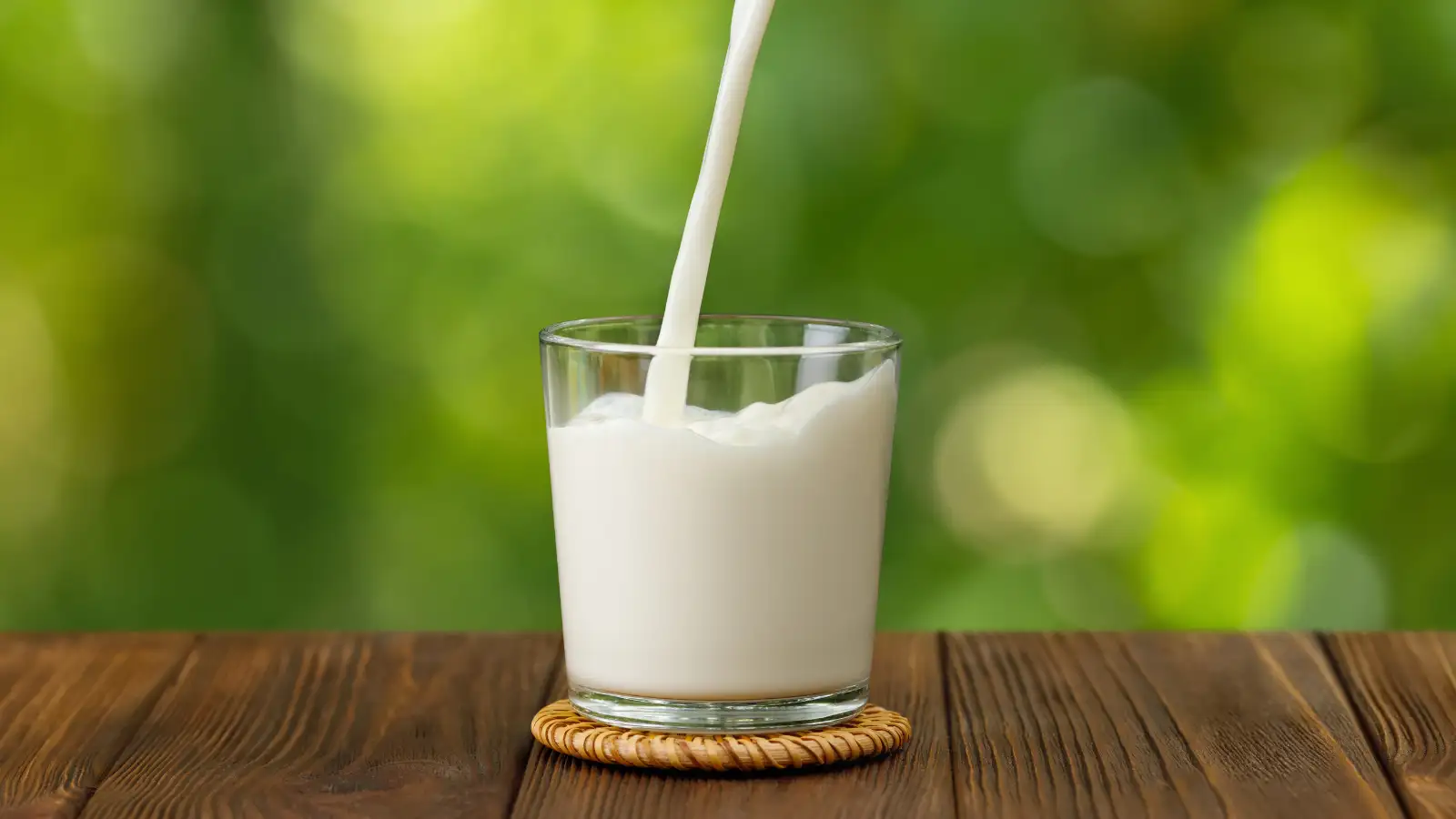
When it comes to milk production in India , the country holds a remarkable distinction. India is both the largest milk producer and largest milk consumer in the world, contributing nearly one-fourth of global milk production. With annual output exceeding 230 million metric tonnes, milk remains an integral part of Indian households, cuisine, and culture.
However, milk's significance in India extends well beyond nutrition. Its role in Hindu rituals, religious ceremonies, and sacred offerings has remained unchanged for centuries.
In Hindu tradition, cows are revered as symbols of motherhood, abundance, and selfless giving. They are often associated with Kamadhenu, the divine wish-fulfilling cow believed to have emerged during the ancient Samudra Manthan (Churning of the Ocean).
The connection is further strengthened through the worship of Lord Krishna, who spent his childhood as a cowherd and is often depicted surrounded by cows.
Because of these associations, milk is viewed as a symbol of purity, prosperity, and divine nourishment.
Milk is poured over idols of gods and goddesses as an act of devotion and purification. Devotees believe that milk represents purity and helps cleanse negative energies while inviting divine blessings.
Popular offerings include:
Also Read: Does Drinking Milk at Night Help You Sleep Better?
Whether used in Abhishekam, prepared as Prasad, or offered during festivals, milk continues to symbolise purity, nourishment, devotion, and divine blessings.
As the world celebrates World Milk Day, it is a reminder that in India, milk is not merely a food—it is a sacred element woven into the country's religious and cultural fabric.
When it comes to milk production in India , the country holds a remarkable distinction. India is both the largest milk producer and largest milk consumer in the world, contributing nearly one-fourth of global milk production. With annual output exceeding 230 million metric tonnes, milk remains an integral part of Indian households, cuisine, and culture.
However, milk's significance in India extends well beyond nutrition. Its role in Hindu rituals, religious ceremonies, and sacred offerings has remained unchanged for centuries.
Why Is Milk Considered Sacred in Hinduism?
The importance of milk in Hindu rituals is closely linked to the sacred status of the cow.In Hindu tradition, cows are revered as symbols of motherhood, abundance, and selfless giving. They are often associated with Kamadhenu, the divine wish-fulfilling cow believed to have emerged during the ancient Samudra Manthan (Churning of the Ocean).
The connection is further strengthened through the worship of Lord Krishna, who spent his childhood as a cowherd and is often depicted surrounded by cows.
Because of these associations, milk is viewed as a symbol of purity, prosperity, and divine nourishment.
Why Is Milk Used in Abhishekam?
A Symbol of Purification
One of the most important uses of milk in Hindu worship is during Abhishekam, the ceremonial bathing of deities.Milk is poured over idols of gods and goddesses as an act of devotion and purification. Devotees believe that milk represents purity and helps cleanse negative energies while inviting divine blessings.
Offering Respect to the Divine
During Abhishekam, milk is often combined with other sacred ingredients such as curd, honey, ghee, and sugar to prepare Panchamrit, a revered offering used in many temples and religious ceremonies.Why Is Milk Used in Prasad?
Symbol of Divine Blessings
Milk and milk-based products are commonly used in preparing Prasad, the sacred food offered to deities and later distributed among devotees.Popular offerings include:
- Kheer
- Payasam
- Peda
- Rabri
- Panchamrit
- Milk-based sweets
Connection to Purity and Prosperity
Since milk is considered pure and life-sustaining, offerings made from it are regarded as highly auspicious during festivals and temple rituals.Also Read: Does Drinking Milk at Night Help You Sleep Better?
Role of Milk in Hindu Life-Cycle Rituals
Annaprashana Ceremony
Milk plays a significant role in the Annaprashana ceremony, which marks a baby's first intake of solid food. It is often used in traditional preparations served during the ritual.Marriage Ceremonies
Milk-based drinks and sweets are commonly included in Hindu wedding customs as symbols of prosperity and a fruitful life ahead.Final Rites
Even during funeral rituals and remembrance ceremonies, milk is used in certain traditions to symbolise purity and aid the spiritual journey of the departed soul.Importance of Milk Products in Hindu Worship
Ghee for Lighting Diyas
Among all milk products, ghee holds special significance in Hindu rituals. Diyas lit with pure ghee are believed to attract positive energy and spiritual blessings.Curd in Sacred Rituals
Curd is frequently used in religious ceremonies and forms an essential component of Panchamrit.Butter and Krishna Worship
Butter is closely associated with Lord Krishna, who is affectionately remembered as "Makhan Chor" (butter thief), making dairy products an integral part of Krishna worship.India: The World's Largest Milk Producer
India's position as the world's leading dairy producer reflects the country's deep connection with milk.Key Facts About Milk Production in India
- India is the world's largest producer of milk.
- The country is also the largest consumer of milk.
- Annual milk production exceeds 230 million metric tonnes.
- Dairy farming supports millions of rural households.
- Milk contributes significantly to India's agricultural economy.
The Cultural Importance of Milk in India
The story of milk in India goes far beyond nutrition. From temple rituals and sacred offerings to everyday meals and major life events, milk remains deeply intertwined with Indian culture and spirituality.Whether used in Abhishekam, prepared as Prasad, or offered during festivals, milk continues to symbolise purity, nourishment, devotion, and divine blessings.
As the world celebrates World Milk Day, it is a reminder that in India, milk is not merely a food—it is a sacred element woven into the country's religious and cultural fabric.
Next Story