
World Nutrition Day: Simple Foods That Meet Your Child’s Nutrition Needs

A healthy diet during childhood plays a major role in physical growth, brain development, immunity, digestion, and energy levels. Children who eat balanced meals are often more active, focused in school, and less likely to fall sick frequently. Healthy eating habits formed early in life can also reduce the risk of obesity, diabetes, and lifestyle diseases later on.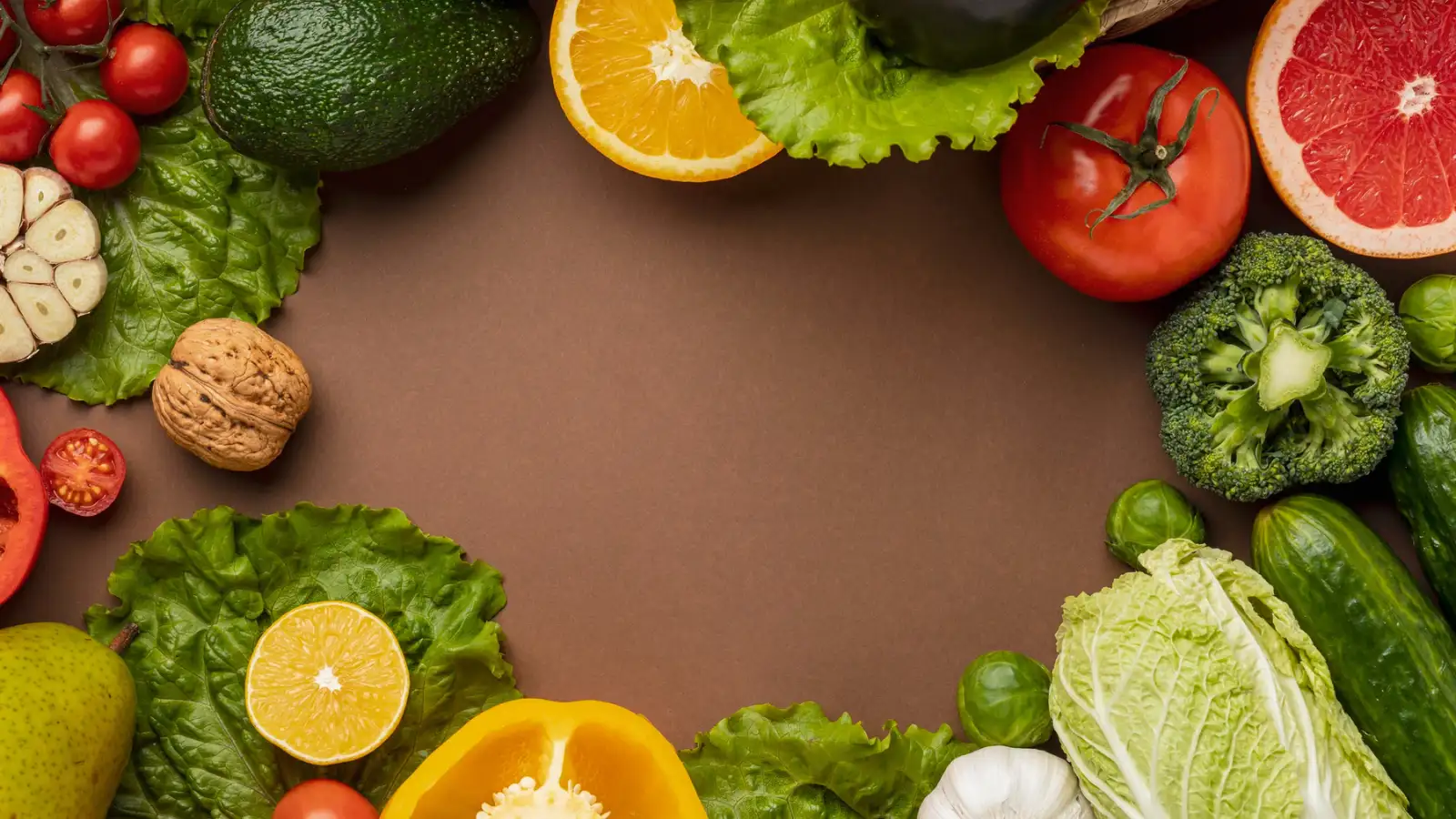
However, poor nutrition often develops quietly. Excess junk food, sugary drinks, processed snacks, and irregular eating habits can negatively affect growth and overall wellbeing over time. This is why experts stress the importance of balanced childhood nutrition rather than trendy diets or expensive supplements.
According to health experts, children need different amounts of protein depending on their age:
Also Read: Everyday Superfoods You Should Add To Your Diet For Better Health And Daily Nutrition
Experts also warn that excessive protein intake may put unnecessary stress on the kidneys and liver. This is why protein supplements should only be given if recommended by a doctor.
Children who consume excessive processed foods like chips, white bread, sugary cereals, packaged snacks, and fast food often do not get enough fibre in their diet.
An easy formula often recommended by experts is:
Healthy hydration options include:
On World Nutrition Day , experts encourage parents to focus less on food trends and more on creating healthy eating habits that children can follow for life.
However, poor nutrition often develops quietly. Excess junk food, sugary drinks, processed snacks, and irregular eating habits can negatively affect growth and overall wellbeing over time. This is why experts stress the importance of balanced childhood nutrition rather than trendy diets or expensive supplements.
How Much Protein Does Your Child Need Daily?
Protein is one of the most important nutrients for growing children. It helps build muscles, repair tissues, strengthen immunity, and support overall growth and development.According to health experts, children need different amounts of protein depending on their age:
- Children aged 1 to 3 years need around 13 grams of protein daily
- Children between 4 and 8 years require about 15 grams
- Children aged 9 to 13 years need around 34 grams
- Teenage girls require approximately 46 grams daily
- Teenage boys may need around 52 grams every day
Also Read: Everyday Superfoods You Should Add To Your Diet For Better Health And Daily Nutrition
Best Protein-Rich Foods For Children
Several everyday Indian foods naturally contain high-quality protein. These foods are easy to include in daily meals without relying on protein powders or supplements.Healthy Protein Sources Include:
- Milk and curd
- Paneer and tofu
- Dal and lentils
- Rajma and chickpeas
- Sprouts
- Peanuts and nuts
Experts also warn that excessive protein intake may put unnecessary stress on the kidneys and liver. This is why protein supplements should only be given if recommended by a doctor.
Why Fibre Is Equally Important For Children
While protein gets most of the attention, fibre is another essential nutrient many children lack today. Fibre supports digestion, keeps the gut healthy, prevents constipation, and helps children feel full for longer.Children who consume excessive processed foods like chips, white bread, sugary cereals, packaged snacks, and fast food often do not get enough fibre in their diet.
An easy formula often recommended by experts is:
Child’s Age + 5 = Daily Fibre Requirement
For example, a 5-year-old child should consume at least 10 grams of fibre every day.Fibre-Rich Foods Children Should Eat
Adding fibre to a child’s diet does not have to be difficult. Many healthy Indian foods naturally contain fibre and can easily become part of regular meals.Best Fibre Sources Include:
- Apples and pears
- Bananas and strawberries
- Oats and brown rice
- Carrots and cucumbers
- Tomatoes and leafy vegetables
- Lentils and beans
- Seeds and nuts
- Whole wheat rotis
- Sprouts chaat and oatmeal
Essential Vitamins And Minerals Children Need
Apart from protein and fibre, children also require vitamins and minerals for proper growth and development.Calcium
Calcium helps build strong bones and teeth. Good sources include milk, paneer, curd, tofu, and ragi.Vitamin D
Vitamin D helps the body absorb calcium effectively. Sunlight, eggs, and dairy products are useful sources.Iron
Iron supports brain development, concentration, and energy levels. Spinach, lentils, eggs, dates, and meat are rich in iron.You may also like
- Shoppers rush to buy 'beautiful' designer perfume 'ideal for summer' at half price
- Exploring the Spiritual Significance of Padmini Ekadashi and Shri Venkateswara Swami Temple
- Nautapa Day 4 Weather Advisory: Health Tips for Each Zodiac Sign
- Essential Insights on Wearing Pearls: Astrological Guidance
- Baby Formula Preparation: How to Mix Formula Safely With Water
Vitamin A
Vitamin A supports immunity and eye health. Carrots, mangoes, papaya, spinach, and sweet potatoes contain high amounts of Vitamin A.Zinc
Zinc helps improve immunity and growth. Nuts, dairy products, seeds, legumes, and meat are good sources.Hydration Is Just As Important
Proper hydration affects digestion, concentration, mood, and energy levels in children. Water should remain the primary drink throughout the day.Healthy hydration options include:
- Water
- Milk
- Buttermilk
- Coconut water
- Homemade smoothies
Balanced Nutrition Is The Real Key
Children do not need expensive superfoods, strict diets, or trendy nutrition hacks to stay healthy. What they truly need is balanced nutrition through regular meals, fresh fruits and vegetables, whole foods, adequate protein, fibre-rich foods, vitamins, minerals, and proper hydration.On World Nutrition Day , experts encourage parents to focus less on food trends and more on creating healthy eating habits that children can follow for life.






More from our partners


Loving Newspoint? Download the app now
