
World Oceans Day 2026: Why Ocean Health Is Crucial For Climate, Food And Biodiversity

Every year on 8 June, people around the world come together to celebrate World Oceans Day, a global observance dedicated to raising awareness about the importance of our oceans and the urgent need for ocean conservation . In 2026, the message is more relevant than ever as marine ecosystems face mounting pressures from pollution, climate change and unsustainable human activities.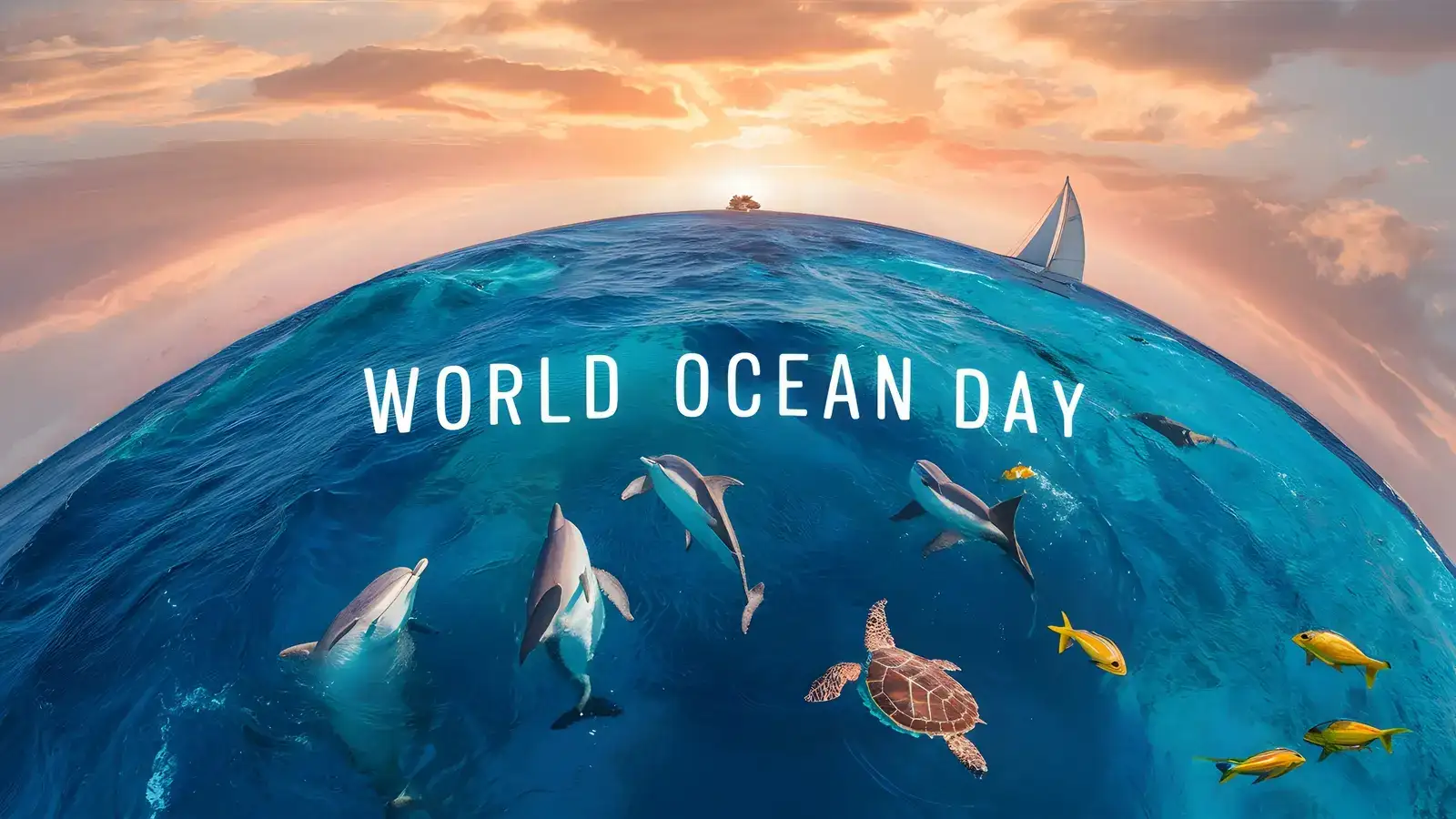
The ocean is often referred to as the planet's life-support system. It covers more than 70% of the Earth's surface, produces a significant share of the oxygen we breathe and plays a vital role in regulating global temperatures. Despite its importance, ocean health continues to decline, making marine conservation one of the most pressing environmental priorities of our time.
Also Read: Deep-Sea Creatures That Look Alien: Life Forms From the Darkest Corners of the Ocean
The idea was first proposed during the Earth Summit in Rio de Janeiro in 1992. In 2008, the United Nations officially recognised World Oceans Day, helping transform it into a global movement focused on protecting oceans and marine life.
Also Read: World’s Only Sea Without Land: A Shoreless Wonder Hidden in the Atlantic Ocean
Social media has also become a powerful tool for spreading awareness about ocean conservation. Millions of people use digital platforms to share information, support campaigns and encourage sustainable lifestyle choices.
Protecting ocean health requires collective action from governments, businesses and individuals alike. By supporting ocean conservation and making environmentally responsible choices, we can help preserve marine ecosystems and ensure future generations inherit a cleaner, healthier and more sustainable world.
The ocean is often referred to as the planet's life-support system. It covers more than 70% of the Earth's surface, produces a significant share of the oxygen we breathe and plays a vital role in regulating global temperatures. Despite its importance, ocean health continues to decline, making marine conservation one of the most pressing environmental priorities of our time.
Also Read: Deep-Sea Creatures That Look Alien: Life Forms From the Darkest Corners of the Ocean
What Is World Oceans Day?
World Oceans Day is an annual international event that celebrates humanity's connection with the sea while encouraging action to protect marine ecosystems. Observed every year on 8 June, the day brings together governments, environmental organisations, schools and communities to promote awareness and inspire positive change.The idea was first proposed during the Earth Summit in Rio de Janeiro in 1992. In 2008, the United Nations officially recognised World Oceans Day, helping transform it into a global movement focused on protecting oceans and marine life.
Why Oceans Are So Important
Oceans Help Regulate The Climate
One of the most important functions of the ocean is climate regulation. Oceans absorb large amounts of heat and carbon dioxide from the atmosphere, helping to slow the effects of global warming. Without healthy oceans, climate change would accelerate even further.Oceans Support Rich Marine Ecosystems
From colourful coral reefs to deep-sea habitats, marine ecosystems are home to millions of species. These ecosystems maintain biodiversity and support complex food chains that keep ocean life thriving.Oceans Provide Food And Livelihoods
Billions of people rely on seafood as a primary source of nutrition. Industries such as fishing, tourism and shipping also depend on healthy oceans, contributing significantly to local and global economies.Also Read: World’s Only Sea Without Land: A Shoreless Wonder Hidden in the Atlantic Ocean
You may also like
- It's forbidden to climb these 4 mountains – and here's why
- Regrow your kitchen scraps into a endless backyard harvest
- Delicious Muskmelon Shake Recipe: Transform Overripe Melons into a Refreshing Treat
- Essential Strategies for Teaching Children Healthy Relationship Skills
- 39 wives, 94 children: Inside world's largest family staying in India
Major Threats Facing Oceans In 2026
Ocean Pollution
Ocean pollution remains one of the biggest threats to marine conservation. Millions of tonnes of plastic waste enter oceans each year, harming marine animals through ingestion and entanglement. Plastic debris can persist for decades, causing long-term damage to ocean health.Climate Change And Rising Sea Temperatures
Climate change and oceans are closely connected. Rising global temperatures are warming ocean waters, disrupting habitats and contributing to coral bleaching. Many marine species struggle to adapt to these rapid environmental changes.Overfishing And Habitat Loss
Unsustainable fishing practices continue to deplete fish populations faster than they can recover. In addition, destructive fishing methods damage coral reefs and other critical marine ecosystems, threatening biodiversity and food security.How People Celebrate World Oceans Day
Around the world, World Oceans Day is marked through beach clean-ups, educational programmes, awareness campaigns and conservation initiatives. Schools organise workshops, environmental groups host events and communities participate in coastal clean-up drives.Social media has also become a powerful tool for spreading awareness about ocean conservation. Millions of people use digital platforms to share information, support campaigns and encourage sustainable lifestyle choices.
Simple Ways To Support Ocean Conservation
Protecting the ocean does not always require large-scale action. Small everyday choices can make a meaningful difference.- Reduce the use of single-use plastics.
- Choose sustainably sourced seafood.
- Conserve water and energy at home.
- Participate in local clean-up drives.
- Support organisations working on marine conservation.
- Learn more about marine ecosystems and share knowledge with others.
A Shared Responsibility
World Oceans Day 2026 reminds us that the future of our planet is closely linked to the future of our oceans. Healthy oceans support biodiversity, regulate climate and sustain millions of livelihoods worldwide.Protecting ocean health requires collective action from governments, businesses and individuals alike. By supporting ocean conservation and making environmentally responsible choices, we can help preserve marine ecosystems and ensure future generations inherit a cleaner, healthier and more sustainable world.






More from our partners


Loving Newspoint? Download the app now
