
World's Most Dangerous Mountains: 7 Deadliest Peaks That Challenge Even Expert Climbers

World's most dangerous mountains continue to test the limits of human endurance, skill and courage. While Mount Everest often dominates conversations about extreme mountaineering, several other peaks are considered far more hazardous due to unpredictable weather, deadly avalanches, technical climbing routes and high fatality risks. The recent avalanche on Broad Peak in Pakistan's Karakoram range, where a team of climbers including renowned Nepalese mountaineer Nirmal Purja is feared missing, has once again drawn global attention to the dangers of scaling these towering giants. Here are seven of the world's most dangerous mountains that remain among the toughest climbs on Earth.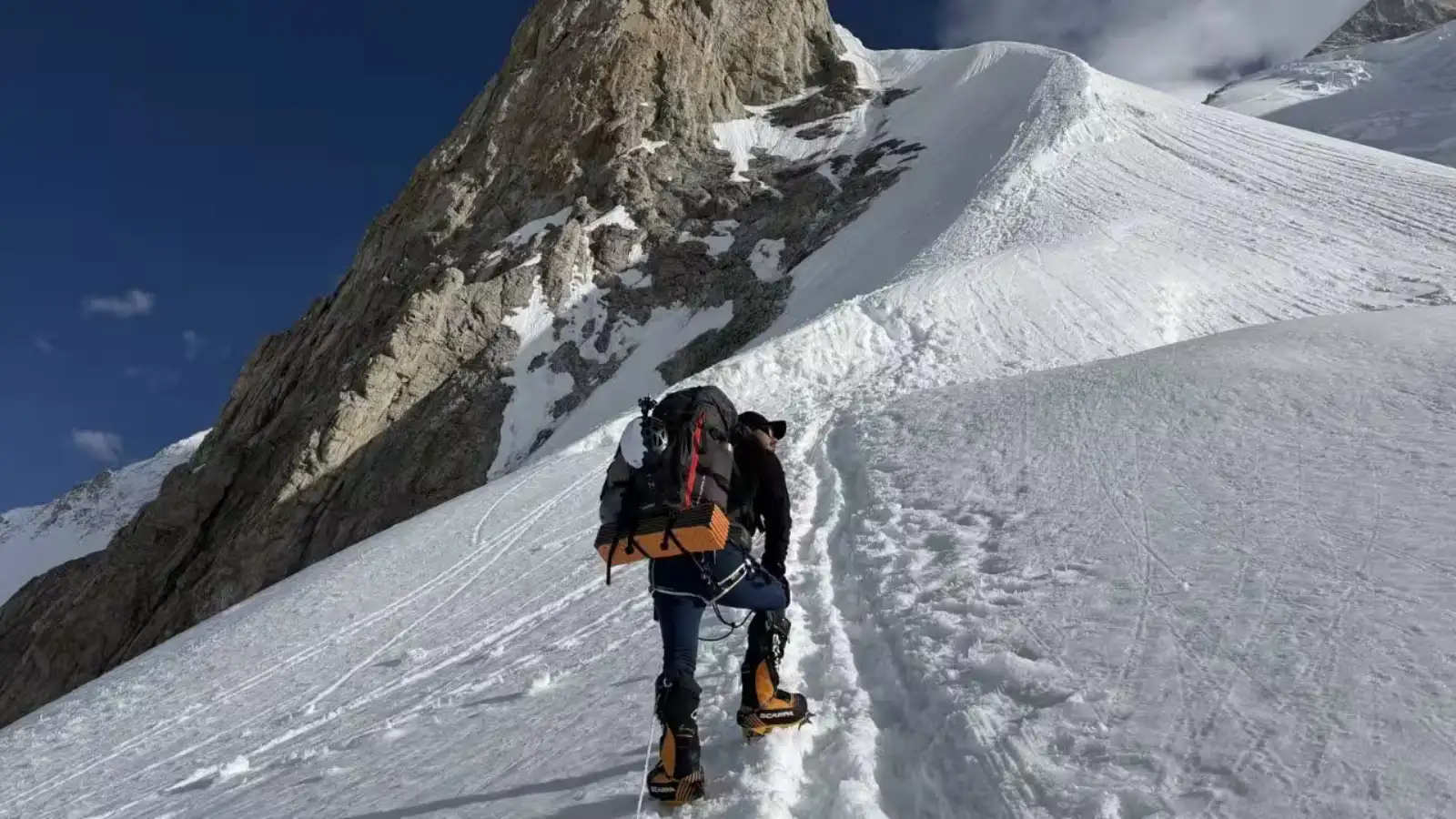
1. K2 (Pakistan-China): The 'Savage Mountain'
At 8,611 metres, K2 is the second-highest mountain in the world, but many experienced climbers consider it the most difficult major peak to conquer.
Unlike Everest, K2 offers no easy routes. Climbers must navigate steep ice-covered slopes, narrow ridges, unstable glaciers and frequent avalanches. Unpredictable storms can arrive without warning, making rescue operations extremely challenging. Its unforgiving terrain has earned K2 the nickname "Savage Mountain," reflecting its reputation as one of the deadliest peaks on the planet.
2. Annapurna I (Nepal): A Peak Known For Deadly Avalanches
Standing at 8,091 metres, Annapurna I has long been regarded as one of the most dangerous mountains for mountaineers.
The mountain is notorious for massive avalanches, unstable snow conditions and highly technical climbing sections. Even with improved climbing equipment and weather forecasting, Annapurna continues to pose serious risks. The combination of steep slopes and constantly shifting snow makes every ascent a challenging expedition.
3. Nanga Parbat (Pakistan): The Killer Mountain
At 8,126 metres, Nanga Parbat is one of the most feared mountains in the Himalayas.
Often referred to as the "Killer Mountain," it has witnessed numerous fatal accidents over the years. Climbers face dangerous rockfalls, frequent avalanches and severe weather throughout the expedition. Its famous Rupal Face, recognised as the world's highest mountain face, adds another level of technical difficulty that only experienced climbers can attempt.
4. Broad Peak (Pakistan): A Beautiful Yet Dangerous Giant
Broad Peak, rising to 8,047 metres, is the world's 12th-highest mountain and sits close to K2 in Pakistan's Karakoram range.
Although it is generally considered less technical than K2, Broad Peak remains an extremely dangerous climb. Mountaineers must deal with deep crevasses, avalanche-prone slopes, rapidly changing weather and the deadly "death zone" above 8,000 metres, where oxygen levels are critically low. The recent avalanche involving the expedition led by Nirmal Purja has once again highlighted the mountain's unpredictable nature.
5. Kangchenjunga (Nepal-India): A Sacred Peak With Extreme Challenges
The world's third-highest mountain, Kangchenjunga, reaches an elevation of 8,586 metres along the Nepal-India border.
Its climb involves crossing glacier fields, navigating hidden crevasses and surviving intense snowfall and powerful storms. Avalanches remain a constant threat throughout the ascent. Interestingly, many climbers choose to stop just below the true summit to honour local traditions that regard the mountain as sacred.
6. Dhaulagiri I (Nepal): Battling Ice, Wind And Whiteouts
Standing 8,167 metres above sea level, Dhaulagiri I is another Himalayan peak known for its demanding conditions.
Climbers encounter fierce winds, sudden whiteouts, unstable icefalls and avalanche-prone slopes. Weather conditions can change dramatically within hours, making the ascent highly unpredictable. Its combination of technical climbing and harsh mountain conditions places Dhaulagiri among the world's most dangerous mountains.
7. Eiger (Switzerland): Europe's Legendary 'Murder Wall'
Although significantly shorter at 3,967 metres, Switzerland's Eiger remains one of the world's most feared climbing destinations.
Its infamous North Face, often called the "Murder Wall," has challenged elite alpinists for decades. The route is notorious for falling rocks, collapsing ice, sudden storms and highly technical climbing sections that demand exceptional skill and experience. Despite its lower elevation, the Eiger continues to be regarded as one of the most dangerous mountains to climb .
Why Are These Mountains So Dangerous?
The danger associated with these mountains goes far beyond their height. Climbers often face:
Even the most experienced mountaineers spend months preparing for expeditions, yet these peaks continue to remind the world that nature remains unpredictable.
From the towering heights of K2 and Kangchenjunga to the legendary Eiger in the Swiss Alps, the world's most dangerous mountains continue to fascinate adventure seekers while demanding the utmost respect. Every successful summit represents extraordinary determination, but these formidable peaks also serve as a powerful reminder that even with modern equipment and careful planning, mountain climbing remains one of the world's most challenging and high-risk adventures.
1. K2 (Pakistan-China): The 'Savage Mountain'
At 8,611 metres, K2 is the second-highest mountain in the world, but many experienced climbers consider it the most difficult major peak to conquer.
Unlike Everest, K2 offers no easy routes. Climbers must navigate steep ice-covered slopes, narrow ridges, unstable glaciers and frequent avalanches. Unpredictable storms can arrive without warning, making rescue operations extremely challenging. Its unforgiving terrain has earned K2 the nickname "Savage Mountain," reflecting its reputation as one of the deadliest peaks on the planet.
2. Annapurna I (Nepal): A Peak Known For Deadly Avalanches
Standing at 8,091 metres, Annapurna I has long been regarded as one of the most dangerous mountains for mountaineers.
The mountain is notorious for massive avalanches, unstable snow conditions and highly technical climbing sections. Even with improved climbing equipment and weather forecasting, Annapurna continues to pose serious risks. The combination of steep slopes and constantly shifting snow makes every ascent a challenging expedition.
3. Nanga Parbat (Pakistan): The Killer Mountain
At 8,126 metres, Nanga Parbat is one of the most feared mountains in the Himalayas.
Often referred to as the "Killer Mountain," it has witnessed numerous fatal accidents over the years. Climbers face dangerous rockfalls, frequent avalanches and severe weather throughout the expedition. Its famous Rupal Face, recognised as the world's highest mountain face, adds another level of technical difficulty that only experienced climbers can attempt.
4. Broad Peak (Pakistan): A Beautiful Yet Dangerous Giant
Broad Peak, rising to 8,047 metres, is the world's 12th-highest mountain and sits close to K2 in Pakistan's Karakoram range.
Although it is generally considered less technical than K2, Broad Peak remains an extremely dangerous climb. Mountaineers must deal with deep crevasses, avalanche-prone slopes, rapidly changing weather and the deadly "death zone" above 8,000 metres, where oxygen levels are critically low. The recent avalanche involving the expedition led by Nirmal Purja has once again highlighted the mountain's unpredictable nature.
You may also like
- Scenic monsoon bus trips in India: Beautiful routes that should be on every traveller's bucket list
- Happy Friendship Day 2026: Top 50 Wishes, Messages, Quotes, Images, Facebook & Whatsapp status
- High cholesterol: Cholesterol deposited in the heart's arteries will melt away like wax; just include these 3 foods in your diet
- Today is the ITR deadline, but will the last date be extended? The Income Tax Department has given a clear answer..
- SSY Calculation: Invest ₹50 daily to build a fund of ₹8 lakh; secure your daughter's future with this Post Office scheme..
5. Kangchenjunga (Nepal-India): A Sacred Peak With Extreme Challenges
The world's third-highest mountain, Kangchenjunga, reaches an elevation of 8,586 metres along the Nepal-India border.
Its climb involves crossing glacier fields, navigating hidden crevasses and surviving intense snowfall and powerful storms. Avalanches remain a constant threat throughout the ascent. Interestingly, many climbers choose to stop just below the true summit to honour local traditions that regard the mountain as sacred.
6. Dhaulagiri I (Nepal): Battling Ice, Wind And Whiteouts
Standing 8,167 metres above sea level, Dhaulagiri I is another Himalayan peak known for its demanding conditions.
Climbers encounter fierce winds, sudden whiteouts, unstable icefalls and avalanche-prone slopes. Weather conditions can change dramatically within hours, making the ascent highly unpredictable. Its combination of technical climbing and harsh mountain conditions places Dhaulagiri among the world's most dangerous mountains.
7. Eiger (Switzerland): Europe's Legendary 'Murder Wall'
Although significantly shorter at 3,967 metres, Switzerland's Eiger remains one of the world's most feared climbing destinations.
Its infamous North Face, often called the "Murder Wall," has challenged elite alpinists for decades. The route is notorious for falling rocks, collapsing ice, sudden storms and highly technical climbing sections that demand exceptional skill and experience. Despite its lower elevation, the Eiger continues to be regarded as one of the most dangerous mountains to climb .
Why Are These Mountains So Dangerous?
The danger associated with these mountains goes far beyond their height. Climbers often face:
- Powerful avalanches and rockfalls
- Extreme cold and powerful winds
- Unpredictable weather changes
- Technical climbing routes requiring advanced skills
- Hidden crevasses and unstable glaciers
- Low oxygen levels above 8,000 metres, commonly known as the death zone
Even the most experienced mountaineers spend months preparing for expeditions, yet these peaks continue to remind the world that nature remains unpredictable.
From the towering heights of K2 and Kangchenjunga to the legendary Eiger in the Swiss Alps, the world's most dangerous mountains continue to fascinate adventure seekers while demanding the utmost respect. Every successful summit represents extraordinary determination, but these formidable peaks also serve as a powerful reminder that even with modern equipment and careful planning, mountain climbing remains one of the world's most challenging and high-risk adventures.






Loving Newspoint? Download the app now
