
World's Most Expensive Tea: Why Da Hong Pao Costs Over ₹9 Crore Per Kg

Imagine spending more than ₹1 lakh for just 20 grams of tea. It may sound unbelievable, but that is the reality of Da Hong Pao , widely recognised as the world's most expensive tea . Known for its exceptional rarity, rich history and royal connections, this legendary Chinese oolong tea has earned an almost mythical status among tea enthusiasts across the globe.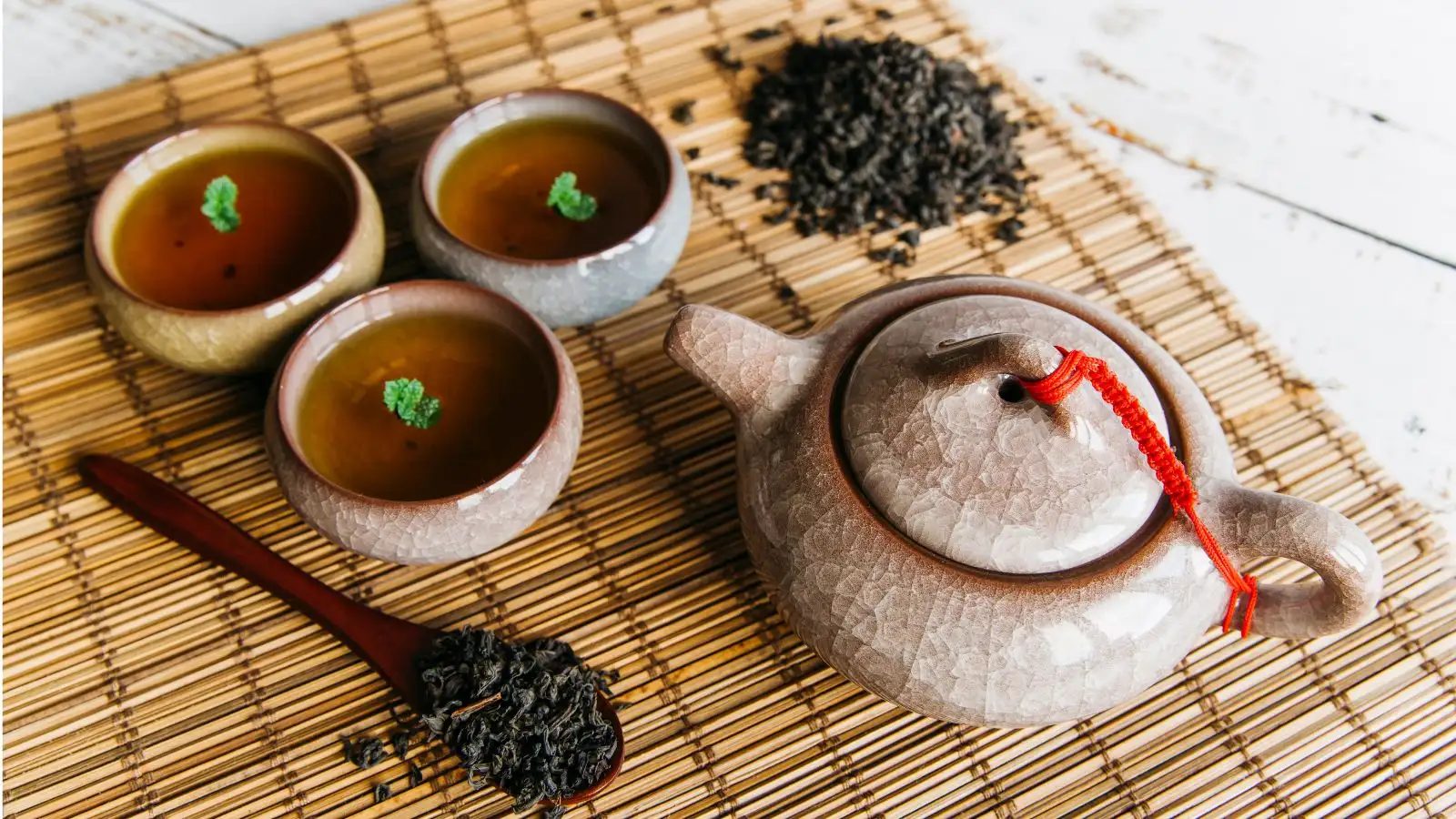
What makes this extraordinary brew even more fascinating is that the original Da Hong Pao can no longer be commercially harvested. While versions of the tea are still available today, the authentic leaves from the original bushes are now preserved as a priceless part of China's cultural heritage.
Unlike green or black tea, oolong tea sits between the two, offering a unique balance of freshness and richness. Da Hong Pao is admired for its floral fragrance, often compared to fresh orchids, along with roasted, fruity and slightly smoky notes. Every cup finishes with a naturally sweet aftertaste, making it one of the most sought-after luxury teas.
Also Read: Herbal Tea or Black Tea: Which Brew Fits Your Lifestyle Best?
These ancient bushes produced only a tiny quantity of tea, making every gram exceptionally valuable. The authentic Da Hong Pao tea price has been estimated at more than ₹9 crore per kilogram, placing it among the most valuable food products in the world.
One of the most famous auctions saw just 20 grams of the original tea sell for 208,000 yuan, equivalent to around ₹1.23 lakh. At one stage, a single gram was reportedly valued at more than ₹1.2 lakh, making it significantly more expensive than gold by weight.
These ancient tea plants are now regarded as national treasures due to their immense cultural and historical significance. The trees have even been insured for an enormous sum because of their priceless value. The final harvest from the original bushes has been carefully preserved inside Beijing's Palace Museum.
The Da Hong Pao available in today's market is produced from carefully cultivated descendants of the original trees or premium blends of Wuyi Mountains tea that closely replicate the famous flavour.
The scholar later achieved first place in the imperial examinations. When the emperor also became unwell, the same tea was served and was believed to have aided his recovery.
In gratitude, the emperor presented the scholar with a magnificent red ceremonial robe. The scholar returned to the mountains and draped the robe over the tea bushes to honour them. From then on, the tea became known as "Big Red Robe" or Da Hong Pao.
Also Read: 7 Powerful Reasons Hibiscus Tea Deserves A Place In Your Daily Wellness Routine
With the original Mother Trees now permanently protected, authentic Da Hong Pao remains one of the world's rarest and most treasured teas.
What makes this extraordinary brew even more fascinating is that the original Da Hong Pao can no longer be commercially harvested. While versions of the tea are still available today, the authentic leaves from the original bushes are now preserved as a priceless part of China's cultural heritage.
What Is Da Hong Pao?
Da Hong Pao, which translates to "Big Red Robe" in Mandarin, is a premium Chinese oolong tea cultivated in the breathtaking Wuyi Mountains of Fujian Province. This scenic mountain range, recognised as a UNESCO World Heritage Site, has long been celebrated for producing some of the world's finest teas.Unlike green or black tea, oolong tea sits between the two, offering a unique balance of freshness and richness. Da Hong Pao is admired for its floral fragrance, often compared to fresh orchids, along with roasted, fruity and slightly smoky notes. Every cup finishes with a naturally sweet aftertaste, making it one of the most sought-after luxury teas.
Also Read: Herbal Tea or Black Tea: Which Brew Fits Your Lifestyle Best?
Why Is It The World's Most Expensive Tea?
The remarkable value of Da Hong Pao comes from its extraordinary rarity. Hidden among the cliffs of the Wuyi Mountains are just six original Mother Trees, believed to be several centuries old.These ancient bushes produced only a tiny quantity of tea, making every gram exceptionally valuable. The authentic Da Hong Pao tea price has been estimated at more than ₹9 crore per kilogram, placing it among the most valuable food products in the world.
One of the most famous auctions saw just 20 grams of the original tea sell for 208,000 yuan, equivalent to around ₹1.23 lakh. At one stage, a single gram was reportedly valued at more than ₹1.2 lakh, making it significantly more expensive than gold by weight.
Why Did China Ban Harvesting?
In 2006, the Chinese government prohibited the commercial harvesting of leaves from the six original Mother Trees to ensure their long-term preservation.You may also like
- Can Laughter During Pregnancy Benefit You and Your Baby? What Science Says
- 'I used to love charity shops - but £9bn app has now ruined them'
- Healthcare Workers Report: Increasing violence against 4 out of 10 healthcare workers has become a global crisis, WHO warns
- Pumpkin Seed Oil Tips: Want to make pumpkin seed oil at home? Learn these secret hair growth tips.
- M&S £26 'stylish' trainers are 'very comfortable and go well with summer dresses'
These ancient tea plants are now regarded as national treasures due to their immense cultural and historical significance. The trees have even been insured for an enormous sum because of their priceless value. The final harvest from the original bushes has been carefully preserved inside Beijing's Palace Museum.
The Da Hong Pao available in today's market is produced from carefully cultivated descendants of the original trees or premium blends of Wuyi Mountains tea that closely replicate the famous flavour.
The Royal Legend Behind The Name
Da Hong Pao is surrounded by a famous Chinese legend. According to folklore, a young scholar travelling through the Wuyi Mountains fell seriously ill before his imperial examinations. A monk prepared tea using leaves from a special tea bush, helping the scholar recover.The scholar later achieved first place in the imperial examinations. When the emperor also became unwell, the same tea was served and was believed to have aided his recovery.
In gratitude, the emperor presented the scholar with a magnificent red ceremonial robe. The scholar returned to the mountains and draped the robe over the tea bushes to honour them. From then on, the tea became known as "Big Red Robe" or Da Hong Pao.
Also Read: 7 Powerful Reasons Hibiscus Tea Deserves A Place In Your Daily Wellness Routine
How Is Da Hong Pao Brewed?
Tea lovers recommend brewing Da Hong Pao in a traditional Chinese clay teapot or gaiwan using freshly boiled water between 95°C and 100°C. Unlike ordinary tea bags, the same leaves can be infused several times. Many connoisseurs believe the third and fourth brews reveal the tea's richest flavours, with its floral sweetness becoming even more pronounced.With the original Mother Trees now permanently protected, authentic Da Hong Pao remains one of the world's rarest and most treasured teas.






Loving Newspoint? Download the app now
