
The World's Most Unusual Islands and How People Adapt to Life in Remote Places

Islands have always fascinated travellers with their unusual landscapes, isolated communities and distinctive ways of life. Some are home to villages built over water, while others have volcanic terrain, limited natural resources or environments that demand remarkable adaptation. Over generations, residents have developed ways to build homes, find food, travel and preserve their cultural traditions in these unique settings. From floating settlements in Southeast Asia to remote communities in the Atlantic and Pacific, these islands show how geography can influence everyday life. Exploring them offers a glimpse into the many ways people create homes and communities in places that seem extraordinary to outsiders.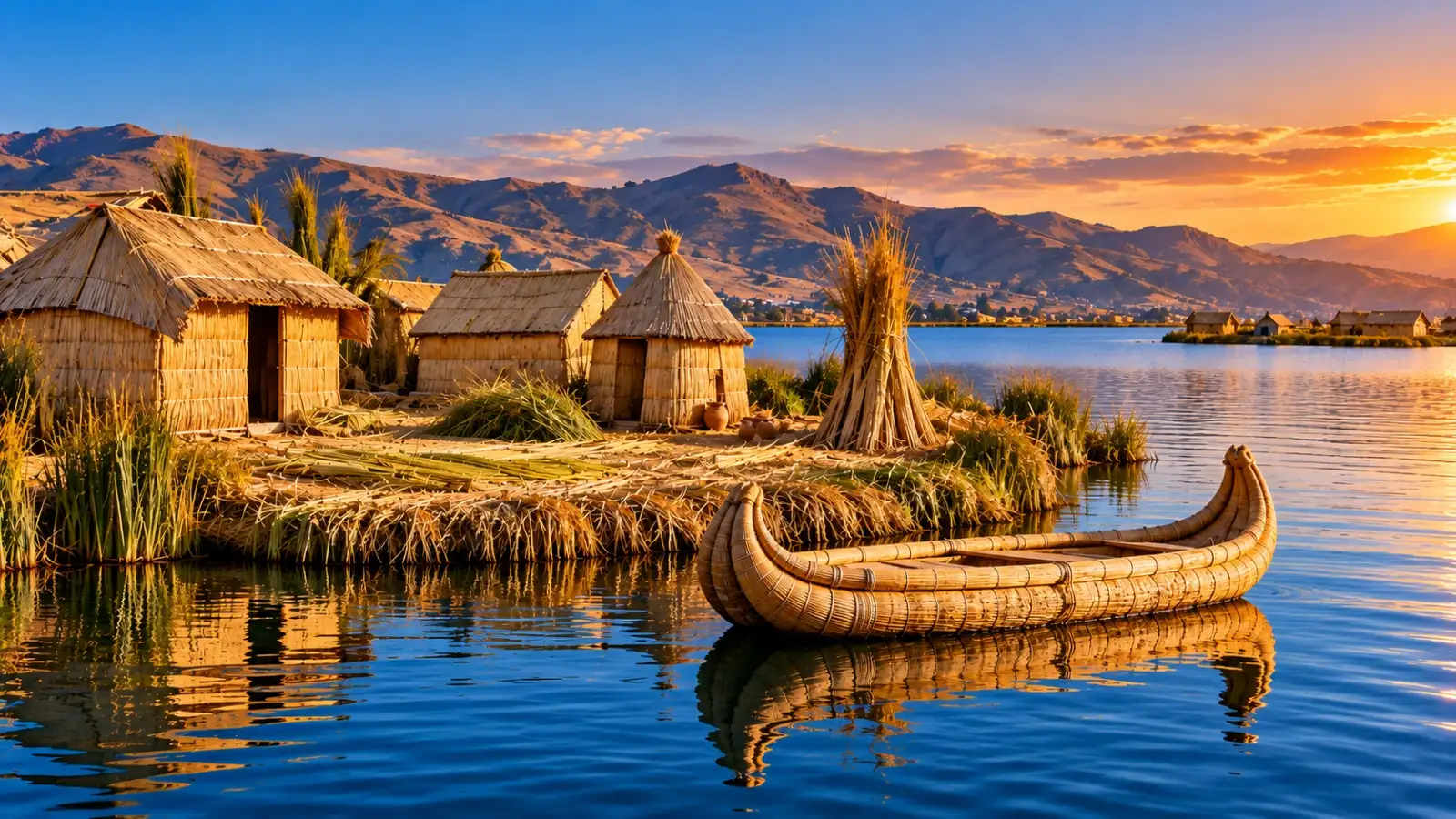
Residents maintain close community connections and grow potatoes and other produce where conditions allow. Fishing, particularly for lobster, is important to the local economy. Because there is no airport, journeys to and from the island require a long sea voyage, making careful planning essential.
People on Socotra have traditionally relied on fishing, livestock keeping and small-scale farming. Local knowledge helps communities manage limited water supplies and adapt to the island's varied landscapes. Arabic-speaking communities also maintain cultural practices shaped by centuries of connections with the wider Arabian Sea region.
Homes and community spaces are built on the same floating foundations. Reeds also provide material for boats and other everyday objects. Fishing, handicrafts and tourism contribute to livelihoods, although modern education, healthcare and access to mainland services are also important to residents.
The community is small, and daily life requires awareness of weather, transport conditions and the island's limited services. Residents rely on fishing, local work and connections with other parts of Japan. Reaching Aogashima can be difficult when sea or weather conditions disrupt transport, so travel requires flexibility.
Tourism, boating and marine conservation are major parts of the regional economy. Living in such a setting involves managing freshwater, waste, transport and environmental protection. The surrounding Great Barrier Reef also makes responsible tourism particularly important.
In Longyearbyen, residents rely on well-organised infrastructure, imported supplies and buildings designed for Arctic conditions. Outdoor travel requires awareness of rapidly changing weather and polar wildlife. The local economy includes research, tourism and other activities, while environmental protection is an important consideration.
Fishing has long supported local livelihoods, while tourism is now a major economic sector. Residents must manage freshwater resources, protect coastal environments and contend with the risks associated with rising sea levels. Traditional knowledge of the sea remains important for fishing, boat travel and understanding local weather.
Today, residents combine modern services with a strong interest in preserving their language, cultural identity and archaeological heritage. Tourism supports many livelihoods, but protecting historic sites and managing limited resources remain important challenges for the island community.
Many communities are connected by tunnels, bridges and ferry services. Fishing and aquaculture are important industries, while sheep farming remains part of local culture. Faroese communities have also preserved a distinctive language and traditions, including forms of traditional music and chain dancing.
Fishing, farming, small businesses and tourism support the local economy. Life on the island is shaped by tropical weather, coastal resources and connections with nearby islands. Visitors can learn about local traditions through respectful cultural experiences while recognising that beliefs and practices differ among residents.
The world's unusual islands demonstrate how communities adapt to geography, climate, isolation and available resources. Whether people live on floating reed platforms, in Arctic settlements or on remote volcanic islands, their daily routines reflect generations of practical knowledge and cultural change. These places are not simply curiosities for travellers; they are living communities with their own needs, challenges and aspirations. Learning about them with respect offers a deeper understanding of how people build meaningful lives in some of the world's most distinctive environments.
1. Tristan da Cunha , South Atlantic Ocean
Tristan da Cunha is often described as one of the world's most remote inhabited island groups. Located in the South Atlantic, far from major population centres, its main settlement, Edinburgh of the Seven Seas, has a small community whose daily life depends heavily on the sea, local agriculture and supplies arriving by ship.Residents maintain close community connections and grow potatoes and other produce where conditions allow. Fishing, particularly for lobster, is important to the local economy. Because there is no airport, journeys to and from the island require a long sea voyage, making careful planning essential.
2. Socotra, Yemen
Socotra lies in the Arabian Sea and is known for its unusual plant life, including the distinctive dragon's blood tree. Its relative isolation has allowed many species to develop in ways rarely seen elsewhere.People on Socotra have traditionally relied on fishing, livestock keeping and small-scale farming. Local knowledge helps communities manage limited water supplies and adapt to the island's varied landscapes. Arabic-speaking communities also maintain cultural practices shaped by centuries of connections with the wider Arabian Sea region.
3. The Floating Villages of Lake Titicaca, Peru
The Uros people live on floating islands made largely from totora reeds in Lake Titicaca, near Puno in Peru. These artificial islands are maintained by adding fresh layers of reeds as older material breaks down.Homes and community spaces are built on the same floating foundations. Reeds also provide material for boats and other everyday objects. Fishing, handicrafts and tourism contribute to livelihoods, although modern education, healthcare and access to mainland services are also important to residents.
4. Aogashima, Japan
Aogashima is a small volcanic island in the Philippine Sea, south of Tokyo. Its dramatic landscape includes a volcanic crater within a larger volcanic structure, giving the settlement an unusual natural setting.The community is small, and daily life requires awareness of weather, transport conditions and the island's limited services. Residents rely on fishing, local work and connections with other parts of Japan. Reaching Aogashima can be difficult when sea or weather conditions disrupt transport, so travel requires flexibility.
5. The Whitsunday Islands, Australia
The Whitsunday Islands lie off Queensland's coast and are known for clear waters, coral reefs and protected bays. While many islands are uninhabited or protected, nearby coastal communities and island resorts demonstrate how people live and work in this marine environment.Tourism, boating and marine conservation are major parts of the regional economy. Living in such a setting involves managing freshwater, waste, transport and environmental protection. The surrounding Great Barrier Reef also makes responsible tourism particularly important.
6. Svalbard's Spitsbergen, Norway
Spitsbergen is the largest island in the Svalbard archipelago, well inside the Arctic Circle. Its settlements experience long periods of winter darkness, summer daylight that continues through the night, and extremely cold conditions.In Longyearbyen, residents rely on well-organised infrastructure, imported supplies and buildings designed for Arctic conditions. Outdoor travel requires awareness of rapidly changing weather and polar wildlife. The local economy includes research, tourism and other activities, while environmental protection is an important consideration.
7. The Island Communities of the Maldives
The Maldives consists of low-lying coral islands and atolls in the Indian Ocean. Many inhabited islands have compact settlements where homes, schools, shops and community facilities sit close to the shoreline.You may also like
- Echoes of Muziris book launch celebrates young author Saanvi Shabeesh, highlighting her journey from a school story to a published novel
- 'Quick tasks' before clock-out? Employee says the boss keeps extending workdays without overtime pay, sparking debates over burnout, boundaries and the pressure to always say yes
- Paytm AU Bank Credit Card: Get this new card with zero fees and enjoy significant savings on UPI payments..
- The wait for the 24th installment is over! Find out which farmers will have ₹2,000 transferred into their accounts this week..
- The Significance of Sixteen Adornments on Karva Chauth: A Blend of Beauty and Tradition
Fishing has long supported local livelihoods, while tourism is now a major economic sector. Residents must manage freshwater resources, protect coastal environments and contend with the risks associated with rising sea levels. Traditional knowledge of the sea remains important for fishing, boat travel and understanding local weather.
8. Easter Island, Chile
Easter Island, also known as Rapa Nui, is one of the world's most isolated inhabited islands. Located in the southeastern Pacific Ocean, it is famous for its monumental stone statues, called moai, created by the Rapa Nui people.Today, residents combine modern services with a strong interest in preserving their language, cultural identity and archaeological heritage. Tourism supports many livelihoods, but protecting historic sites and managing limited resources remain important challenges for the island community.
9. The Faroe Islands, North Atlantic Ocean
The Faroe Islands are a group of rugged islands between Iceland and Scotland. Steep hills, narrow fjords and unpredictable weather have shaped settlement patterns and everyday activities for generations.Many communities are connected by tunnels, bridges and ferry services. Fishing and aquaculture are important industries, while sheep farming remains part of local culture. Faroese communities have also preserved a distinctive language and traditions, including forms of traditional music and chain dancing.
10. Siquijor, Philippines
Siquijor is a small island in the central Philippines known for its beaches, forests and long-standing traditions associated with folk healing. Local communities combine modern healthcare and education with cultural practices passed down through generations.Fishing, farming, small businesses and tourism support the local economy. Life on the island is shaped by tropical weather, coastal resources and connections with nearby islands. Visitors can learn about local traditions through respectful cultural experiences while recognising that beliefs and practices differ among residents.
The world's unusual islands demonstrate how communities adapt to geography, climate, isolation and available resources. Whether people live on floating reed platforms, in Arctic settlements or on remote volcanic islands, their daily routines reflect generations of practical knowledge and cultural change. These places are not simply curiosities for travellers; they are living communities with their own needs, challenges and aspirations. Learning about them with respect offers a deeper understanding of how people build meaningful lives in some of the world's most distinctive environments.






Loving Newspoint? Download the app now
