
Zero Maida Myth Exposed: Why Your “Healthy” Brown Bread May Still Contain Maida

The zero maida myth has become a major concern among health-conscious consumers who believe that products labelled as “healthy”, “organic”, or “zero maida” are automatically better choices. However, recent scrutiny by the Food Safety and Standards Authority of India (FSSAI) shows that many such claims may be misleading and not as transparent as they appear on packaging.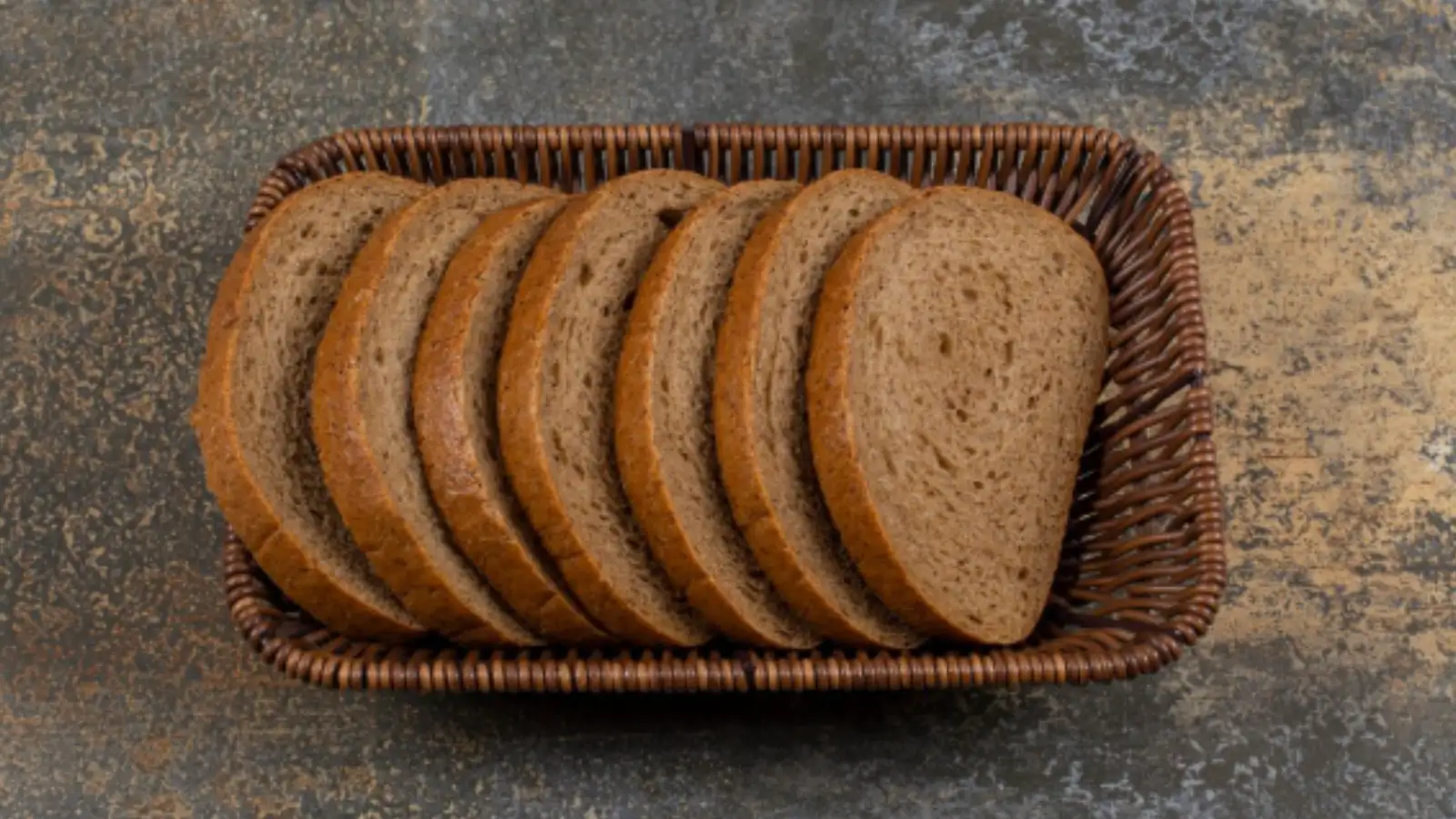
In a recent crackdown, FSSAI has issued notices to several food businesses for using confusing brand names, misleading product descriptions, and exaggerated health claims that could misguide consumers about what they are actually eating.
FSSAI Cracks Down on Misleading “Healthy” Food Claims
The Food Safety and Standards Authority of India has flagged multiple companies for potentially deceptive branding practices. According to the regulator, several product names and marketing claims may wrongly suggest organic certification, high nutritional value, or healthier ingredients than what the products actually contain.
The core issue highlighted is simple: labels like “healthy”, “organic”, or “zero maida” do not always reflect the real composition of the product.
Why “Zero Maida” Bread May Not Be Truly Maida-Free
One of the most talked-about concerns is the growing popularity of products marketed as “zero maida” or “whole wheat” alternatives.
For example, certain bread and pizza bases marketed with “zero maida” claims were flagged because they still contain refined ingredients or processed wheat components such as gluten or refined flour blends. This creates a perception that the product is completely free from maida, even when that may not be entirely true.
This is where the zero maida myth becomes misleading for consumers who are actively trying to make healthier food choices.
Food Products and Brands Under FSSAI Scanner
FSSAI has identified several categories of products where branding or claims could mislead buyers:
1. Organic-Sounding Brand Names Without Certification
Some brands use words like “organic” in their names, which may create a false impression of certification even when official organic approvals are missing.
2. Juice Products with Low Real Fruit Content
Certain fruit juices were flagged for using fruit names prominently, even though the actual fruit content is very low compared to concentrates or additives.
3. “Healthy” Tagged Snacks and Foods
Packaged foods such as chips, poha mixes, and ready-to-eat items were found using “healthy” branding despite containing processed ingredients that may not align with consumer expectations.
4. Misleading “Zero Maida” Claims
Products like pizza bases and breads marketed as “zero maida” were questioned for potentially overstating their purity or ingredient quality.
5. “Added Vitamins” and Mineral Claims in Water
Some packaged water brands were flagged for suggesting added nutrients in ways that may not comply with regulatory standards.
6. Vegan or Plant-Based Positioning Without Approval
Certain plant-based products were found using “vegan” claims without proper certification or endorsement from the required authorities.
Why Misleading Food Labels Are a Serious Concern
Misleading packaging doesn’t just confuse shoppers—it can directly impact eating habits and health decisions.
Consumers often choose products based on:
When these claims are exaggerated or unclear, people may end up consuming ingredients they are actively trying to avoid.
What Consumers Should Watch Out For
To avoid falling for the zero maida myth and other misleading claims, here are some simple checks:
The Bigger Message Behind FSSAI’s Action
The recent action by FSSAI sends a clear message to the food industry: packaging must reflect reality, not marketing creativity.
While branding plays an important role in product appeal, it cannot override transparency. Consumers deserve accurate information so they can make informed dietary choices without being misled by buzzwords.
The rise of the zero maida myth highlights a bigger issue in today’s packaged food market - health claims are often more about marketing than actual nutrition. As regulators step in to tighten rules, consumers also need to become more aware and cautious.
In the end, the best “healthy choice” is not what looks good on the front of the pack, but what is honestly written on the back.
In a recent crackdown, FSSAI has issued notices to several food businesses for using confusing brand names, misleading product descriptions, and exaggerated health claims that could misguide consumers about what they are actually eating.
FSSAI Cracks Down on Misleading “Healthy” Food Claims
The Food Safety and Standards Authority of India has flagged multiple companies for potentially deceptive branding practices. According to the regulator, several product names and marketing claims may wrongly suggest organic certification, high nutritional value, or healthier ingredients than what the products actually contain.
The core issue highlighted is simple: labels like “healthy”, “organic”, or “zero maida” do not always reflect the real composition of the product.
Why “Zero Maida” Bread May Not Be Truly Maida-Free
One of the most talked-about concerns is the growing popularity of products marketed as “zero maida” or “whole wheat” alternatives.
For example, certain bread and pizza bases marketed with “zero maida” claims were flagged because they still contain refined ingredients or processed wheat components such as gluten or refined flour blends. This creates a perception that the product is completely free from maida, even when that may not be entirely true.
This is where the zero maida myth becomes misleading for consumers who are actively trying to make healthier food choices.
Food Products and Brands Under FSSAI Scanner
FSSAI has identified several categories of products where branding or claims could mislead buyers:
1. Organic-Sounding Brand Names Without Certification
Some brands use words like “organic” in their names, which may create a false impression of certification even when official organic approvals are missing.
2. Juice Products with Low Real Fruit Content
Certain fruit juices were flagged for using fruit names prominently, even though the actual fruit content is very low compared to concentrates or additives.
3. “Healthy” Tagged Snacks and Foods
Packaged foods such as chips, poha mixes, and ready-to-eat items were found using “healthy” branding despite containing processed ingredients that may not align with consumer expectations.
4. Misleading “Zero Maida” Claims
Products like pizza bases and breads marketed as “zero maida” were questioned for potentially overstating their purity or ingredient quality.
5. “Added Vitamins” and Mineral Claims in Water
Some packaged water brands were flagged for suggesting added nutrients in ways that may not comply with regulatory standards.
6. Vegan or Plant-Based Positioning Without Approval
Certain plant-based products were found using “vegan” claims without proper certification or endorsement from the required authorities.
Why Misleading Food Labels Are a Serious Concern
Misleading packaging doesn’t just confuse shoppers—it can directly impact eating habits and health decisions.
Consumers often choose products based on:
- Lower perceived sugar or fat content
- “Whole wheat” or “zero maida” claims
- “Organic” or “natural” branding
- “Healthy” labelling
When these claims are exaggerated or unclear, people may end up consuming ingredients they are actively trying to avoid.
What Consumers Should Watch Out For
To avoid falling for the zero maida myth and other misleading claims, here are some simple checks:
- Always read the full ingredient list, not just the front label
- Look for official certifications like FSSAI-approved organic marks
- Be cautious of terms like “healthy”, “natural”, or “pure” without proof
- Check the actual percentage of key ingredients like fruit, wheat, or grains
- Don’t rely only on brand names for health assumptions
The Bigger Message Behind FSSAI’s Action
The recent action by FSSAI sends a clear message to the food industry: packaging must reflect reality, not marketing creativity.
While branding plays an important role in product appeal, it cannot override transparency. Consumers deserve accurate information so they can make informed dietary choices without being misled by buzzwords.
The rise of the zero maida myth highlights a bigger issue in today’s packaged food market - health claims are often more about marketing than actual nutrition. As regulators step in to tighten rules, consumers also need to become more aware and cautious.
In the end, the best “healthy choice” is not what looks good on the front of the pack, but what is honestly written on the back.
Next Story