
5 Vastu Plants To Grow During Sawan For Positive Energy

The holy month of Sawan 2026 is set to begin on 30th July in North India, marking a spiritually significant time for devotees of Lord Shiva. During this sacred period, many people observe fasts, perform pujas, chant mantras and seek divine blessings for happiness, health and prosperity.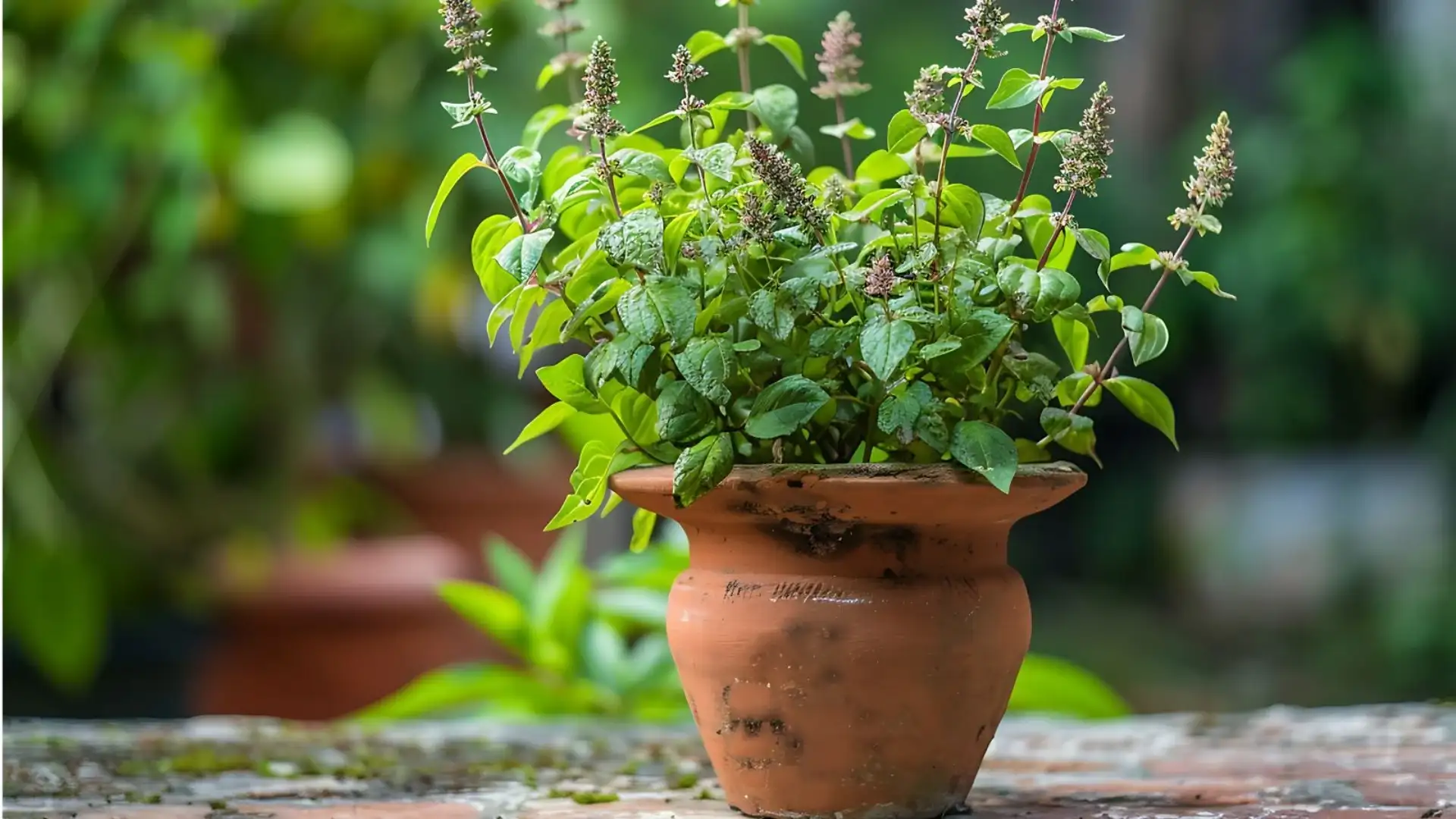
According to Vastu Shastra, nature plays an important role in creating a positive environment. Planting certain sacred plants during Sawan is believed to enhance spiritual energy, remove negativity and invite abundance into the home. While these beliefs are rooted in Hindu traditions, many devotees also see them as a way to strengthen their connection with nature and the divine.
Here are five Vastu plants that are considered especially auspicious during Sawan.
According to Vastu beliefs, growing a Bael tree can attract peace, prosperity and positive vibrations. It is generally recommended to plant it in the north or west direction of the house to maximise its spiritual significance.
As per Sawan Vastu tips , placing the Tulsi plant in the north-east direction or at the centre of the home is considered beneficial.
Also Read: Sawan 2026: Why Planting Tulsi During Sawan Is Considered Highly Auspicious
Many devotees worship the Shami plant during Sawan with the belief that it supports spiritual growth and helps reduce karmic burdens.
This easy-to-grow plant can thrive in both gardens and pots, making it suitable even for those with limited outdoor space.
According to Vastu plants traditions, keeping a Datura plant at home is believed to provide spiritual protection and encourage prosperity.
Also Read: Sawan 2026 Dates: When Does Shravan Begin? Check Start Date, End Date, Somwar Vrat & Shivratri Schedule
For devotees, nurturing these sacred plants is not just about following tradition. It also represents a meaningful way to invite positivity, cultivate mindfulness and create a peaceful atmosphere at home. Whether planted in a garden or a balcony, these plants beautifully symbolise the connection between nature, faith and well-being.
Disclaimer: This article is based on traditional Hindu beliefs, Vastu Shastra and cultural practices. These beliefs may vary across regions and individuals. We at NewsPoint do not guarantee or endorse these claims and are not responsible for any personal decisions made based on this information.
According to Vastu Shastra, nature plays an important role in creating a positive environment. Planting certain sacred plants during Sawan is believed to enhance spiritual energy, remove negativity and invite abundance into the home. While these beliefs are rooted in Hindu traditions, many devotees also see them as a way to strengthen their connection with nature and the divine.
Here are five Vastu plants that are considered especially auspicious during Sawan.
1. Bael Tree (Bel Patra)
The Bael tree, also known as Bel Patra, holds immense importance in Lord Shiva worship. Its three-leaf clusters symbolise purity and devotion, making them one of the most commonly offered leaves during Shiva pujas.According to Vastu beliefs, growing a Bael tree can attract peace, prosperity and positive vibrations. It is generally recommended to plant it in the north or west direction of the house to maximise its spiritual significance.
2. Tulsi (Holy Basil)
Although Tulsi is traditionally associated with Goddess Lakshmi, it is also regarded as a highly sacred plant that promotes harmony and positive energy. Daily prayers offered to Tulsi during Sawan 2026 are believed to bring happiness, wealth and family well-being.As per Sawan Vastu tips , placing the Tulsi plant in the north-east direction or at the centre of the home is considered beneficial.
Also Read: Sawan 2026: Why Planting Tulsi During Sawan Is Considered Highly Auspicious
3. Shami Plant (Prosopis)
The Shami plant is revered in Hindu traditions and is associated with both Lord Shiva and Lord Shani. It is believed to help remove negative influences while attracting financial stability and divine protection.You may also like
- Bhagavad Gita Quote Today: A Daily Thought for a Clear Mind and Better Decisions
- Vasudeva Dwadashi Puja 2026: Date, Time, Puja Vidhi and Significance
- Digital Evil Eye: Is Constant Scrolling Secretly Weakening Your Mental Shield?
- Scorpio Moon : Why Your Usual Prayers May Suddenly Feel Powerless
- Sawan 2026 Money Remedies: Offer These Things to Lord Shiva Based on Your Zodiac Sign
Many devotees worship the Shami plant during Sawan with the belief that it supports spiritual growth and helps reduce karmic burdens.
4. Lakshmana Plant (Ban Kalmi)
The Lakshmana plant, commonly known as Ban Kalmi, is another sacred addition to homes during the holy month. According to Vastu traditions, it is believed to invite prosperity, harmony and abundance.This easy-to-grow plant can thrive in both gardens and pots, making it suitable even for those with limited outdoor space.
5. Datura Plant (Moonflower)
The Datura plant has a special place in Lord Shiva worship and is often offered during religious rituals. In Hindu beliefs, it symbolises the removal of negative emotions such as anger, jealousy and ego, reflecting Lord Shiva's role in consuming the Halahala poison to protect the universe.According to Vastu plants traditions, keeping a Datura plant at home is believed to provide spiritual protection and encourage prosperity.
Also Read: Sawan 2026 Dates: When Does Shravan Begin? Check Start Date, End Date, Somwar Vrat & Shivratri Schedule
Why Sawan Is Considered Ideal For Planting Sacred Plants
The arrival of Sawan coincides with the monsoon season, when nature flourishes with lush greenery and renewed life. This makes it an ideal time to plant trees and sacred herbs while embracing the spiritual essence of the season.For devotees, nurturing these sacred plants is not just about following tradition. It also represents a meaningful way to invite positivity, cultivate mindfulness and create a peaceful atmosphere at home. Whether planted in a garden or a balcony, these plants beautifully symbolise the connection between nature, faith and well-being.
Disclaimer: This article is based on traditional Hindu beliefs, Vastu Shastra and cultural practices. These beliefs may vary across regions and individuals. We at NewsPoint do not guarantee or endorse these claims and are not responsible for any personal decisions made based on this information.






Loving Newspoint? Download the app now
