
Can You Keep a Shivling at Home? Shiv Purana Reveals the Right Rules, Best Shivling and Puja Tips

Can you keep a Shivling at home ? This is one of the most common questions devotees ask, especially during the holy month of Sawan when Lord Shiva is worshipped with great devotion. While some believe that keeping a Shivling at home is not advisable, Hindu scriptures present a different view. According to the Shiv Purana and Skanda Purana , a Shivling can be installed in a home temple if certain traditional guidelines are followed. From choosing the right type of Shivling to following the proper worship rituals, here is everything devotees should know.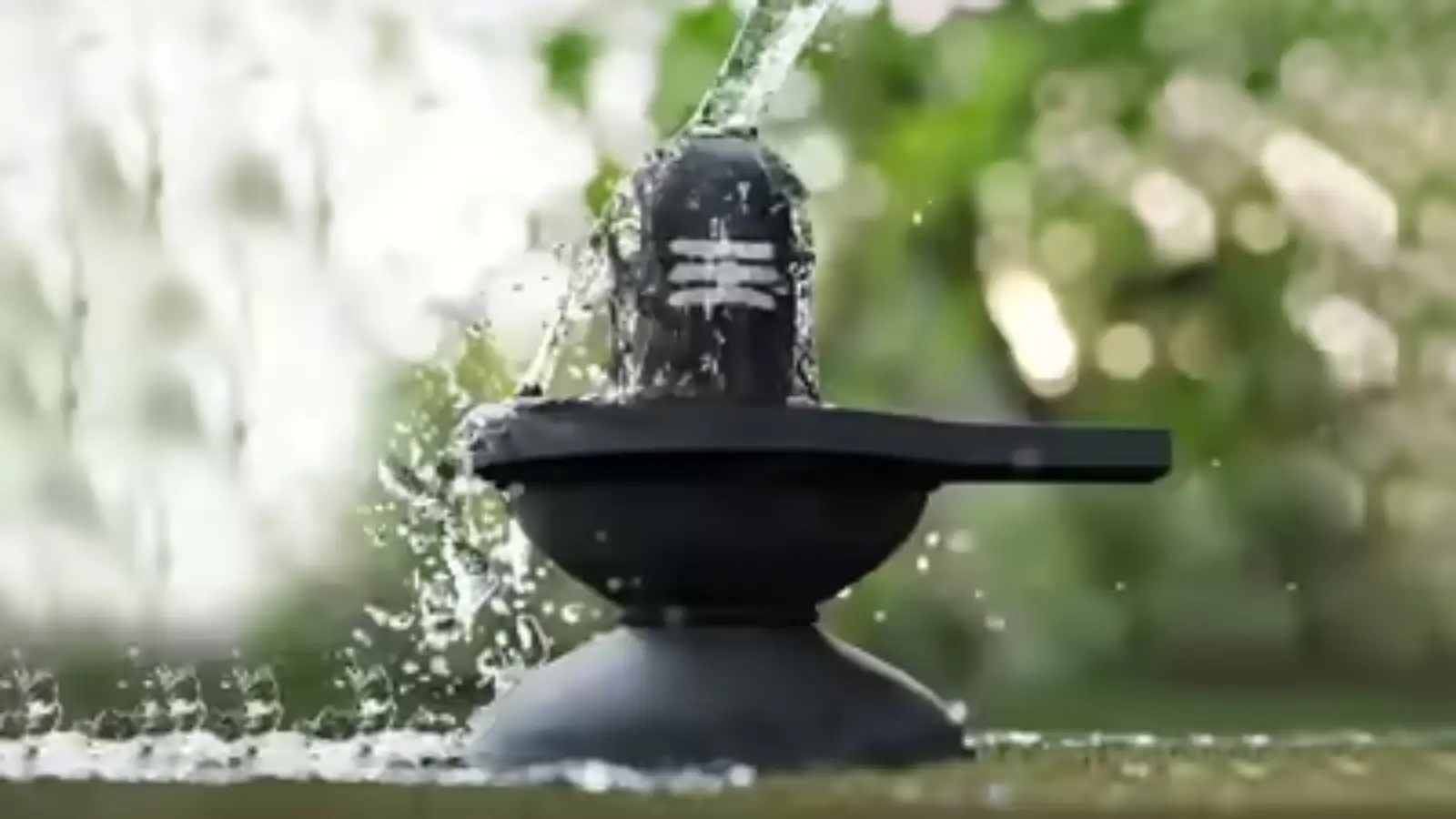
What Do the Shiv Purana and Skanda Purana Say About Keeping a Shivling at Home?
According to the Shiv Purana and Skanda Purana, keeping a Shivling at home is considered sacred and auspicious. However, these scriptures also mention that the Shivling should be of an appropriate size and should receive regular worship.
Religious traditions recommend that the Shivling installed at home should not be larger than the size of a person's thumb, which is generally around 2 to 3 inches in height. A smaller Shivling is considered suitable for daily household worship and is easier to maintain according to traditional practices.
Which Shivling Is Considered Best for Home Worship?
Many priests and spiritual scholars recommend choosing a Parad Shivling or a Narmadeshwar Shivling for home temples.
These two types of Shivlings are widely regarded as highly auspicious and are believed to bring positive spiritual energy into the household. Along with the Shivling, devotees often place idols of Lord Shiva's family (Shiv Parivar) in the home temple to complete the sacred setup.
Another important traditional guideline is the placement of the Jaladhari, the base through which the water offered during abhishek flows. It should ideally face the north direction.
What Is a Narmadeshwar Shivling?
A Narmadeshwar Shivling is a naturally formed stone collected from the holy Narmada River. According to Hindu beliefs, Lord Shiva blessed the Narmada River by declaring that every stone found along its banks would be regarded as a Shivling.
Because of this belief, Narmadeshwar Shivlings are considered Swayambhu, meaning self-manifested.
One of the key reasons devotees prefer this Shivling is that it traditionally does not require elaborate consecration rituals (Pran Pratishtha) before installation. It can be respectfully placed in the home temple and worshipped according to customary practices.
What Is a Parad Shivling?
A Parad Shivling is crafted from purified mercury and is considered one of the rarest forms of Shivling in Hindu tradition.
Devotees believe that worshipping a Parad Shivling invites prosperity, good health, success, wealth and honour into life. It is also traditionally associated with reducing the effects of Navagraha Doshas, or planetary imbalances, making it especially significant for many followers of Lord Shiva.
Important Rules for Keeping and Worshipping a Shivling at Home
Following traditional practices is considered an important part of Shivling worship . Here are some commonly observed guidelines:
Why Daily Worship Is Considered Important
According to Hindu tradition, installing a Shivling at home also brings the responsibility of regular worship. Daily offerings of water, prayers and devotion are believed to strengthen one's spiritual connection with Lord Shiva. Even simple acts of worship performed with sincerity are considered meaningful in Shaivite traditions.
The Shiv Purana and Skanda Purana indicate that keeping a Shivling at home is considered auspicious when done according to traditional guidelines. Choosing an appropriately sized Shivling, placing it correctly, and performing regular worship are regarded as essential aspects of home worship. Whether you choose a Narmadeshwar Shivling or a Parad Shivling, devotion, discipline and respect for tradition remain at the heart of Lord Shiva's worship.
What Do the Shiv Purana and Skanda Purana Say About Keeping a Shivling at Home?
According to the Shiv Purana and Skanda Purana, keeping a Shivling at home is considered sacred and auspicious. However, these scriptures also mention that the Shivling should be of an appropriate size and should receive regular worship.
Religious traditions recommend that the Shivling installed at home should not be larger than the size of a person's thumb, which is generally around 2 to 3 inches in height. A smaller Shivling is considered suitable for daily household worship and is easier to maintain according to traditional practices.
Which Shivling Is Considered Best for Home Worship?
Many priests and spiritual scholars recommend choosing a Parad Shivling or a Narmadeshwar Shivling for home temples.
These two types of Shivlings are widely regarded as highly auspicious and are believed to bring positive spiritual energy into the household. Along with the Shivling, devotees often place idols of Lord Shiva's family (Shiv Parivar) in the home temple to complete the sacred setup.
You may also like
- Guru Purnima 2026: Date, timings, puja rituals and significance
- Ashadha Purnima 2026: Date, timings, puja rituals and significance
- Sawan 2026 Calendar: Full List of Somwar Vrat, Shivratri, Pradosh, Ekadashi, and Purnima Dates
- Guru Purnima Full Moon: 4 Zodiac Signs Set to Receive Divine Guidance
- Ashadha Chaumasi Chaudas 2026: Date, Shubh Muhurat, Puja Vidhi, and Significance
Another important traditional guideline is the placement of the Jaladhari, the base through which the water offered during abhishek flows. It should ideally face the north direction.
What Is a Narmadeshwar Shivling?
A Narmadeshwar Shivling is a naturally formed stone collected from the holy Narmada River. According to Hindu beliefs, Lord Shiva blessed the Narmada River by declaring that every stone found along its banks would be regarded as a Shivling.
Because of this belief, Narmadeshwar Shivlings are considered Swayambhu, meaning self-manifested.
One of the key reasons devotees prefer this Shivling is that it traditionally does not require elaborate consecration rituals (Pran Pratishtha) before installation. It can be respectfully placed in the home temple and worshipped according to customary practices.
What Is a Parad Shivling?
A Parad Shivling is crafted from purified mercury and is considered one of the rarest forms of Shivling in Hindu tradition.
Devotees believe that worshipping a Parad Shivling invites prosperity, good health, success, wealth and honour into life. It is also traditionally associated with reducing the effects of Navagraha Doshas, or planetary imbalances, making it especially significant for many followers of Lord Shiva.
Important Rules for Keeping and Worshipping a Shivling at Home
Following traditional practices is considered an important part of Shivling worship . Here are some commonly observed guidelines:
- Install a Shivling that is approximately 2 to 3 inches in height.
- Ensure that the Jaladhari faces north.
- Offer water (Jalabhishek) to the Shivling every day if possible.
- Face the north direction while performing Jalabhishek.
- Offer bel (bael) leaves during daily worship whenever available.
- Chant the sacred mantra "Om Namah Shivaya" while performing the abhishek.
- Conclude the worship by performing Lord Shiva's aarti.
Why Daily Worship Is Considered Important
According to Hindu tradition, installing a Shivling at home also brings the responsibility of regular worship. Daily offerings of water, prayers and devotion are believed to strengthen one's spiritual connection with Lord Shiva. Even simple acts of worship performed with sincerity are considered meaningful in Shaivite traditions.
The Shiv Purana and Skanda Purana indicate that keeping a Shivling at home is considered auspicious when done according to traditional guidelines. Choosing an appropriately sized Shivling, placing it correctly, and performing regular worship are regarded as essential aspects of home worship. Whether you choose a Narmadeshwar Shivling or a Parad Shivling, devotion, discipline and respect for tradition remain at the heart of Lord Shiva's worship.






Loving Newspoint? Download the app now
