
Diwali 2026: Why Are Five Diyas Lit? Know Their Religious Significance

Diwali 2026 will be celebrated on November 8, bringing with it the joy of family gatherings, beautifully decorated homes, and the warm glow of traditional earthen lamps. While lighting diyas is one of the most important customs of the festival, many people may not know why five lamps are traditionally lit in different parts of the house and its surroundings. Rooted in long-standing Hindu customs and religious beliefs, this practice is associated with prosperity, positivity, and the removal of darkness. Here is what the five diyas symbolise, where they are traditionally placed, and the auspicious timings for Lakshmi Puja.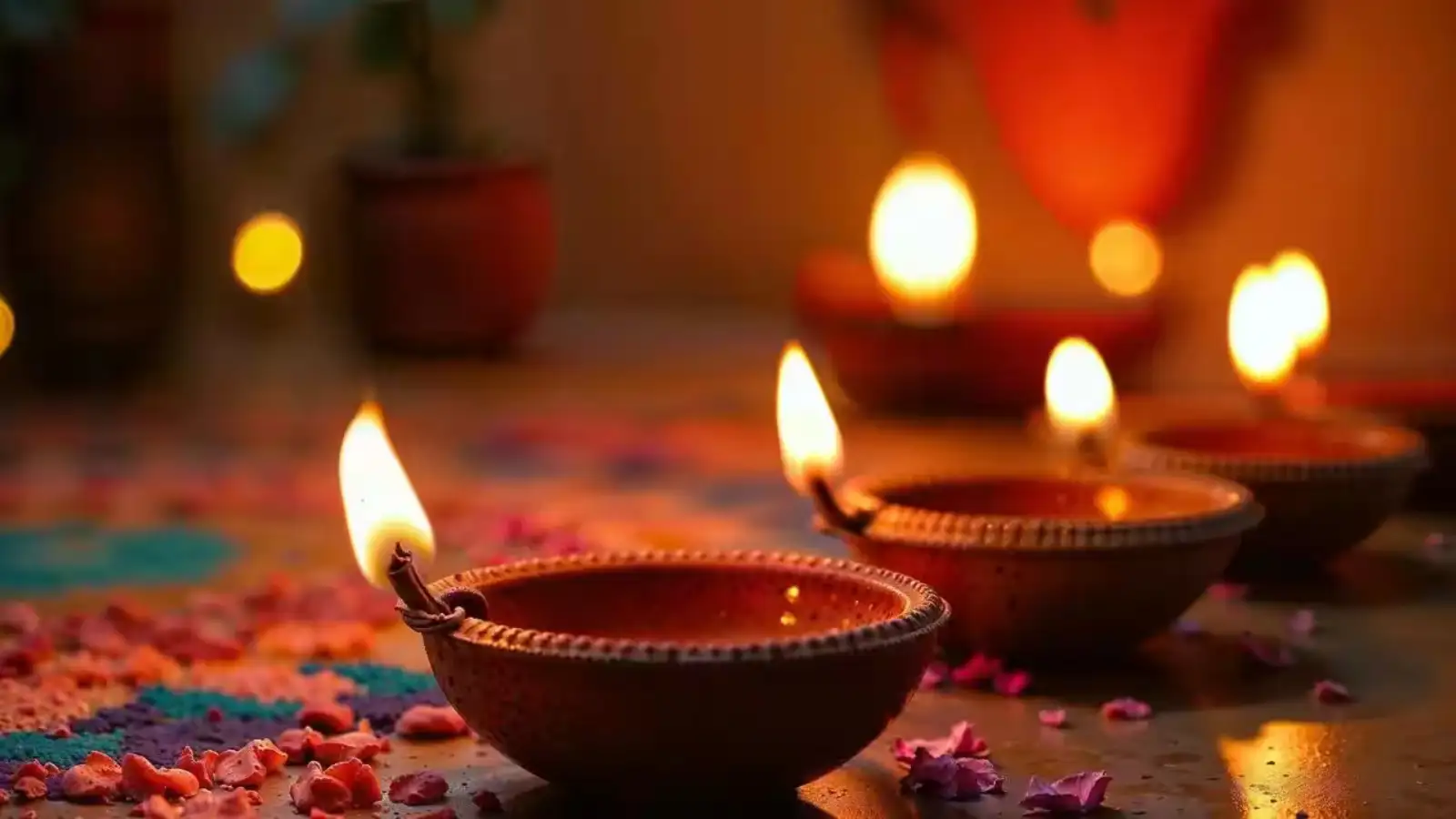
According to the popular Hindu tradition associated with Diwali, people in Ayodhya lit rows of lamps to welcome Lord Ram, Goddess Sita, and Lakshman after their return from 14 years of exile. This story has become a central part of the festival's symbolism, representing the triumph of good over evil and light over darkness.
Today, lighting diyas remains an important part of Diwali celebrations, with many families following customs passed down through generations.
According to popular religious beliefs, lighting diyas after the evening puja helps create an auspicious atmosphere at home. The lamps symbolise hope, positivity, and the desire for happiness and well-being in the coming year.
Many families also light lamps as a prayer for financial stability, peace, and freedom from difficulties.
First diya – In the place of worship: The first lamp is lit near the household temple or the place where Lakshmi and Ganesha are worshipped. It represents devotion and the seeking of divine blessings.
Second diya – In the kitchen: The second lamp is traditionally associated with the kitchen, which represents nourishment, food, and abundance for the family.
Third diya – Near a Peepal tree or in a field: In some customs, a lamp is placed near a Peepal tree or in an agricultural field. This practice reflects reverence for nature and prayers for well-being and prosperity.
Fourth diya – Near a water storage area: The fourth lamp is placed near a traditional water storage area, symbolising the importance of water as a source of life and sustenance.
Fifth diya – At the main entrance: The final lamp is placed near the main entrance of the house. It symbolises welcome, positivity, and the hope that happiness and prosperity will enter the home.
These placements may differ across regions and families, so people generally follow the customs and traditions observed in their households.
According to the timings provided for Diwali 2026, the important dates and timings are as follows:
The soft glow of earthen lamps represents hope, knowledge, peace, and new beginnings. Lighting them is also a way for families to preserve cultural traditions and create a welcoming atmosphere during the festival.
Whether people light five diyas or decorate their homes with rows of lamps, the underlying sentiment remains the same: to invite positivity, express gratitude, and celebrate the hope of a happier and more prosperous future.
The tradition of lighting five diyas on Diwali brings together faith, symbolism, and customs passed down through generations. From representing the five elements to being placed in the prayer room, kitchen, near water, and at the entrance, the lamps carry messages of gratitude, devotion, and prosperity. As Diwali 2026 approaches, understanding the meaning behind these rituals can make the festival even more meaningful while helping families celebrate their traditions with greater awareness.
When Is Diwali in 2026?
Diwali will fall on Sunday, November 8, 2026, coinciding with Kartik Amavasya, the new moon day in the Hindu lunar calendar. The festival is celebrated with prayers, sweets, family gatherings, and the lighting of diyas.According to the popular Hindu tradition associated with Diwali, people in Ayodhya lit rows of lamps to welcome Lord Ram, Goddess Sita, and Lakshman after their return from 14 years of exile. This story has become a central part of the festival's symbolism, representing the triumph of good over evil and light over darkness.
Today, lighting diyas remains an important part of Diwali celebrations, with many families following customs passed down through generations.
Why Are Five Diyas Lit on Diwali?
Lighting five diyas on Diwali is considered auspicious in several Hindu traditions. Although there is no single universal rule prescribing this exact practice for every household, the custom carries spiritual and symbolic significance.1. The Five Lamps Represent the Five Elements
One traditional interpretation connects the five diyas with the Pancha Bhuta, or the five elements believed to form the basis of creation. These are:- Earth: Represents stability, strength, and nourishment.
- Water: Symbolises purity, life, and renewal.
- Fire: Represents energy, transformation, and light.
- Air: Symbolises movement, breath, and vitality.
- Ether or Space: Represents openness and the space in which everything exists.
2. Five Diyas Symbolise Positivity and Prosperity
Diwali is closely associated with the worship of Goddess Lakshmi, who is revered as the goddess of wealth and prosperity, and Lord Ganesha, who is worshipped for wisdom and the removal of obstacles.According to popular religious beliefs, lighting diyas after the evening puja helps create an auspicious atmosphere at home. The lamps symbolise hope, positivity, and the desire for happiness and well-being in the coming year.
Many families also light lamps as a prayer for financial stability, peace, and freedom from difficulties.
Where Should You Place the Five Diyas on Diwali?
In some traditional practices, five diyas are placed at different locations around the home and its surroundings. Each location has its own customary significance.First diya – In the place of worship: The first lamp is lit near the household temple or the place where Lakshmi and Ganesha are worshipped. It represents devotion and the seeking of divine blessings.
Second diya – In the kitchen: The second lamp is traditionally associated with the kitchen, which represents nourishment, food, and abundance for the family.
Third diya – Near a Peepal tree or in a field: In some customs, a lamp is placed near a Peepal tree or in an agricultural field. This practice reflects reverence for nature and prayers for well-being and prosperity.
Fourth diya – Near a water storage area: The fourth lamp is placed near a traditional water storage area, symbolising the importance of water as a source of life and sustenance.
Fifth diya – At the main entrance: The final lamp is placed near the main entrance of the house. It symbolises welcome, positivity, and the hope that happiness and prosperity will enter the home.
These placements may differ across regions and families, so people generally follow the customs and traditions observed in their households.
Diwali 2026 Lakshmi Puja Muhurat
Lakshmi Puja is one of the most significant rituals performed on Diwali. Devotees worship Goddess Lakshmi and Lord Ganesha, light diyas, and pray for prosperity, wisdom, and happiness.According to the timings provided for Diwali 2026, the important dates and timings are as follows:
- Diwali date: Sunday, November 8, 2026
- Amavasya Tithi begins: November 8 at 11:27 AM
- Amavasya Tithi ends: November 9 at 12:31 PM
- Lakshmi Puja Muhurat: 5:54 PM to 7:50 PM
- Pradosh Kaal: 5:31 PM to 8:09 PM
What Is the Significance of Lighting Diyas on Diwali?
Beyond their religious importance, diyas are a powerful symbol of Diwali's central message: light can overcome darkness, and goodness can triumph over evil.The soft glow of earthen lamps represents hope, knowledge, peace, and new beginnings. Lighting them is also a way for families to preserve cultural traditions and create a welcoming atmosphere during the festival.
Whether people light five diyas or decorate their homes with rows of lamps, the underlying sentiment remains the same: to invite positivity, express gratitude, and celebrate the hope of a happier and more prosperous future.
The tradition of lighting five diyas on Diwali brings together faith, symbolism, and customs passed down through generations. From representing the five elements to being placed in the prayer room, kitchen, near water, and at the entrance, the lamps carry messages of gratitude, devotion, and prosperity. As Diwali 2026 approaches, understanding the meaning behind these rituals can make the festival even more meaningful while helping families celebrate their traditions with greater awareness.
Next Story