
Navratri 2026 Day 5: Maa Skandamata Puja Time, Yellow Colour, Bhog, Mantra and Puja Vidhi

Navratri 2026 Day 5 will be observed on Thursday, October 15, when devotees will worship Maa Skandamata , the fifth manifestation of Goddess Durga. The fifth day of Sharad Navratri is dedicated to divine motherhood, compassion, courage and protection. According to Hindu traditions, Maa Skandamata is the mother of Lord Kartikeya, also known as Skanda, and is worshipped for blessings of happiness, peace and family well-being. Yellow is the colour associated with the day, while bananas are among the traditional offerings made to the goddess. Devotees also recite sacred mantras and perform special puja rituals to seek her blessings.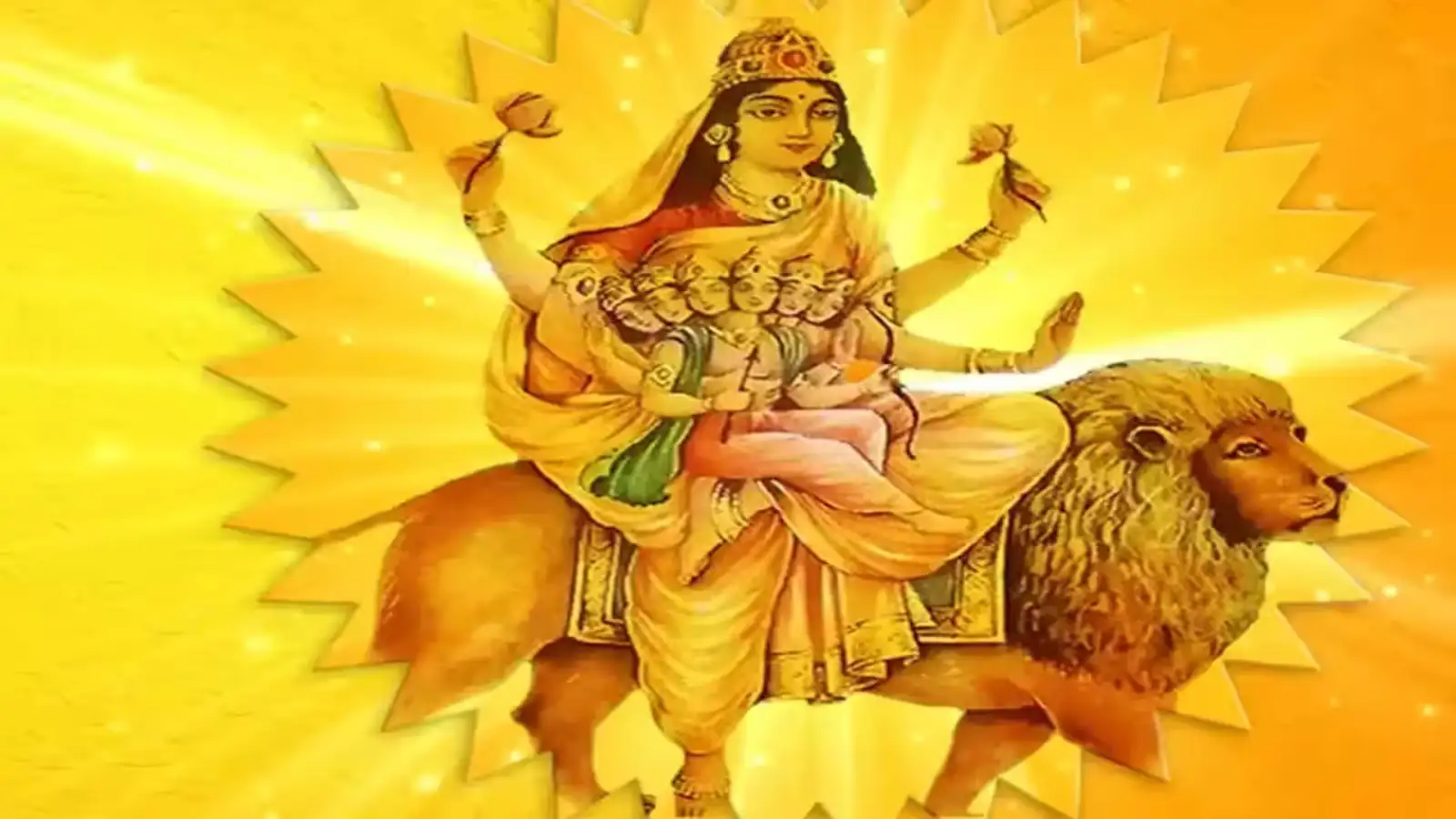
According to the Hindu calendar timings provided by Drik Panchang, the Panchami Tithi will begin and end at the following times:
Maa Skandamata represents the nurturing and protective nature of a mother. Her form reflects the belief that love, compassion and strength can work together to protect loved ones and overcome challenges.
She is traditionally depicted with four arms, holding lotus flowers in two of her hands while carrying young Skanda in another. Her remaining hand is shown in a blessing gesture, symbolising grace and protection.
The goddess is often portrayed seated on a lotus, which is why she is also associated with the name Padmasana Devi. Her divine appearance combines maternal affection with spiritual strength, making her worship significant for devotees seeking peace, courage and prosperity.
Devotees may wear yellow clothes while offering prayers to Maa Skandamata. Yellow flowers and decorations can also be used to create an auspicious atmosphere in the puja area.
Although the colour adds a festive touch to the celebration, the central focus of the day remains devotion, prayer and the worship of the goddess.
Depending on family customs and regional practices, worshippers may also offer other fruits, sweets and traditional preparations. The choice of offerings can vary between households and temples.
Before the puja, devotees generally arrange the bhog in a clean plate and offer it with prayers. The food is subsequently shared with family members and other devotees as a symbol of divine blessings.
English Transliteration: Om Devi Skandamatayai Namah.
Meaning: I bow to Goddess Skandamata and seek her divine blessings.
Devotees traditionally chant this mantra with faith and concentration, praying for strength, peace and protection for their families.
Dhyan Mantra:
सिंहासनगता नित्यं पद्माश्रितकरद्वया।
शुभदास्तु सदा देवी स्कन्दमाता यशस्विनी॥
English Transliteration:
Simhasanagata Nityam Padmashritakaradvaya,
Shubhadastu Sada Devi Skandamata Yashasvini.
The verse describes the goddess in her divine form and expresses a prayer for her auspicious blessings. Devotees may recite it during meditation or as part of their Navratri worship.
According to Hindu mythology, Tarakasura performed intense penance to please Lord Brahma and received a boon that made him extremely difficult to defeat. He could be killed only by a son of Lord Shiva. Believing that Shiva would remain absorbed in meditation and never marry again, Tarakasura assumed that no one could challenge his power.
As the demon began troubling the gods, they sought a way to restore peace. Lord Shiva eventually married Goddess Parvati, and their union led to the birth of Skanda, also known as Kartikeya.
As he grew, Kartikeya became the commander of the divine army and confronted Tarakasura. He ultimately defeated the demon, bringing an end to his oppression and restoring peace among the gods.
Maa Skandamata represents the maternal aspect of Goddess Parvati who nurtures and protects Skanda. Her worship celebrates the strength of motherhood and the role of divine guidance in overcoming adversity.
Her association with Kartikeya, the warrior deity, also highlights the importance of strength and determination when facing difficulties. The goddess reminds devotees that kindness does not mean weakness and that compassion can exist alongside courage.
People worship Maa Skandamata to seek blessings for their families, children, prosperity and emotional well-being. Her form also encourages devotees to approach life's challenges with patience, faith and confidence.
The lotus grows in muddy water while remaining distinct from its surroundings. It is therefore commonly viewed as a symbol of maintaining purity and balance despite life's difficulties.
Maa Skandamata's lotus seat adds spiritual significance to her form, representing inner strength, divine grace and the possibility of spiritual progress. Her association with the lotus also explains why she is known by the name Padmasana Devi in traditional descriptions.
The first five days are dedicated to the following manifestations:
Devotees can perform the puja by preparing a clean altar, offering flowers and bhog, chanting the Maa Skandamata mantra and performing aarti. They may also recite her dhyan mantra while meditating on her divine form.
As the fifth manifestation of Goddess Durga, Maa Skandamata represents the strength of motherhood, compassion and divine protection. Her worship offers devotees an opportunity to pray for peace, happiness, family well-being and the courage to face life's challenges.
Navratri 2026 Day 5: Date and Panchami Tithi
The fifth day of Sharad Navratri falls on October 15, 2026. It corresponds to Ashwin Shukla Panchami and is dedicated to Maa Skandamata, the fifth goddess among the nine forms of Navdurga.According to the Hindu calendar timings provided by Drik Panchang, the Panchami Tithi will begin and end at the following times:
- Day: Thursday, October 15, 2026
- Panchami Tithi Begins: 1:14 AM on October 15
- Panchami Tithi Ends: 3:19 AM on October 16
- Goddess Worshipped: Maa Skandamata
- Navratri Day 5 Colour : Yellow
- Traditional Bhog: Banana
Who Is Maa Skandamata? Know Her Significance
Maa Skandamata is the fifth form of Goddess Durga worshipped during the nine days of Navratri. Her name comes from Skanda, another name for Lord Kartikeya, the son of Goddess Parvati and Lord Shiva. In Hindu mythology, Kartikeya is known as the commander of the divine army and a powerful warrior deity.Maa Skandamata represents the nurturing and protective nature of a mother. Her form reflects the belief that love, compassion and strength can work together to protect loved ones and overcome challenges.
She is traditionally depicted with four arms, holding lotus flowers in two of her hands while carrying young Skanda in another. Her remaining hand is shown in a blessing gesture, symbolising grace and protection.
The goddess is often portrayed seated on a lotus, which is why she is also associated with the name Padmasana Devi. Her divine appearance combines maternal affection with spiritual strength, making her worship significant for devotees seeking peace, courage and prosperity.
Navratri Day 5 Colour 2026: Why Is Yellow Auspicious?
Yellow is the traditional colour associated with Navratri Day 5 in 2026. The colour is commonly linked with happiness, optimism, warmth and positive energy. It also represents brightness, knowledge and spiritual illumination in various Indian traditions.Devotees may wear yellow clothes while offering prayers to Maa Skandamata. Yellow flowers and decorations can also be used to create an auspicious atmosphere in the puja area.
Although the colour adds a festive touch to the celebration, the central focus of the day remains devotion, prayer and the worship of the goddess.
Maa Skandamata Bhog : What Should You Offer?
Bananas are traditionally offered to Maa Skandamata during Navratri Day 5. Devotees may place fresh, ripe bananas before the goddess as bhog and later distribute the offering as prasad.Depending on family customs and regional practices, worshippers may also offer other fruits, sweets and traditional preparations. The choice of offerings can vary between households and temples.
Before the puja, devotees generally arrange the bhog in a clean plate and offer it with prayers. The food is subsequently shared with family members and other devotees as a symbol of divine blessings.
Maa Skandamata Puja Vidhi : Step-by-Step Worship Rituals
Devotees can follow these traditional steps to worship Maa Skandamata on the fifth day of Navratri:- Take a bath: Begin the day by bathing and wearing clean clothes, preferably yellow if following the day's traditional colour.
- Prepare the puja area: Clean the place of worship and arrange the idol or picture of Maa Skandamata.
- Light a diya: Light a lamp and begin the prayers with an invocation to Lord Ganesha.
- Offer prayers to the Kalash: If a Kalash and Akhand Jyoti were established during Ghatasthapana, offer prayers according to family tradition.
- Present puja offerings: Offer flowers, kumkum, sandalwood and other customary items to the goddess.
- Prepare the bhog: Place bananas and other traditional offerings before Maa Skandamata.
- Chant the mantra: Recite the goddess's sacred mantra and, if desired, her traditional dhyan verse.
- Perform aarti: Conclude the main worship with aarti and prayers for happiness, peace, strength and well-being.
- Distribute prasad: Share the offerings with family members and devotees.
Maa Skandamata Mantra for Navratri Day 5
Chanting the Maa Skandamata mantra is an important part of worship on the fifth day of Navratri. Devotees may recite it while offering flowers or meditating on the goddess.Maa Skandamata Mantra:
ॐ देवी स्कन्दमातायै नमः॥English Transliteration: Om Devi Skandamatayai Namah.
Meaning: I bow to Goddess Skandamata and seek her divine blessings.
Devotees traditionally chant this mantra with faith and concentration, praying for strength, peace and protection for their families.
Maa Skandamata Dhyan Mantra
A traditional verse associated with Maa Skandamata praises her divine form and seeks her blessings.Dhyan Mantra:
सिंहासनगता नित्यं पद्माश्रितकरद्वया।
शुभदास्तु सदा देवी स्कन्दमाता यशस्विनी॥
English Transliteration:
Simhasanagata Nityam Padmashritakaradvaya,
Shubhadastu Sada Devi Skandamata Yashasvini.
The verse describes the goddess in her divine form and expresses a prayer for her auspicious blessings. Devotees may recite it during meditation or as part of their Navratri worship.
The Legend of Maa Skandamata and Lord Kartikeya
The story of Maa Skandamata is closely connected with the birth of Lord Kartikeya and his victory over the demon Tarakasura.According to Hindu mythology, Tarakasura performed intense penance to please Lord Brahma and received a boon that made him extremely difficult to defeat. He could be killed only by a son of Lord Shiva. Believing that Shiva would remain absorbed in meditation and never marry again, Tarakasura assumed that no one could challenge his power.
As the demon began troubling the gods, they sought a way to restore peace. Lord Shiva eventually married Goddess Parvati, and their union led to the birth of Skanda, also known as Kartikeya.
As he grew, Kartikeya became the commander of the divine army and confronted Tarakasura. He ultimately defeated the demon, bringing an end to his oppression and restoring peace among the gods.
Maa Skandamata represents the maternal aspect of Goddess Parvati who nurtures and protects Skanda. Her worship celebrates the strength of motherhood and the role of divine guidance in overcoming adversity.
What Does Maa Skandamata Symbolise?
Maa Skandamata embodies the powerful combination of maternal love, courage, compassion and protection. Her image of holding young Kartikeya represents a mother's affection and her commitment to nurturing and safeguarding her child.Her association with Kartikeya, the warrior deity, also highlights the importance of strength and determination when facing difficulties. The goddess reminds devotees that kindness does not mean weakness and that compassion can exist alongside courage.
People worship Maa Skandamata to seek blessings for their families, children, prosperity and emotional well-being. Her form also encourages devotees to approach life's challenges with patience, faith and confidence.
Why Is Maa Skandamata Seated on a Lotus?
The lotus is an important symbol in Hindu religious traditions and is often associated with purity, spiritual growth and enlightenment. Maa Skandamata's depiction seated on a lotus highlights these qualities.The lotus grows in muddy water while remaining distinct from its surroundings. It is therefore commonly viewed as a symbol of maintaining purity and balance despite life's difficulties.
You may also like
- Navratri 2026: 7 Flowers to offer Maa Durga for wealth, protection, love and success
- Maa Kushmanda mantras and remedies for creativity, fertility and inner energy in Sharad Navratri 2026
- Sharad Navratri 2026: Maa Kushmanda and the smile that lit the first darkness
- Maa Chandraghanta Puja Muhurat, Vishakha Nakshatra, and Avoid Rahukaal Today
- How Hanuman's Encounter With Surasa Unlocks the Art of Winning Without Fighting
Maa Skandamata's lotus seat adds spiritual significance to her form, representing inner strength, divine grace and the possibility of spiritual progress. Her association with the lotus also explains why she is known by the name Padmasana Devi in traditional descriptions.
Navratri Day 5: Maa Skandamata and the Nine Forms of Durga
Each day of Sharad Navratri is dedicated to one of the nine forms of Goddess Durga, collectively known as Navdurga. The sequence represents different aspects of divine power and spiritual devotion.The first five days are dedicated to the following manifestations:
- Day 1 – Maa Shailputri: Associated with nature, strength and new beginnings.
- Day 2 – Maa Brahmacharini: Represents devotion, discipline and perseverance.
- Day 3 – Maa Chandraghanta: Symbolises courage, protection and readiness to fight evil.
- Day 4 – Maa Kushmanda: Associated with creation, energy and vitality.
- Day 5 – Maa Skandamata: Represents motherhood, compassion, protection and strength.
Navratri 2026 Day 5: Key Things to Remember
Sharad Navratri Day 5 will be celebrated on Thursday, October 15, 2026, with prayers dedicated to Maa Skandamata. The day is associated with the colour yellow, and bananas are among the traditional offerings made to the goddess.Devotees can perform the puja by preparing a clean altar, offering flowers and bhog, chanting the Maa Skandamata mantra and performing aarti. They may also recite her dhyan mantra while meditating on her divine form.
As the fifth manifestation of Goddess Durga, Maa Skandamata represents the strength of motherhood, compassion and divine protection. Her worship offers devotees an opportunity to pray for peace, happiness, family well-being and the courage to face life's challenges.






Loving Newspoint? Download the app now
