
Navratri 2026: Offer These 7 Flowers to Maa Durga for Wealth, Love and Success

Navratri 2026 is an auspicious time to worship Maa Durga and seek her blessings for prosperity, courage, happiness and success. Flowers hold a special place in Hindu rituals, and devotees often choose them according to their availability and religious significance. From the vibrant red hibiscus to the delicate lotus, different flowers are associated with different aspects of Devi worship. If you are planning your Navratri puja, here are seven flowers you can offer Maa Durga while praying for wealth, protection, love, peace and success.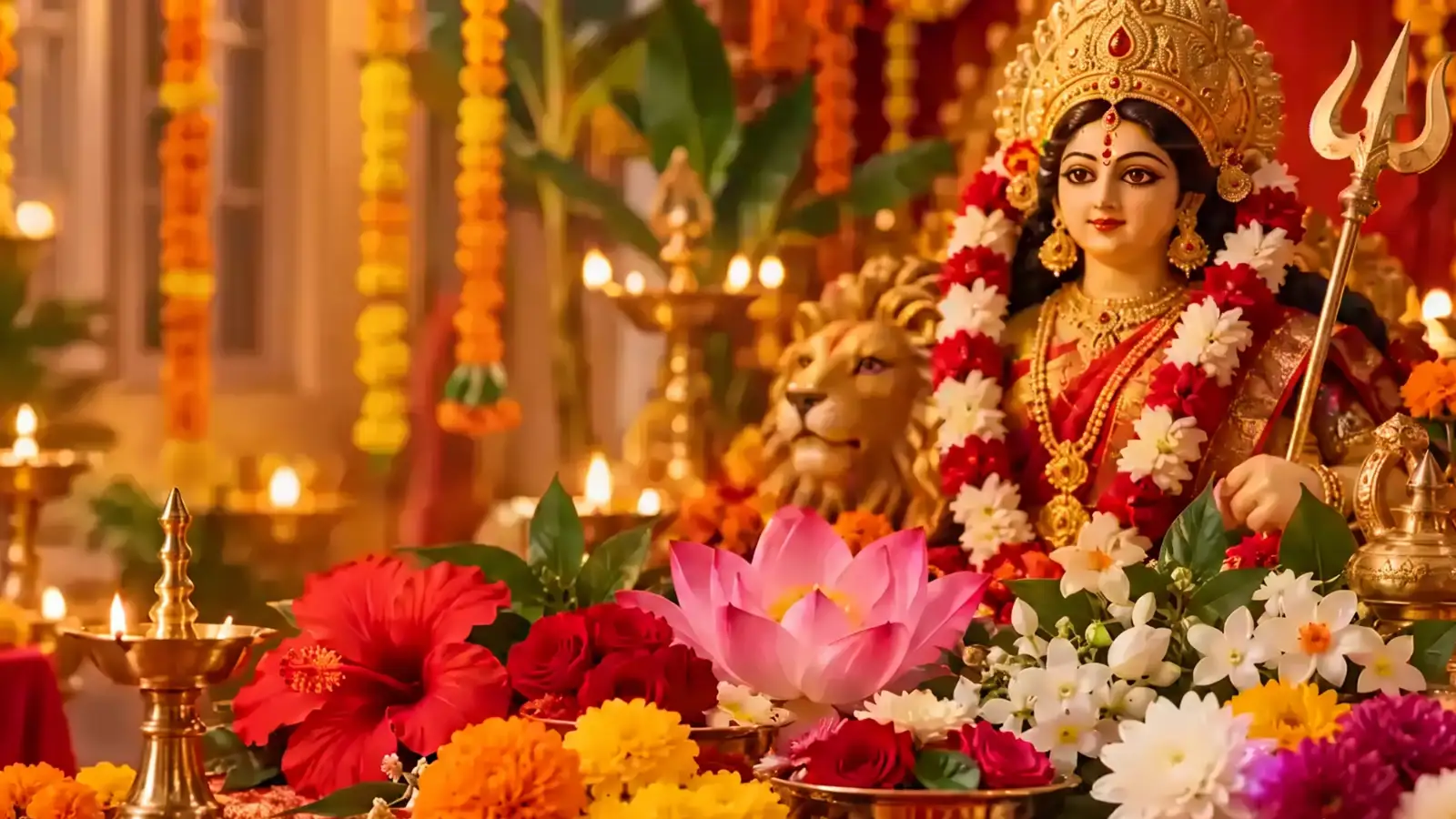
Devotees can offer red hibiscus to Maa Durga while seeking courage to overcome challenges, protection from negativity and strength during difficult times. It is a meaningful choice for those dealing with uncertainty, personal struggles or obstacles that require determination.
While offering the flower, you can pray for the confidence to face challenges with a calm mind and a fearless attitude. The ritual can also serve as a reminder to trust your abilities and approach difficult situations with resilience.
Also Read: Navratri 2026: 9 Crystals to Bring Home for Navdurga Blessings and Positive Energy
If your prayers during Navratri focus on financial stability, business growth or new professional opportunities, you may consider offering a lotus as part of your devotional practice. Its symbolism can also inspire a balanced approach to prosperity, reminding devotees that true abundance involves using resources wisely and responsibly.
Although fresh lotus flowers may not be available everywhere, you can choose another fresh flower that is suitable for your family's puja traditions. Your devotion and sincerity remain central to the prayer.
The flower can be a thoughtful addition to prayers for resolving misunderstandings and building a more peaceful home environment. It also provides an opportunity to reflect on the importance of patience, kindness and open communication in relationships.
Along with your offering, consider taking a small step towards improving a relationship. A sincere apology, a thoughtful conversation or an effort to resolve an old disagreement can help bring the spirit of your prayer into everyday life.
You can offer fresh mogra to Maa Durga while praying for peace of mind, emotional balance and happiness within your home. Its association with purity and tranquillity makes it a suitable option for devotees who want to make their Navratri worship a moment of calm amid busy daily routines.
A few fresh flowers placed neatly in your puja space can be enough. You do not need elaborate decorations to create a peaceful setting for prayer and reflection.
If you plan to recite the Durga Saptashati, chant mantras or spend more time in prayer during Navratri, jasmine can be a meaningful offering. It is associated with purity and devotion, making it appropriate for those seeking a deeper spiritual connection.
You can also use the nine-day festival to develop a regular spiritual practice. Choose a mantra, prayer or devotional reading that fits your daily schedule and try to continue it even after Navratri ends.
During Navratri, you may choose to offer Parijat while praying for the health, happiness and well-being of your family. It can also serve as a personal symbol of gratitude towards parents, elders and loved ones.
For devotees who include prayers for their ancestors in their spiritual practice, the flower may hold additional personal significance. However, such associations can vary across families and regional traditions, so it is best to follow the customs observed in your household.
Also Read: Navratri 2026: Why Is Sendha Namak Used During Fasting Instead of Table Salt?
You can consider offering Aparajita to Maa Durga if you are preparing for an important examination, pursuing a career goal, facing professional competition or working to overcome a persistent obstacle.
As you make your offering, pray for determination, clarity and the courage to keep moving forward. The flower's symbolism can be a reminder that success often requires consistent effort, patience and the willingness to learn from setbacks.
Whether you are working towards a personal milestone or hoping for progress in your professional life, let your prayer inspire you to take practical steps towards your goal.
However, the benefits associated with these flowers should be understood as matters of religious belief and tradition rather than guaranteed outcomes. You can choose flowers according to your faith, family customs and availability, while using the nine days of Navratri to strengthen your spiritual practice and work towards the goals that matter to you.
1. Red Hibiscus for Courage and Protection
Red hibiscus, popularly known as Gudhal, is closely associated with Goddess Kali and the worship of Shakti. Its striking red colour symbolises strength, energy and the fierce power of the Divine Mother.Devotees can offer red hibiscus to Maa Durga while seeking courage to overcome challenges, protection from negativity and strength during difficult times. It is a meaningful choice for those dealing with uncertainty, personal struggles or obstacles that require determination.
While offering the flower, you can pray for the confidence to face challenges with a calm mind and a fearless attitude. The ritual can also serve as a reminder to trust your abilities and approach difficult situations with resilience.
Also Read: Navratri 2026: 9 Crystals to Bring Home for Navdurga Blessings and Positive Energy
2. Lotus for Wealth and Prosperity
The lotus is widely regarded as a symbol of purity, spiritual growth and prosperity in Hindu traditions. It is particularly associated with Goddess Lakshmi, who represents wealth, abundance and good fortune.If your prayers during Navratri focus on financial stability, business growth or new professional opportunities, you may consider offering a lotus as part of your devotional practice. Its symbolism can also inspire a balanced approach to prosperity, reminding devotees that true abundance involves using resources wisely and responsibly.
Although fresh lotus flowers may not be available everywhere, you can choose another fresh flower that is suitable for your family's puja traditions. Your devotion and sincerity remain central to the prayer.
3. Red Rose for Love and Family Harmony
Red roses are often associated with love, affection and heartfelt emotions. During Navratri, you can offer a red rose to Maa Durga while praying for harmony in marriage, stronger relationships and greater understanding among family members.The flower can be a thoughtful addition to prayers for resolving misunderstandings and building a more peaceful home environment. It also provides an opportunity to reflect on the importance of patience, kindness and open communication in relationships.
Along with your offering, consider taking a small step towards improving a relationship. A sincere apology, a thoughtful conversation or an effort to resolve an old disagreement can help bring the spirit of your prayer into everyday life.
4. Mogra for Peace and Emotional Well-Being
Mogra, also known as Arabian jasmine, is valued for its delicate white flowers and soothing fragrance. It is a popular choice for devotional settings, particularly during evening prayers, when its pleasant aroma can create a calm atmosphere.You can offer fresh mogra to Maa Durga while praying for peace of mind, emotional balance and happiness within your home. Its association with purity and tranquillity makes it a suitable option for devotees who want to make their Navratri worship a moment of calm amid busy daily routines.
A few fresh flowers placed neatly in your puja space can be enough. You do not need elaborate decorations to create a peaceful setting for prayer and reflection.
5. Jasmine for Devotion and Spiritual Growth
Jasmine, commonly called Chameli, is another fragrant flower used in Indian devotional traditions. Its delicate appearance and pleasant scent make it a popular choice for worship and religious offerings.If you plan to recite the Durga Saptashati, chant mantras or spend more time in prayer during Navratri, jasmine can be a meaningful offering. It is associated with purity and devotion, making it appropriate for those seeking a deeper spiritual connection.
You can also use the nine-day festival to develop a regular spiritual practice. Choose a mantra, prayer or devotional reading that fits your daily schedule and try to continue it even after Navratri ends.
6. Parijat for Family Well-Being and Divine Grace
Parijat, also known as Harsingar or night-flowering jasmine, is recognised by its small white petals and distinctive orange centre. The flower has a special place in Indian cultural and devotional traditions.During Navratri, you may choose to offer Parijat while praying for the health, happiness and well-being of your family. It can also serve as a personal symbol of gratitude towards parents, elders and loved ones.
For devotees who include prayers for their ancestors in their spiritual practice, the flower may hold additional personal significance. However, such associations can vary across families and regional traditions, so it is best to follow the customs observed in your household.
Also Read: Navratri 2026: Why Is Sendha Namak Used During Fasting Instead of Table Salt?
7. Aparajita for Victory and Success
Aparajita, commonly known as butterfly pea, is a striking flower whose name means undefeated or unconquered. It is associated with victory and is used in Goddess worship in certain regional traditions.You can consider offering Aparajita to Maa Durga if you are preparing for an important examination, pursuing a career goal, facing professional competition or working to overcome a persistent obstacle.
As you make your offering, pray for determination, clarity and the courage to keep moving forward. The flower's symbolism can be a reminder that success often requires consistent effort, patience and the willingness to learn from setbacks.
Whether you are working towards a personal milestone or hoping for progress in your professional life, let your prayer inspire you to take practical steps towards your goal.
How to Choose Flowers for Maa Durga During Navratri 2026
When selecting flowers for Navratri puja, keep a few simple points in mind:- Choose fresh flowers: Select clean, fresh blooms that are suitable for your worship traditions.
- Follow family customs: Flower offerings and their significance may differ across regions and households.
- Keep the puja space clean: Arrange the flowers neatly and remove wilted blooms as appropriate.
- Offer flowers with devotion: A sincere prayer is more important than an elaborate floral arrangement.
- Avoid waste: Buy only as many flowers as you need for your daily rituals.
However, the benefits associated with these flowers should be understood as matters of religious belief and tradition rather than guaranteed outcomes. You can choose flowers according to your faith, family customs and availability, while using the nine days of Navratri to strengthen your spiritual practice and work towards the goals that matter to you.
Next Story