
Rath Yatra 2026: Why Lord Jagannath Falls Ill for 15 Days Before the Grand Chariot Festival

Rath Yatra 2026 is one of India's most awaited spiritual celebrations, drawing millions of devotees to the sacred city of Puri every year. However, before Lord Jagannath , Lord Balabhadra and Devi Subhadra begin their majestic journey on beautifully decorated chariots, they disappear from public view for 15 days. This sacred phase, known as Anasara, symbolises the deities falling ill after their ceremonial bath and undergoing a period of rest and healing. The centuries-old tradition is one of the most unique rituals associated with the Jagannath temple and beautifully reflects the belief that the divine shares the emotions and experiences of humanity.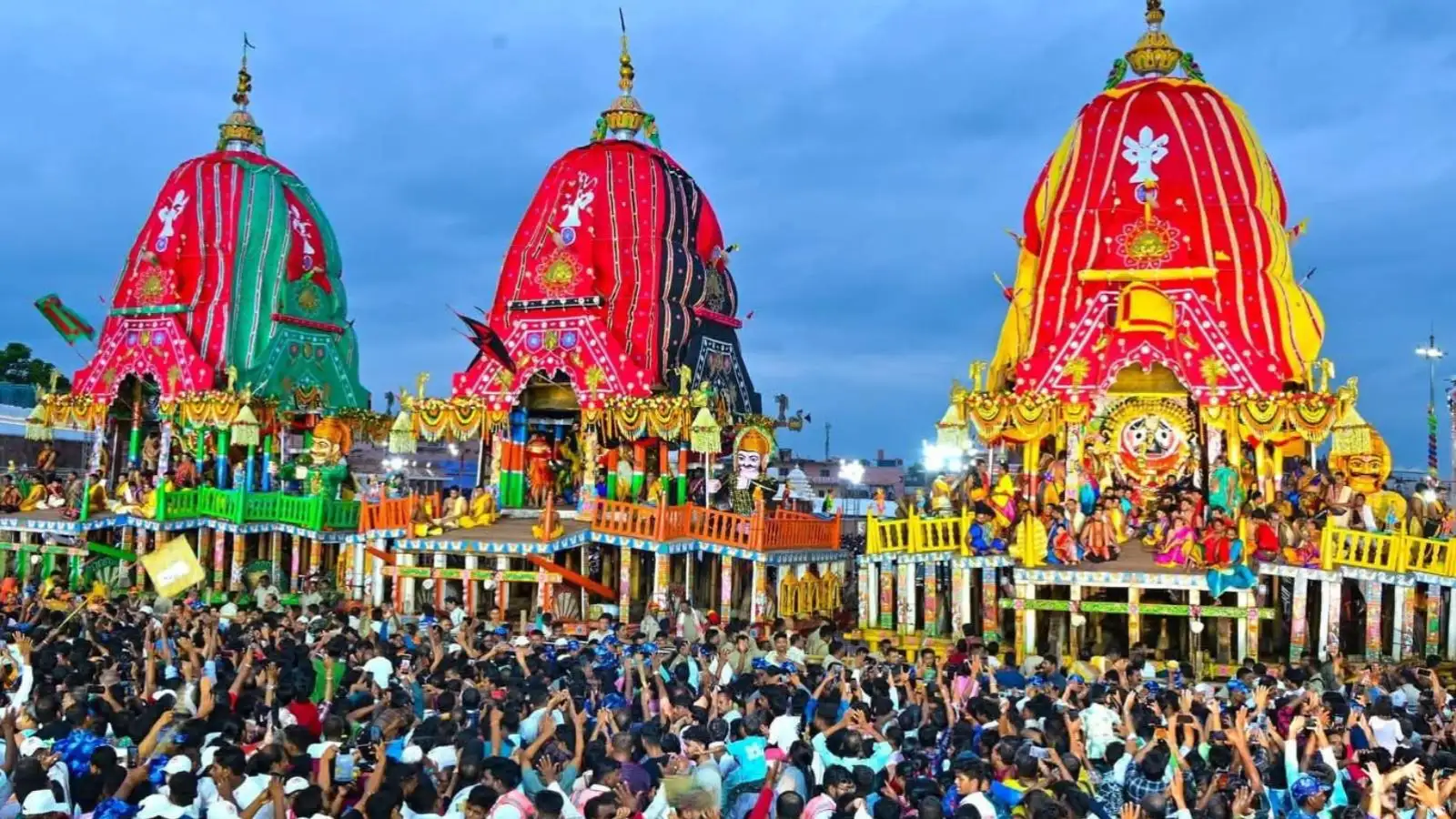
What Is Anasara? The Sacred 15-Day Period Before Rath Yatra
The journey towards Rath Yatra begins with Snana Purnima (Snana Yatra), the grand bathing ceremony held on the full moon day of the Hindu month of Jyestha. On this auspicious occasion, Lord Jagannath, Lord Balabhadra and Devi Subhadra are ceremonially bathed with 108 pots of sacred water.
According to Jagannath tradition, this elaborate bathing ceremony causes the deities to develop a fever. They are then moved into a secluded chamber inside the Puri Jagannath Temple, where they remain away from public view for the next 15 days.
This period of seclusion is known as Anasara (or Anavasara), a term that literally means "the period when devotees cannot have darshan of the Lord."
Why Do Lord Jagannath and His Siblings 'Fall Ill'?
Unlike many temple traditions where deities are regarded as distant divine figures, the Jagannath tradition celebrates the Lord as someone who experiences life just like His devotees.
The ritual of Anasara symbolises that even the divine can fall ill after an exhausting ritual bath. During these 15 days, the deities are lovingly cared for as though they were human patients recovering from fever.
This unique belief deepens the emotional bond between devotees and Lord Jagannath, highlighting His compassion and closeness to humanity.
What Happens Inside the Closed Temple During Anasara?
While devotees wait outside, several sacred rituals take place inside the temple under the care of the Daitapati servitors, who alone are authorised to perform these confidential ceremonies.
The healing process follows an elaborate sequence:
Following these rituals, the deities are believed to have regained their youthful appearance and divine radiance.
Navajouban Darshan Marks the End of the Healing Period
After the 15-day period concludes, devotees eagerly gather for Navajouban Darshan, which means "the darshan of renewed youth."
This is the first opportunity to witness Lord Jagannath, Lord Balabhadra and Devi Subhadra after their period of rest. The deities appear in freshly painted forms, signifying renewed health and vitality before they embark on the grand Rath Yatra.
Where Do Devotees Go During Anasara?
Although the sanctum of the Jagannath Temple remains closed, devotees continue their worship elsewhere.
During Anasara, thousands visit the Alarnath Temple at Brahmagiri, located about 25 kilometres from Puri. According to tradition, Lord Jagannath is believed to manifest here as Lord Alarnath (Lord Narayan) while recovering.
What Is Anasara? The Sacred 15-Day Period Before Rath Yatra
The journey towards Rath Yatra begins with Snana Purnima (Snana Yatra), the grand bathing ceremony held on the full moon day of the Hindu month of Jyestha. On this auspicious occasion, Lord Jagannath, Lord Balabhadra and Devi Subhadra are ceremonially bathed with 108 pots of sacred water.
According to Jagannath tradition, this elaborate bathing ceremony causes the deities to develop a fever. They are then moved into a secluded chamber inside the Puri Jagannath Temple, where they remain away from public view for the next 15 days.
This period of seclusion is known as Anasara (or Anavasara), a term that literally means "the period when devotees cannot have darshan of the Lord."
Why Do Lord Jagannath and His Siblings 'Fall Ill'?
Unlike many temple traditions where deities are regarded as distant divine figures, the Jagannath tradition celebrates the Lord as someone who experiences life just like His devotees.
The ritual of Anasara symbolises that even the divine can fall ill after an exhausting ritual bath. During these 15 days, the deities are lovingly cared for as though they were human patients recovering from fever.
This unique belief deepens the emotional bond between devotees and Lord Jagannath, highlighting His compassion and closeness to humanity.
What Happens Inside the Closed Temple During Anasara?
While devotees wait outside, several sacred rituals take place inside the temple under the care of the Daitapati servitors, who alone are authorised to perform these confidential ceremonies.
The healing process follows an elaborate sequence:
- Anasara Panchami: A medicinal aromatic oil known as Phuluri is applied. It is prepared using sesame oil, sandalwood, camphor and other fragrant herbs.
- Day 6 to Day 9: The deities receive applications of Osua, a herbal paste made from natural resin and sesame oil.
- Ekadasi: Sandalwood and saffron pastes are used as part of the healing rituals.
- Additional layers of wheat-flour paste and quicklime are applied before the deities are wrapped in a silk cloth measuring over 35 feet in length.
- On the final day, the idols undergo Banak Lagi, a traditional repainting ceremony using natural vegetable colours, symbolising complete recovery.
Following these rituals, the deities are believed to have regained their youthful appearance and divine radiance.
Navajouban Darshan Marks the End of the Healing Period
After the 15-day period concludes, devotees eagerly gather for Navajouban Darshan, which means "the darshan of renewed youth."
This is the first opportunity to witness Lord Jagannath, Lord Balabhadra and Devi Subhadra after their period of rest. The deities appear in freshly painted forms, signifying renewed health and vitality before they embark on the grand Rath Yatra.
Where Do Devotees Go During Anasara?
Although the sanctum of the Jagannath Temple remains closed, devotees continue their worship elsewhere.
During Anasara, thousands visit the Alarnath Temple at Brahmagiri, located about 25 kilometres from Puri. According to tradition, Lord Jagannath is believed to manifest here as Lord Alarnath (Lord Narayan) while recovering.
Next Story