
Sawan Shivratri 2026: Know Date, Nishita Kaal And Puja Rituals

Sawan Shivratri is among the most revered occasions dedicated to Lord Shiva. Celebrated during the holy month of Shravan, the festival holds special significance for Shiva devotees, who observe a fast, offer prayers and perform Jalabhishek of the Shivling.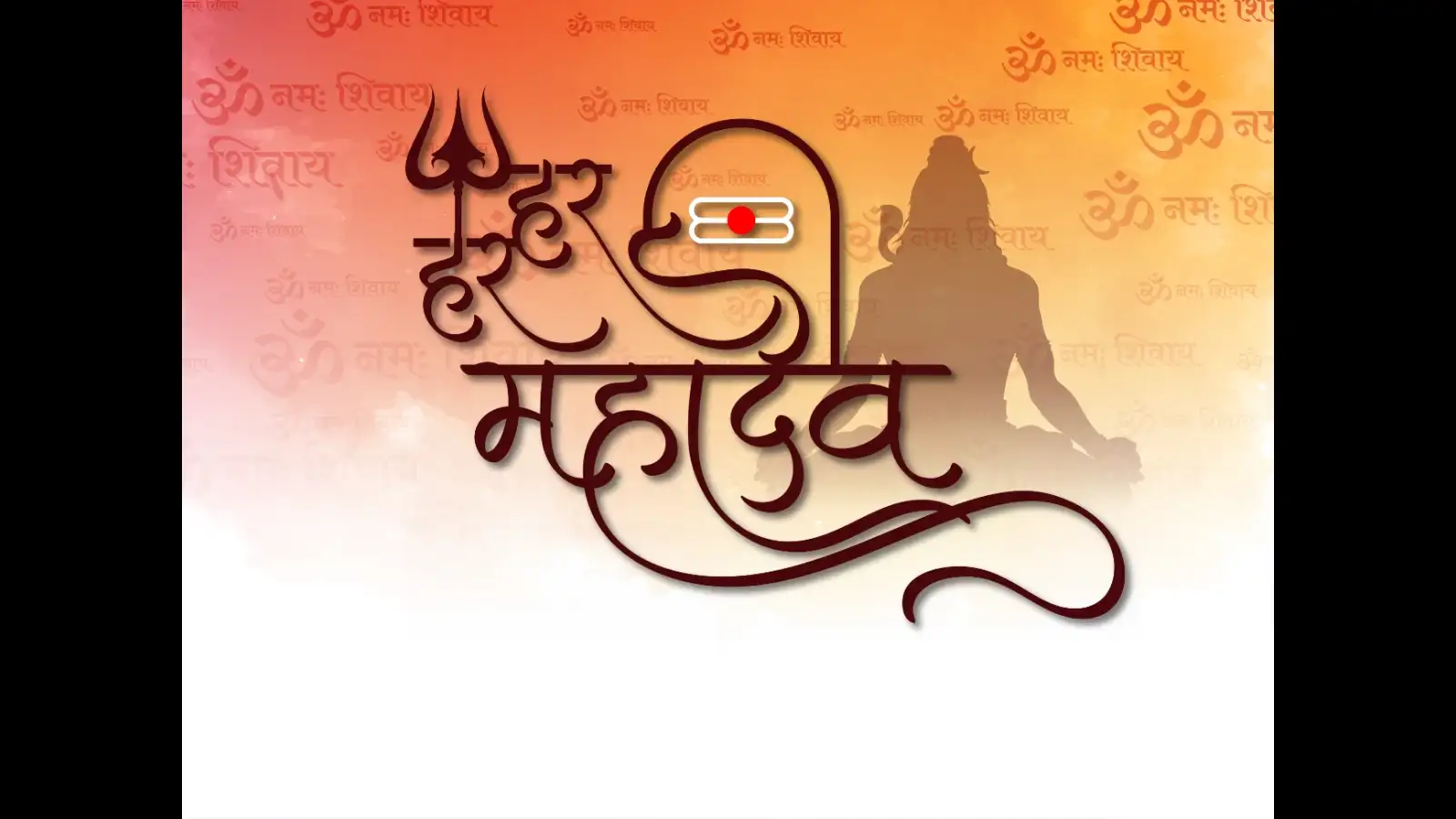
In 2026, Sawan Shivratri will be observed on 11 August, with the principal worship taking place during the night of 11 August and the early hours of 12 August. (Drik Panchang)
The four Prahar timings for night worship are approximately:
According to Hindu beliefs, sincere worship of Lord Shiva on this night is associated with devotion, inner peace and spiritual purification. Many devotees spend the night chanting Shiva mantras, meditating and performing Abhishek.
For devotees, the occasion is also an opportunity to step away from everyday distractions and focus on prayer and self-reflection.
Also Read: Sawan Somwar 2026 Fasting Tips: 10 Smart Ways to Maintain Energy and Good Health While Fasting
The exact rituals and offerings can differ between families, regions and traditions, so devotees may follow the practices prescribed by their family tradition or local temple.
The fast is traditionally concluded after sunrise on 12 August during the appropriate Parana period. Since Panchang timings can vary by location, devotees should check the timings applicable to their city.
Sawan Shivratri is more than a day of rituals for devotees. It is traditionally seen as a time for prayer, reflection and renewed devotion. As the sacred night approaches, many devotees turn towards Lord Shiva's name, perform Jalabhishek and seek peace, strength and positivity through their faith.
In 2026, Sawan Shivratri will be observed on 11 August, with the principal worship taking place during the night of 11 August and the early hours of 12 August. (Drik Panchang)
Sawan Shivratri 2026 : Date And Timings
According to the Hindu lunar calendar, Sawan Shivratri falls during Krishna Paksha Chaturdashi of Shravan. For New Delhi, the Chaturdashi Tithi begins at approximately 4:54 AM on 11 August and ends at around 1:52 AM on 12 August. The Nishita Kaal puja falls around 11:26 PM to 12:09 AM. (Drik Panchang)The four Prahar timings for night worship are approximately:
- First Prahar: 6:22 PM to 9:04 PM
- Second Prahar: 9:04 PM to 11:47 PM
- Third Prahar: 11:47 PM to 2:30 AM
- Fourth Prahar: 2:30 AM to 5:13 AM on 12 August (Drik Panchang)
Significance Of Sawan Shivratri
Sawan is traditionally regarded as a particularly sacred month for Lord Shiva, making Shivratri during Shravan an important spiritual occasion for devotees.According to Hindu beliefs, sincere worship of Lord Shiva on this night is associated with devotion, inner peace and spiritual purification. Many devotees spend the night chanting Shiva mantras, meditating and performing Abhishek.
For devotees, the occasion is also an opportunity to step away from everyday distractions and focus on prayer and self-reflection.
Also Read: Sawan Somwar 2026 Fasting Tips: 10 Smart Ways to Maintain Energy and Good Health While Fasting
Sawan Shivratri 2026: Traditional Puja Vidhi
The Sawan Shivratri puja vidhi is traditionally performed at night, particularly around Nishita Kaal. Devotees may follow these steps at home:- Take a bath and wear clean clothes before beginning the puja.
- Clean the worship area and place a Shivling or image of Lord Shiva on a clean surface.
- Perform Jalabhishek by offering clean water to the Shivling.
- Traditionally, devotees may also offer Panchamrit and then rinse the Shivling with clean water.
- Offer Bel Patra, flowers, sandalwood paste and other customary offerings.
- Light a diya and incense while maintaining a peaceful and devotional atmosphere.
- Chant 'Om Namah Shivaya' or other Shiva mantras during the puja.
- Devotees who follow the four-Prahar tradition may perform Abhishek during each part of the night.
What Makes The Four Prahar Puja Special?
Some devotees choose to worship Lord Shiva throughout all four Prahars of the night. Each period provides an opportunity for prayer, meditation and Abhishek.The exact rituals and offerings can differ between families, regions and traditions, so devotees may follow the practices prescribed by their family tradition or local temple.
Sawan Shivratri Vrat And Parana
Many devotees observe a Sawan Shivratri vrat, with fasting practices varying from person to person. Some observe a complete fast, while others consume permitted fasting foods.The fast is traditionally concluded after sunrise on 12 August during the appropriate Parana period. Since Panchang timings can vary by location, devotees should check the timings applicable to their city.
Sawan Shivratri is more than a day of rituals for devotees. It is traditionally seen as a time for prayer, reflection and renewed devotion. As the sacred night approaches, many devotees turn towards Lord Shiva's name, perform Jalabhishek and seek peace, strength and positivity through their faith.
Next Story