
Where to Place a Shivling at Home? Follow These Vastu Tips for Positive Energy

Where should you place a Shivling at home ? This is a common question among devotees, especially as the sacred month of Sawan approaches. Installing a Shivling is considered a deeply spiritual practice that symbolises devotion to Lord Shiva. According to Vastu Shastra , the location, direction, size and placement of the Shivling can play an important role in creating a peaceful and positive atmosphere in the home. While these beliefs are rooted in traditional Hindu practices, following these Vastu suggestions is thought to promote spiritual balance and harmony during daily worship.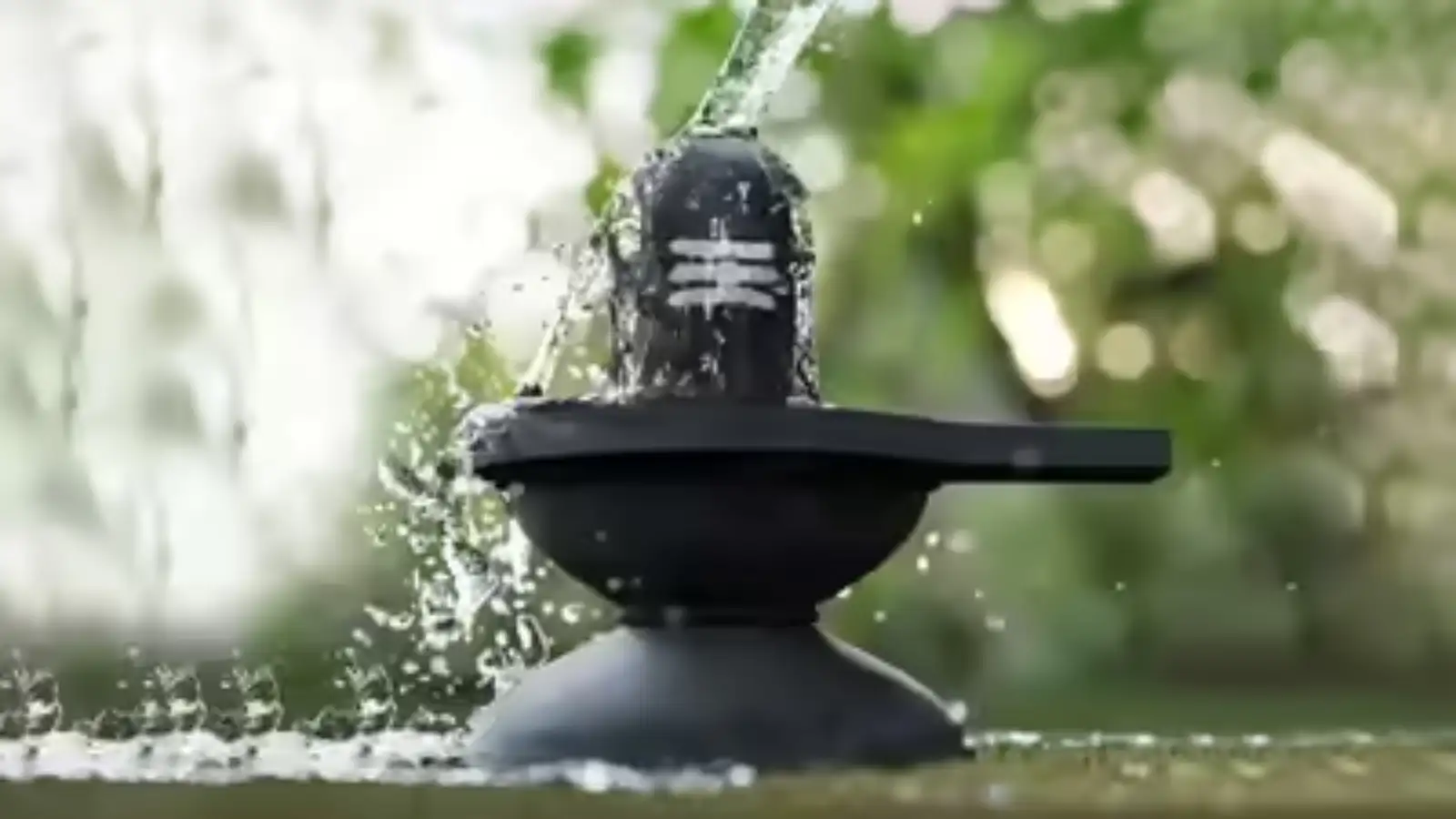
Choose the Northeast Direction for the Shivling
Vastu Shastra recommends placing the Shivling in the northeast corner, also known as the Ishan Kon, which is regarded as the most sacred direction in a home. This area is believed to attract positive spiritual energy and is considered ideal for prayer and meditation.
While performing puja or offering prayers, devotees are advised to face east or north, as these directions are traditionally associated with auspiciousness and divine blessings.
Keep the Jaladhari Facing North
The Jaladhari, the base that supports the Shivling and allows the sacred water to flow out during worship, also has significance in Vastu traditions. It is considered favourable if the outlet of the Jaladhari is positioned towards the north. This arrangement is believed to maintain a positive flow of energy within the worship space and aligns with traditional Vastu principles.
Select a Small Shivling for Home Worship
When installing a Shivling at home, simplicity is often preferred. Vastu experts generally suggest choosing a small Shivling, ideally around the size of a thumb or approximately 4 to 6 inches in height. A compact Shivling is considered suitable for household worship and is easier to maintain as part of daily rituals.
Keep Only One Shivling in the Home Temple
According to Vastu beliefs, it is advisable to place only one Shivling in the home temple. Keeping multiple Shivlings in the same prayer area is generally discouraged in traditional practices. A single Shivling is believed to represent focused devotion and helps maintain spiritual balance during worship.
Which Shivling Is Considered Most Auspicious?
Among the different types available, the Narmadeshwar Shivling , naturally formed from stones found in the Narmada River, is widely regarded as highly auspicious for home worship. Many devotees choose this sacred form due to its religious significance.
Apart from Narmadeshwar Shivlings, those crafted from gold, silver, copper or other metals are also commonly worshipped in homes. The choice often depends on personal faith, family traditions and individual preferences.
Placing a Shivling at home is a sacred act of devotion that holds deep spiritual meaning for many devotees. According to Vastu Shastra, paying attention to factors such as the right direction, proper Jaladhari placement, suitable size and keeping only one Shivling can help create a serene and spiritually uplifting environment. As Sawan begins, following these traditional guidelines can make your daily prayers more meaningful while strengthening your connection with Lord Shiva.
Choose the Northeast Direction for the Shivling
Vastu Shastra recommends placing the Shivling in the northeast corner, also known as the Ishan Kon, which is regarded as the most sacred direction in a home. This area is believed to attract positive spiritual energy and is considered ideal for prayer and meditation.
While performing puja or offering prayers, devotees are advised to face east or north, as these directions are traditionally associated with auspiciousness and divine blessings.
You may also like
- Jagannatha Puri Rath Yatra 2026 today: Check schedule, significance and all you need to know
- Jagannath Rath Yatra on July 16, 2026: Date, rituals, significance and how it is celebrated?
- Ashadha Gupt Navratri 2026: Date, Ghatasthapana, Mantra, Rituals and Significance
- Ashadha Amavasya on July 14, 2026: Date, timings, puja rituals and significance
- Ashadha Amavasya 2026: Date, timings, rituals and significance
Keep the Jaladhari Facing North
The Jaladhari, the base that supports the Shivling and allows the sacred water to flow out during worship, also has significance in Vastu traditions. It is considered favourable if the outlet of the Jaladhari is positioned towards the north. This arrangement is believed to maintain a positive flow of energy within the worship space and aligns with traditional Vastu principles.
Select a Small Shivling for Home Worship
When installing a Shivling at home, simplicity is often preferred. Vastu experts generally suggest choosing a small Shivling, ideally around the size of a thumb or approximately 4 to 6 inches in height. A compact Shivling is considered suitable for household worship and is easier to maintain as part of daily rituals.
Keep Only One Shivling in the Home Temple
According to Vastu beliefs, it is advisable to place only one Shivling in the home temple. Keeping multiple Shivlings in the same prayer area is generally discouraged in traditional practices. A single Shivling is believed to represent focused devotion and helps maintain spiritual balance during worship.
Which Shivling Is Considered Most Auspicious?
Among the different types available, the Narmadeshwar Shivling , naturally formed from stones found in the Narmada River, is widely regarded as highly auspicious for home worship. Many devotees choose this sacred form due to its religious significance.
Apart from Narmadeshwar Shivlings, those crafted from gold, silver, copper or other metals are also commonly worshipped in homes. The choice often depends on personal faith, family traditions and individual preferences.
Placing a Shivling at home is a sacred act of devotion that holds deep spiritual meaning for many devotees. According to Vastu Shastra, paying attention to factors such as the right direction, proper Jaladhari placement, suitable size and keeping only one Shivling can help create a serene and spiritually uplifting environment. As Sawan begins, following these traditional guidelines can make your daily prayers more meaningful while strengthening your connection with Lord Shiva.






Loving Newspoint? Download the app now
