
Why Can’t We Wear Tulsi Mala on Hands? Know the Religious Belief Behind This Tradition

Tulsi mala holds deep spiritual importance in Hindu traditions , especially among devotees of Lord Vishnu and Lord Krishna. While many people wear a Tulsi mala around their neck as a symbol of devotion, a common question often arises - why can’t we wear Tulsi mala on hands ? According to several Vaishnava traditions, Tulsi mala is considered a sacred object that should ideally be worn around the neck to maintain its spiritual significance and show respect towards Tulsi Devi.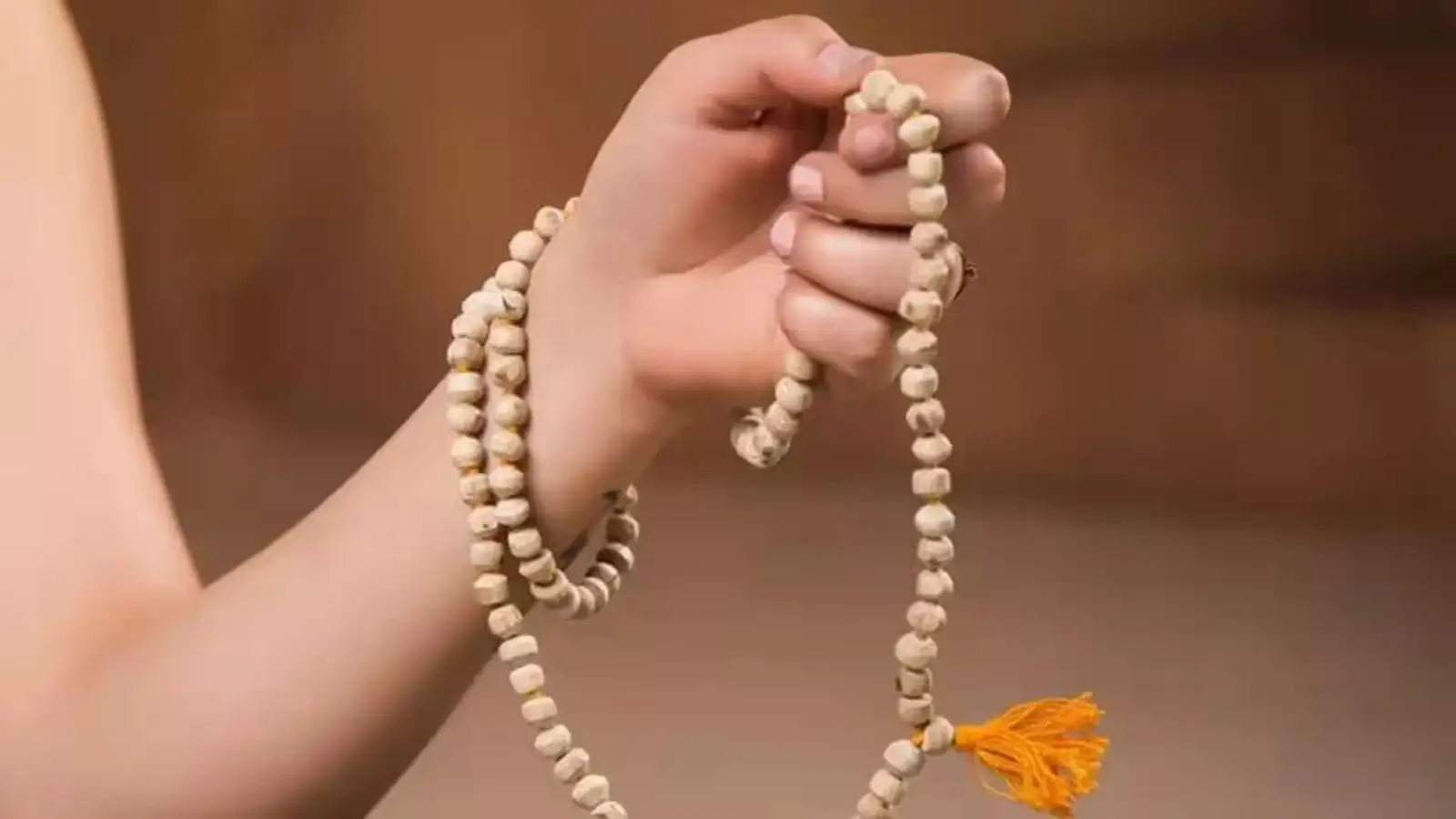
However, Hindu customs vary across communities, and some traditions do allow Tulsi bracelets. The practice depends on the beliefs, guidance of spiritual teachers, and customs followed by different sampradayas.
Why Is Tulsi Mala Considered Sacred in Hinduism?
The Tulsi plant, also known as holy basil, is highly revered in Hindu culture. It is believed to be closely associated with Lord Vishnu and Lord Krishna, making Tulsi an important part of many religious rituals and prayers.
A Tulsi mala is not considered just a piece of jewellery or an accessory. For devotees, it represents faith, purity, and a spiritual connection with God. Many followers wear it daily as a reminder to follow a disciplined and devotional path.
In many Vaishnava traditions, devotees receive a Tulsi mala during spiritual initiation. Since it is connected with religious practices, it is treated with great care and respect.
Why Do Many Devotees Wear Tulsi Mala Around the Neck?
Many spiritual teachers believe that the neck is the most appropriate place for wearing a Tulsi mala. It is seen as a way of expressing surrender and devotion towards God.
Devotees believe that wearing Tulsi mala around the neck helps them remain connected to their spiritual beliefs throughout the day. It serves as a constant reminder to maintain positive thoughts, humility, and a simple lifestyle.
According to traditional beliefs, keeping Tulsi close to the body also provides spiritual protection and strengthens a devotee’s faith.
Why Do Some People Avoid Wearing Tulsi Mala on Their Hands?
The belief behind avoiding a Tulsi mala on hands is mainly connected to maintaining its purity and sacredness.
Hands are involved in several everyday activities, including cooking, cleaning, travelling, and handling different objects. During daily tasks, the wrist may come in contact with things that some traditions consider unsuitable for a sacred item.
Because of this, many devotees believe that wearing Tulsi around the neck is a more respectful practice. The idea is not that hands are impure, but that a sacred mala should be placed in a position where it is less likely to be exposed to situations that may affect its sanctity.
This belief has been followed for generations in many Vaishnava families and spiritual communities.
Is Wearing a Tulsi Bracelet on the Wrist Wrong?
Wearing a Tulsi bracelet is not considered wrong in every Hindu tradition. Some communities and spiritual organisations allow devotees to wear Tulsi beads on their wrists as a symbol of devotion.
Hinduism includes many different customs and practices, and traditions can differ from one region, family, or spiritual group to another. For some devotees, the intention and respect behind wearing Tulsi are more important than the specific placement.
If a Tulsi mala has been given by a guru, temple, or spiritual teacher, devotees usually prefer to follow their instructions regarding how it should be worn.
Tulsi Mala: A Symbol of Faith, Not Fashion
A Tulsi mala carries emotional and spiritual value for devotees. It represents their dedication to God and reminds them of their religious path.
Since it is considered sacred, many people avoid treating it like a regular accessory. Whether worn around the neck or in another form approved by tradition, the key belief remains the same — Tulsi should be worn with devotion, cleanliness, and respect.
The question of why can’t we wear Tulsi mala on hands does not have one universal answer because Hindu practices differ across traditions. Many Vaishnava followers believe that wearing Tulsi mala around the neck is the ideal practice as it reflects devotion and respect towards Tulsi Devi.
At the same time, some communities accept Tulsi bracelets when they are worn with proper faith and reverence. Ultimately, the importance lies in the devotion, intention, and respect a person has while wearing Tulsi mala.
However, Hindu customs vary across communities, and some traditions do allow Tulsi bracelets. The practice depends on the beliefs, guidance of spiritual teachers, and customs followed by different sampradayas.
Why Is Tulsi Mala Considered Sacred in Hinduism?
The Tulsi plant, also known as holy basil, is highly revered in Hindu culture. It is believed to be closely associated with Lord Vishnu and Lord Krishna, making Tulsi an important part of many religious rituals and prayers.
A Tulsi mala is not considered just a piece of jewellery or an accessory. For devotees, it represents faith, purity, and a spiritual connection with God. Many followers wear it daily as a reminder to follow a disciplined and devotional path.
In many Vaishnava traditions, devotees receive a Tulsi mala during spiritual initiation. Since it is connected with religious practices, it is treated with great care and respect.
Why Do Many Devotees Wear Tulsi Mala Around the Neck?
Many spiritual teachers believe that the neck is the most appropriate place for wearing a Tulsi mala. It is seen as a way of expressing surrender and devotion towards God.
Devotees believe that wearing Tulsi mala around the neck helps them remain connected to their spiritual beliefs throughout the day. It serves as a constant reminder to maintain positive thoughts, humility, and a simple lifestyle.
According to traditional beliefs, keeping Tulsi close to the body also provides spiritual protection and strengthens a devotee’s faith.
Why Do Some People Avoid Wearing Tulsi Mala on Their Hands?
The belief behind avoiding a Tulsi mala on hands is mainly connected to maintaining its purity and sacredness.
You may also like
- Guru Purnima 2026: Date, timings, puja rituals and significance
- Ashadha Purnima 2026: Date, timings, puja rituals and significance
- Sawan 2026 Calendar: Full List of Somwar Vrat, Shivratri, Pradosh, Ekadashi, and Purnima Dates
- Guru Purnima Full Moon: 4 Zodiac Signs Set to Receive Divine Guidance
- Ashadha Chaumasi Chaudas 2026: Date, Shubh Muhurat, Puja Vidhi, and Significance
Hands are involved in several everyday activities, including cooking, cleaning, travelling, and handling different objects. During daily tasks, the wrist may come in contact with things that some traditions consider unsuitable for a sacred item.
Because of this, many devotees believe that wearing Tulsi around the neck is a more respectful practice. The idea is not that hands are impure, but that a sacred mala should be placed in a position where it is less likely to be exposed to situations that may affect its sanctity.
This belief has been followed for generations in many Vaishnava families and spiritual communities.
Is Wearing a Tulsi Bracelet on the Wrist Wrong?
Wearing a Tulsi bracelet is not considered wrong in every Hindu tradition. Some communities and spiritual organisations allow devotees to wear Tulsi beads on their wrists as a symbol of devotion.
Hinduism includes many different customs and practices, and traditions can differ from one region, family, or spiritual group to another. For some devotees, the intention and respect behind wearing Tulsi are more important than the specific placement.
If a Tulsi mala has been given by a guru, temple, or spiritual teacher, devotees usually prefer to follow their instructions regarding how it should be worn.
Tulsi Mala: A Symbol of Faith, Not Fashion
A Tulsi mala carries emotional and spiritual value for devotees. It represents their dedication to God and reminds them of their religious path.
Since it is considered sacred, many people avoid treating it like a regular accessory. Whether worn around the neck or in another form approved by tradition, the key belief remains the same — Tulsi should be worn with devotion, cleanliness, and respect.
The question of why can’t we wear Tulsi mala on hands does not have one universal answer because Hindu practices differ across traditions. Many Vaishnava followers believe that wearing Tulsi mala around the neck is the ideal practice as it reflects devotion and respect towards Tulsi Devi.
At the same time, some communities accept Tulsi bracelets when they are worn with proper faith and reverence. Ultimately, the importance lies in the devotion, intention, and respect a person has while wearing Tulsi mala.






Loving Newspoint? Download the app now
