
Swastika Symbol In Hinduism: Meaning, Significance And Importance

The Swastika is one of the most recognisable and revered Hindu symbols , carrying deep spiritual and cultural significance. Across India, it is commonly drawn at the entrance of homes, on new vehicles, business establishments, puja kalash, account books and even rangoli during festivals such as Diwali. For millions of devotees, this ancient symbol represents prosperity, positivity and divine blessings.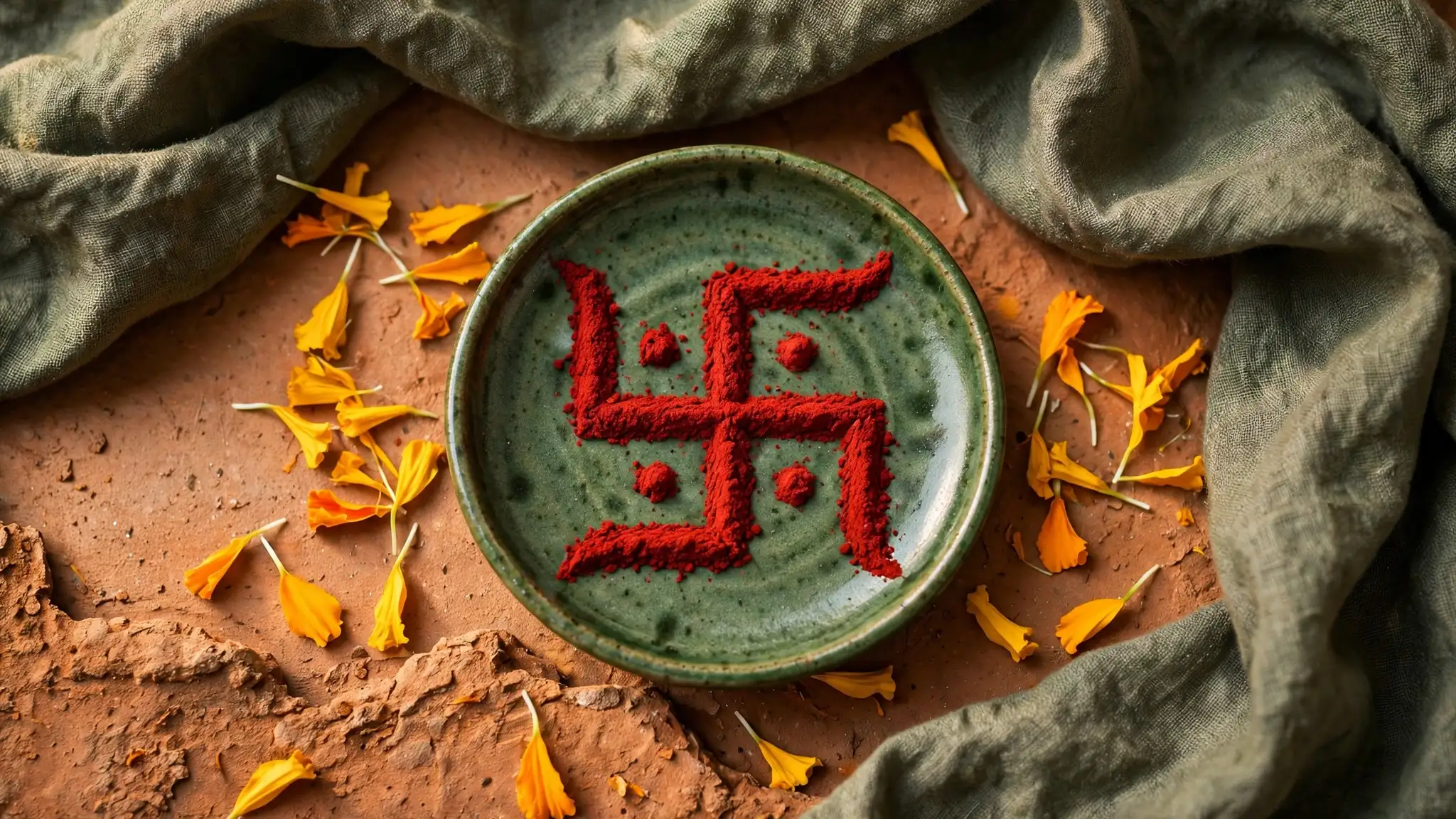
Although the symbol is often misunderstood in some parts of the world due to its misuse in the 20th century, its original meaning in Sanatan Dharma dates back thousands of years and remains one of peace, harmony and auspiciousness.
This positive meaning is why the Swastika in Hinduism has long been regarded as a symbol of good fortune, prosperity, spiritual growth and harmony. It is believed to invite positive energy into homes and sacred spaces.
Also Read: Rudraksha By Zodiac Sign: Find The Right Mukhi For You
One of its strongest associations is with Lord Ganesha , who is worshipped as the remover of obstacles and the deity of new beginnings. This is why devotees often draw the Swastika before weddings, housewarming ceremonies, business inaugurations and religious rituals. It is believed to invoke Lord Ganesha's blessings for success and smooth beginnings.
The four arms of the Swastika also hold profound symbolic meaning. According to Hindu tradition, they represent the four Vedas: Rig Veda, Yajur Veda, Sama Veda and Atharva Veda. They are also believed to symbolise the four directions, four stages of life (Ashramas), four Yugas and the four goals of human life known as Dharma, Artha, Kama and Moksha.
Together, these interpretations make the Swastika a powerful representation of balance, completeness and the cosmic order.
The right-facing Swastika is the most commonly used in Hindu homes and temples. It is associated with prosperity, positive energy, stability and spiritual wellbeing. This is the form most people see during festivals, daily worship and religious ceremonies.
The left-facing Swastika, on the other hand, is less commonly used and is primarily associated with certain Tantric traditions. It symbolises inner transformation, esoteric practices and is linked to the worship of Goddess Kali.
In homes, it is drawn near entrances, puja rooms, lamps and kalash to welcome prosperity and purity. During weddings, it represents blessings for a harmonious married life, while in temples and yajnas, it is often used alongside sacred symbols like Om or Shree to signify divine energy.
Outside India, however, the Swastika is sometimes misunderstood because it was appropriated by the Nazi regime during the 20th century. This historical misuse has no connection with its ancient meaning in Hinduism, where it has always stood for peace, wellbeing and universal harmony.
Whether drawn during festivals, family celebrations or daily worship, the Swastika continues to symbolise auspicious beginnings, prosperity and the eternal values of Sanatan Dharma.
Disclaimer: This article is intended for informational purposes based on Hindu religious beliefs and cultural traditions. We at NewsPoint are not responsible for individual interpretations or practices. Religious customs may vary across regions and communities.
Although the symbol is often misunderstood in some parts of the world due to its misuse in the 20th century, its original meaning in Sanatan Dharma dates back thousands of years and remains one of peace, harmony and auspiciousness.
What Does the Swastika Mean?
The word Swastika is derived from the Sanskrit words 'su', meaning "good", and 'asti', meaning "to exist". Together, they convey the message, "May there be well-being" or "May all be auspicious."This positive meaning is why the Swastika in Hinduism has long been regarded as a symbol of good fortune, prosperity, spiritual growth and harmony. It is believed to invite positive energy into homes and sacred spaces.
Also Read: Rudraksha By Zodiac Sign: Find The Right Mukhi For You
Why Is the Swastika Spiritually Significant?
The Swastika is much more than a decorative design. It represents several important concepts found in Hindu philosophy and scriptures.One of its strongest associations is with Lord Ganesha , who is worshipped as the remover of obstacles and the deity of new beginnings. This is why devotees often draw the Swastika before weddings, housewarming ceremonies, business inaugurations and religious rituals. It is believed to invoke Lord Ganesha's blessings for success and smooth beginnings.
The four arms of the Swastika also hold profound symbolic meaning. According to Hindu tradition, they represent the four Vedas: Rig Veda, Yajur Veda, Sama Veda and Atharva Veda. They are also believed to symbolise the four directions, four stages of life (Ashramas), four Yugas and the four goals of human life known as Dharma, Artha, Kama and Moksha.
Together, these interpretations make the Swastika a powerful representation of balance, completeness and the cosmic order.
You may also like
- Guru Purnima 2026: Date, timings, puja rituals and significance
- Ashadha Purnima 2026: Date, timings, puja rituals and significance
- Sawan 2026 Calendar: Full List of Somwar Vrat, Shivratri, Pradosh, Ekadashi, and Purnima Dates
- Guru Purnima Full Moon: 4 Zodiac Signs Set to Receive Divine Guidance
- Ashadha Chaumasi Chaudas 2026: Date, Shubh Muhurat, Puja Vidhi, and Significance
Right-Facing And Left-Facing Swastika
The Swastika appears in two different forms, each carrying its own traditional significance.The right-facing Swastika is the most commonly used in Hindu homes and temples. It is associated with prosperity, positive energy, stability and spiritual wellbeing. This is the form most people see during festivals, daily worship and religious ceremonies.
The left-facing Swastika, on the other hand, is less commonly used and is primarily associated with certain Tantric traditions. It symbolises inner transformation, esoteric practices and is linked to the worship of Goddess Kali.
Why Is the Swastika Still Important Today?
The Swastika significance extends beyond religious rituals. It remains an important part of Hindu culture and traditions, symbolising hope, protection and divine presence.In homes, it is drawn near entrances, puja rooms, lamps and kalash to welcome prosperity and purity. During weddings, it represents blessings for a harmonious married life, while in temples and yajnas, it is often used alongside sacred symbols like Om or Shree to signify divine energy.
Outside India, however, the Swastika is sometimes misunderstood because it was appropriated by the Nazi regime during the 20th century. This historical misuse has no connection with its ancient meaning in Hinduism, where it has always stood for peace, wellbeing and universal harmony.
The Timeless Symbol of Auspiciousness
For centuries, the Swastika has remained one of the most sacred spiritual symbols in Hinduism. It reflects the principles of balance, positivity and divine protection while reminding devotees of the importance of living in harmony with the universe.Whether drawn during festivals, family celebrations or daily worship, the Swastika continues to symbolise auspicious beginnings, prosperity and the eternal values of Sanatan Dharma.
Disclaimer: This article is intended for informational purposes based on Hindu religious beliefs and cultural traditions. We at NewsPoint are not responsible for individual interpretations or practices. Religious customs may vary across regions and communities.






Loving Newspoint? Download the app now
