
Why Lord Jagannath's Idol Won't Be Replaced in 2026: The Sacred Truth Behind Navakalevara

Why Lord Jagannath's idol won't change in 2026 is a question many devotees ask as the annual Rath Yatra draws millions to Puri. A common misconception is that the wooden idols of Lord Jagannath and his siblings are replaced every year before the festival. In reality, the sacred idols are renewed only during the rare Navakalevara ceremony, a centuries-old ritual governed by specific astrological and lunar conditions. Since those conditions are absent in 2026, the revered idols will remain unchanged, continuing an ancient tradition that reflects deep spiritual symbolism and unwavering faith.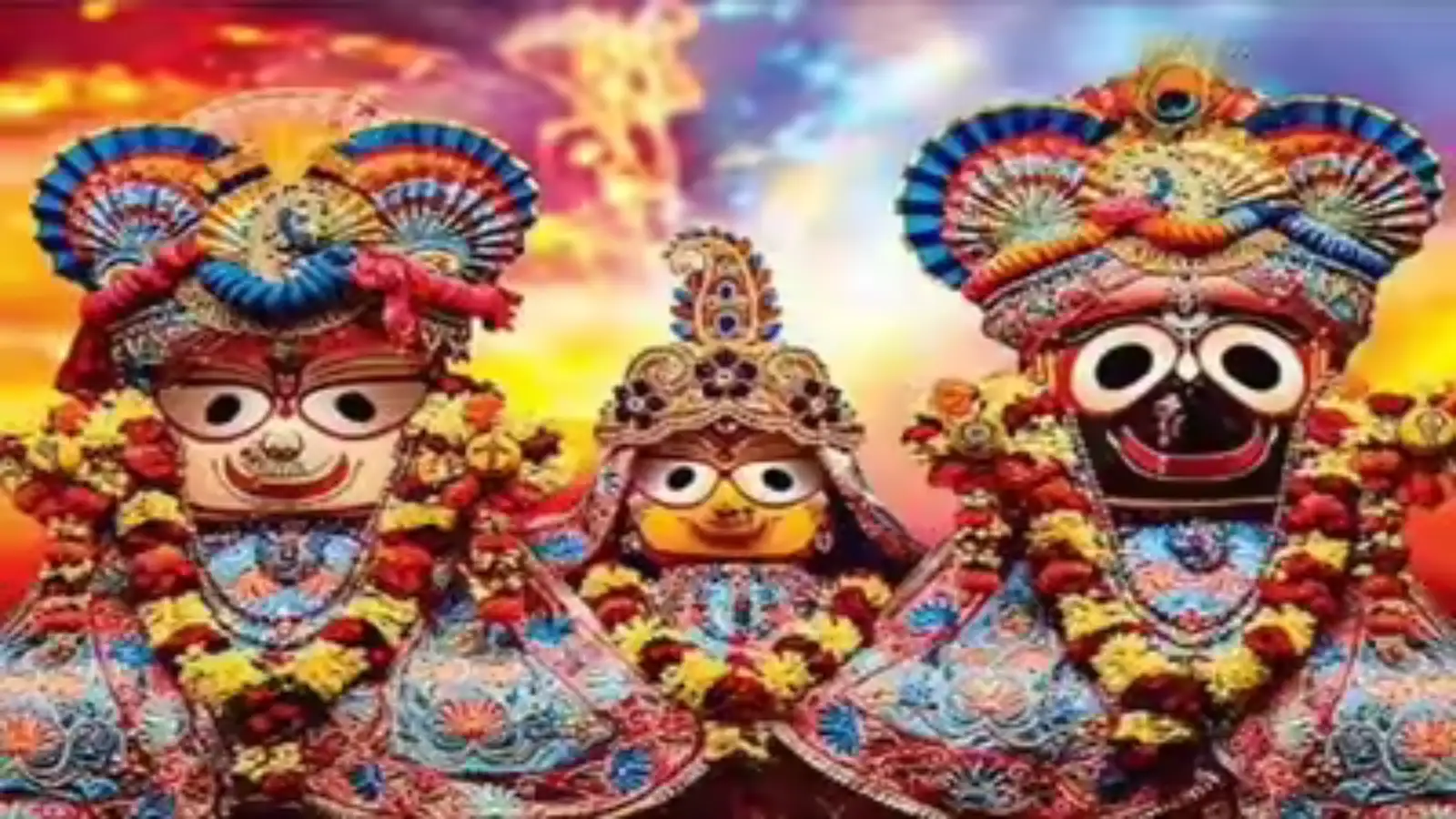
Lord Jagannath's Idols Are Not Replaced Every Year
Despite the widespread belief, the idols of Lord Jagannath, Lord Balabhadra, Goddess Subhadra, and Sudarshan are not recreated annually. The replacement takes place only during Navakalevara, one of the most sacred traditions of the Jagannath Temple in Puri.
Unlike the yearly Rath Yatra, Navakalevara is a rare event that occurs only when a unique combination appears in the Hindu lunar calendar. This makes the ceremony extraordinary and one of the most revered rituals in Hinduism.
Also Read: Why Jagannath's Prasad Is Broken During Rath Yatra: The Spiritual Meaning Behind Adharapana Ritual
The Search for Sacred Neem Trees Is a Divine Mission
The creation of new idols begins with the search for special neem trees, known as Daru Brahma . These trees are considered sacred and cannot be chosen randomly.
A traditional team of temple servitors undertakes a spiritually significant journey to locate trees that match several scriptural signs described in ancient temple traditions. Every step of this search is accompanied by prayers, rituals, and strict religious customs, making the selection process a sacred pilgrimage rather than a simple search for wood.
Only Traditional Temple Artisans Can Carve the Idols
Once the sacred trees are identified, the responsibility of carving the idols rests exclusively with members of the Maharana artisan families, who have preserved this duty through generations.
The carving takes place inside a highly restricted area within the Jagannath Temple complex. The work is carried out away from public view, and no visitors are allowed to witness the process. Every stage follows age-old traditions that have been faithfully maintained for centuries.
Also Read: Jagannath Rath Yatra 2026: Date, Muhurat, Significance, Rituals and Everything You Need to Know
Brahma Parivartan : The Most Sacred and Secret Ritual
Among all the ceremonies of Navakalevara, Brahma Parivartan is regarded as the most mysterious and spiritually significant.
During this ritual, the sacred Brahma Padartha, believed by devotees to embody the divine spiritual essence of the deities, is transferred from the old idols to the newly carved ones. The ceremony is performed only by a select group of temple priests under complete secrecy. The exact details of the ritual have never been publicly revealed and continue to remain one of the temple's greatest spiritual mysteries.
The Old Idols Are Honoured with Great Reverence
After the sacred transfer is completed, the old wooden idols are not discarded or destroyed.
Instead, they are respectfully laid to rest at Koili Baikuntha, a sacred burial site within the Jagannath Temple premises. This ceremonial farewell symbolises the eternal cycle of renewal, where the physical form changes while the divine essence remains everlasting.
For devotees, this tradition beautifully reflects the belief that divinity transcends the material body.
Lord Jagannath's Idols Are Not Replaced Every Year
Despite the widespread belief, the idols of Lord Jagannath, Lord Balabhadra, Goddess Subhadra, and Sudarshan are not recreated annually. The replacement takes place only during Navakalevara, one of the most sacred traditions of the Jagannath Temple in Puri.
Unlike the yearly Rath Yatra, Navakalevara is a rare event that occurs only when a unique combination appears in the Hindu lunar calendar. This makes the ceremony extraordinary and one of the most revered rituals in Hinduism.
Also Read: Why Jagannath's Prasad Is Broken During Rath Yatra: The Spiritual Meaning Behind Adharapana Ritual
The Search for Sacred Neem Trees Is a Divine Mission
The creation of new idols begins with the search for special neem trees, known as Daru Brahma . These trees are considered sacred and cannot be chosen randomly.
A traditional team of temple servitors undertakes a spiritually significant journey to locate trees that match several scriptural signs described in ancient temple traditions. Every step of this search is accompanied by prayers, rituals, and strict religious customs, making the selection process a sacred pilgrimage rather than a simple search for wood.
Only Traditional Temple Artisans Can Carve the Idols
Once the sacred trees are identified, the responsibility of carving the idols rests exclusively with members of the Maharana artisan families, who have preserved this duty through generations.
The carving takes place inside a highly restricted area within the Jagannath Temple complex. The work is carried out away from public view, and no visitors are allowed to witness the process. Every stage follows age-old traditions that have been faithfully maintained for centuries.
Also Read: Jagannath Rath Yatra 2026: Date, Muhurat, Significance, Rituals and Everything You Need to Know
Brahma Parivartan : The Most Sacred and Secret Ritual
Among all the ceremonies of Navakalevara, Brahma Parivartan is regarded as the most mysterious and spiritually significant.
During this ritual, the sacred Brahma Padartha, believed by devotees to embody the divine spiritual essence of the deities, is transferred from the old idols to the newly carved ones. The ceremony is performed only by a select group of temple priests under complete secrecy. The exact details of the ritual have never been publicly revealed and continue to remain one of the temple's greatest spiritual mysteries.
The Old Idols Are Honoured with Great Reverence
After the sacred transfer is completed, the old wooden idols are not discarded or destroyed.
Instead, they are respectfully laid to rest at Koili Baikuntha, a sacred burial site within the Jagannath Temple premises. This ceremonial farewell symbolises the eternal cycle of renewal, where the physical form changes while the divine essence remains everlasting.
For devotees, this tradition beautifully reflects the belief that divinity transcends the material body.
Next Story