
Why Wearing Green Bangles In Sawan Is Considered Auspicious

The sacred month of Sawan 2026 will begin on 30 July in North India, marking one of the most auspicious periods in the Hindu calendar. Devotees dedicate this month to the worship of Lord Shiva and Goddess Parvati , observing fasts, offering prayers and following age-old traditions with devotion.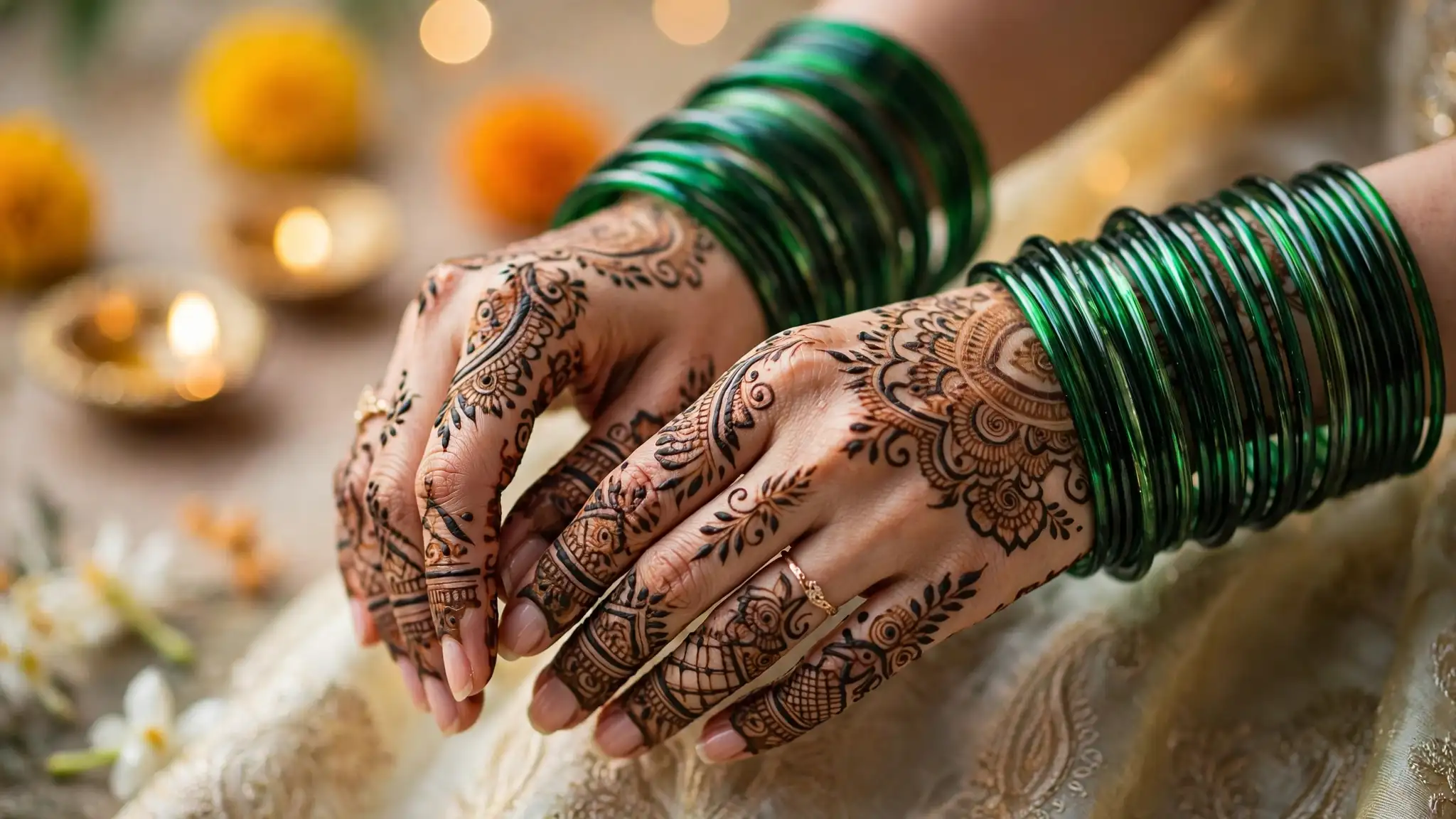
One of the most recognisable customs during this period is the tradition of wearing green bangles during Sawan . While many see it as a festive ritual, its roots are deeply connected to spirituality, nature and Vedic astrology . Here's why this practice continues to hold special importance.
Wearing green during this holy month is believed to help devotees connect with nature's energy. It represents hope, prosperity and fresh beginnings, reflecting the rejuvenation that the rainy season brings after the scorching summer months.
Green is associated with her strength, patience and nurturing energy. Many women wear green bangles during Sawan as a symbol of seeking her blessings for happiness, emotional strength, prosperity and a peaceful family life.
Also Read: Sawan 2026: Why Planting Tulsi During Sawan Is Considered Highly Auspicious
Many married women observe this tradition with the belief that it promotes harmony within the family, strengthens relationships and prays for the long life and well-being of their husbands. Green bangles are also closely associated with festivals such as Hariyali Teej, where the colour represents love, fertility, unity and prosperity.
It is believed that wearing green during Sawan rituals may strengthen Mercury's positive influence in one's birth chart. Devotees associate this practice with improved clarity of thought, better communication, career progress and greater stability in personal relationships.
The belief that only married women should wear them developed over time through social customs rather than religious teachings. Historically, families often discouraged unmarried girls from wearing green bangles to distinguish their marital status and avoid social misunderstandings.
Today, many devotees believe that anyone can wear green during Sawan 2026 with faith and devotion. The tradition is viewed as a symbol of spiritual positivity, inner strength and divine blessings rather than a restriction based on marital status.
Whether married or unmarried, wearing green during Sawan is ultimately an expression of devotion, gratitude and a desire for peace, prosperity and spiritual growth.
Disclaimer: This article is based on traditional Hindu beliefs, cultural practices and religious interpretations. We at NewsPoint are not responsible for individual beliefs or religious practices. Readers are encouraged to follow traditions according to their personal faith and consult knowledgeable religious experts for guidance.
One of the most recognisable customs during this period is the tradition of wearing green bangles during Sawan . While many see it as a festive ritual, its roots are deeply connected to spirituality, nature and Vedic astrology . Here's why this practice continues to hold special importance.
Green Symbolises Nature And New Beginnings
The arrival of Sawan coincides with the monsoon season, when the earth transforms into a landscape filled with lush greenery. In Hindu philosophy, nature is regarded as sacred, and the colour green symbolises renewal, growth and harmony.Wearing green during this holy month is believed to help devotees connect with nature's energy. It represents hope, prosperity and fresh beginnings, reflecting the rejuvenation that the rainy season brings after the scorching summer months.
A Sacred Connection With Goddess Parvati
Although Lord Shiva is the central deity worshipped during Sawan, the month also celebrates the unwavering devotion of Goddess Parvati. According to Hindu beliefs, Goddess Parvati performed intense penance to attain Lord Shiva as her husband.Green is associated with her strength, patience and nurturing energy. Many women wear green bangles during Sawan as a symbol of seeking her blessings for happiness, emotional strength, prosperity and a peaceful family life.
Also Read: Sawan 2026: Why Planting Tulsi During Sawan Is Considered Highly Auspicious
Why Green Bangles Are Considered Auspicious
In Hindu tradition, bangles are more than decorative ornaments. They symbolise positivity, good fortune and marital bliss. Wearing green bangles during Sawan is believed to invite the combined blessings of Lord Shiva and Goddess Parvati.Many married women observe this tradition with the belief that it promotes harmony within the family, strengthens relationships and prays for the long life and well-being of their husbands. Green bangles are also closely associated with festivals such as Hariyali Teej, where the colour represents love, fertility, unity and prosperity.
You may also like
- Sawan 2026: Do This Goddess Lakshmi Remedy To Attract Money and Luck
- Bhagavad Gita Quote Today: “Forgiveness doesn't erase the past; it breaks…”
- Jagannatha Puri Rath Yatra 2026 today: Check schedule, significance and all you need to know
- Jagannath Rath Yatra on July 16, 2026: Date, rituals, significance and how it is celebrated?
- Ashadha Gupt Navratri 2026: Date, Ghatasthapana, Mantra, Rituals and Significance
Astrological Importance Of Green Bangles
According to Vedic astrology, the colour green is linked to the planet Mercury, also known as Budh. Mercury is believed to govern communication, wisdom, learning and emotional balance.It is believed that wearing green during Sawan rituals may strengthen Mercury's positive influence in one's birth chart. Devotees associate this practice with improved clarity of thought, better communication, career progress and greater stability in personal relationships.
Can Unmarried Women Wear Green Bangles?
Yes. There is no mention in the Vedas, Upanishads or other Hindu scriptures that unmarried women are prohibited from wearing green bangles during Sawan.The belief that only married women should wear them developed over time through social customs rather than religious teachings. Historically, families often discouraged unmarried girls from wearing green bangles to distinguish their marital status and avoid social misunderstandings.
Today, many devotees believe that anyone can wear green during Sawan 2026 with faith and devotion. The tradition is viewed as a symbol of spiritual positivity, inner strength and divine blessings rather than a restriction based on marital status.
Whether married or unmarried, wearing green during Sawan is ultimately an expression of devotion, gratitude and a desire for peace, prosperity and spiritual growth.
Disclaimer: This article is based on traditional Hindu beliefs, cultural practices and religious interpretations. We at NewsPoint are not responsible for individual beliefs or religious practices. Readers are encouraged to follow traditions according to their personal faith and consult knowledgeable religious experts for guidance.






Loving Newspoint? Download the app now
