
Formula 1 A–Z: Understanding Night Race And Net Zero By 2030

Formula 1 's official glossary under the letter N contains just two entries. While neither term relates directly to a car component, both are significant to the modern Formula 1 championship. Night race explains a unique style of Grand Prix held under artificial lighting, while Net Zero by 2030 highlights Formula 1's long-term sustainability commitment.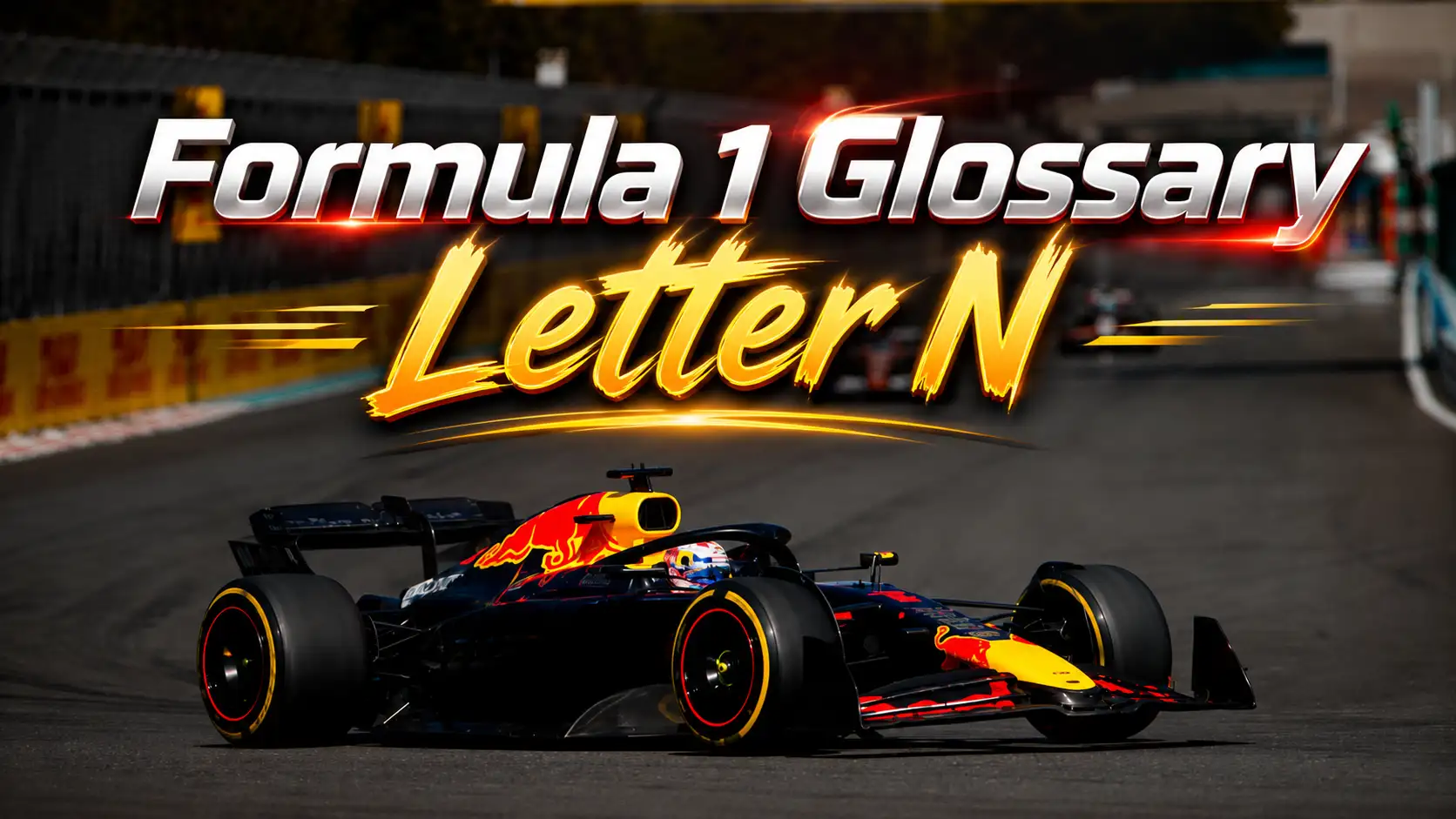
Even though the race is held at night, visibility remains extremely high because of the specially designed lighting around the circuit. Drivers prepare for the same racing conditions as during daytime events, but the atmosphere is very different. Night races have become some of the most iconic events on the Formula 1 calendar. They combine world-class racing with a unique visual setting, making them fan favourites.
Also Read - Formula 1 Terms Starting With M: Complete Official Guide For Fans
According to the official glossary, Formula 1 aims to achieve this goal through initiatives including:
Although the official Formula 1 glossary lists only two terms under the letter N, both reflect important aspects of the championship beyond pure racing. Night race showcases one of Formula 1's most exciting event formats, while Net Zero by 2030 highlights the sport's commitment to sustainability and innovation. Together, these terms demonstrate how Formula 1 continues to evolve both on and off the track.
1. Night race
A night race is a Formula 1 Grand Prix that takes place after dark under powerful floodlights. The circuit is illuminated with advanced lighting systems, allowing drivers to race safely despite the absence of daylight. They create a spectacular visual experience for fans at the circuit and those watching on television. Holding races at night can also make the event more convenient for global audiences by improving broadcast timings. Cooler evening temperatures can also influence track conditions and tyre behaviour.Even though the race is held at night, visibility remains extremely high because of the specially designed lighting around the circuit. Drivers prepare for the same racing conditions as during daytime events, but the atmosphere is very different. Night races have become some of the most iconic events on the Formula 1 calendar. They combine world-class racing with a unique visual setting, making them fan favourites.
You may also like
- Cummins, Starc, Hazlewood and priceless lessons: Abhishek Moond and Vasudev Prasad Singh soak in Australia's fast-bowling culture
- UPCA Speed Hunt a major success, identified 38 pacers clocking 134-plus kmph: Rajeev Shukla
- Slavko Vincic, who officiated FIFA WC final, announces retirement
- Shreyas Iyer lauds interim coach VVS Laxman following Zimbabwe sweep
- Shreyas Iyer Becomes First Indian Captain to Reach Historic Milestone After UK's Disappointing Tour
Also Read - Formula 1 Terms Starting With M: Complete Official Guide For Fans
2. Net Zero by 2030
Net Zero by 2030 is Formula 1's commitment to become carbon net zero by the year 2030. It reflects the sport's efforts to reduce its environmental impact while continuing to grow globally.According to the official glossary, Formula 1 aims to achieve this goal through initiatives including:
- Sustainable fuels.
- More efficient logistics and travel.
- Sustainable event operations.
- Renewable energy solutions where possible.
- Reducing emissions across the sport.
Although the official Formula 1 glossary lists only two terms under the letter N, both reflect important aspects of the championship beyond pure racing. Night race showcases one of Formula 1's most exciting event formats, while Net Zero by 2030 highlights the sport's commitment to sustainability and innovation. Together, these terms demonstrate how Formula 1 continues to evolve both on and off the track.






Loving Newspoint? Download the app now
