
AI Deepfakes Are Getting Harder to Spot: How to Verify a Video

A convincing video or familiar-sounding voice is no longer enough to prove that something is genuine. Generative AI can create realistic images, imitate voices and produce video clips that appear to show events that never happened.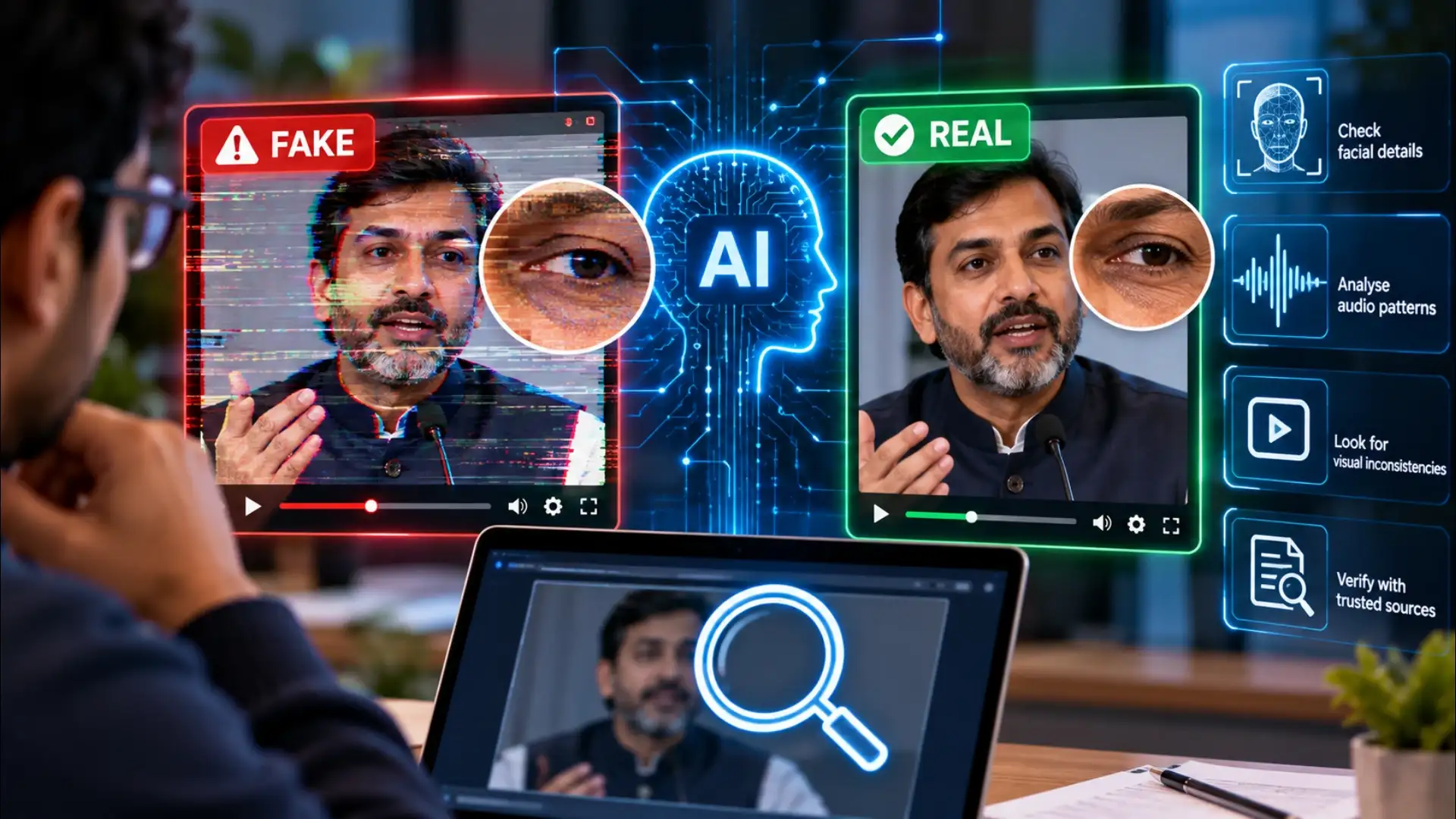
The problem is attracting renewed attention as experts consider the implications of AI-generated evidence in legal proceedings. On 15 October 2026, representatives from major technology companies warned a US judicial panel that distinguishing fabricated media from authentic recordings is becoming more difficult. For ordinary internet users, the lesson is practical: verify the source before trusting or sharing suspicious content.
Some are made for entertainment or satire. Others can be used to spread misinformation , impersonate people, damage reputations or support financial scams.
A fake voice message might appear to come from a family member asking for urgent money. A manipulated video could falsely suggest that a public figure made a statement.
These examples demonstrate why media that looks realistic should not automatically be treated as authentic.
Experts told a US judicial panel on 15 October that current detection approaches have important limitations. Watermarking systems also vary, making it difficult to rely on one universal method.
The scale of the problem should not be exaggerated, either. A survey cited in the reporting found that 15 of 931 responding judges had encountered cases in which the introduction of evidence was challenged on deepfake grounds.
The technology presents a genuine concern, but that figure does not establish how frequently deepfakes are used successfully in everyday fraud.
Search for the same event through independent news organisations or official channels. If a video claims that a company has announced a major policy change, check the company's own communications.
Pay attention to context. An authentic clip can still be misleading if it has been edited, presented with an incorrect date or separated from the original conversation.
Reverse image searches and video verification tools can help locate earlier versions, but their results are not conclusive proof.
Avoid forwarding unverified recordings, particularly when they contain allegations about individuals or groups.
The safest approach combines technical tools with independent verification. As AI-generated media improves, checking where information came from will remain more useful than trusting appearances alone.
The problem is attracting renewed attention as experts consider the implications of AI-generated evidence in legal proceedings. On 15 October 2026, representatives from major technology companies warned a US judicial panel that distinguishing fabricated media from authentic recordings is becoming more difficult. For ordinary internet users, the lesson is practical: verify the source before trusting or sharing suspicious content.
Why Are AI Deepfakes a Growing Concern?
Deepfakes use AI techniques to create or manipulate images, audio and video.Some are made for entertainment or satire. Others can be used to spread misinformation , impersonate people, damage reputations or support financial scams.
A fake voice message might appear to come from a family member asking for urgent money. A manipulated video could falsely suggest that a public figure made a statement.
These examples demonstrate why media that looks realistic should not automatically be treated as authentic.
Can Detection Tools Identify Every Fake?
No single detection method can guarantee that every recording is genuine or fabricated.Experts told a US judicial panel on 15 October that current detection approaches have important limitations. Watermarking systems also vary, making it difficult to rely on one universal method.
The scale of the problem should not be exaggerated, either. A survey cited in the reporting found that 15 of 931 responding judges had encountered cases in which the introduction of evidence was challenged on deepfake grounds.
You may also like
- Some Accenture employees spent $1,000 a month on Anthropic's Claude AI, the company will now pay only $29; memo warns: All costs are...
- Explained: What is CNAP, government's new Caller Name Display Service, becoming mandatory from November 1; how it works and all you need to know
- As Elon Musk shows 'flying Tesla'; says, 'My OG Roadster is still orbiting Mars and Earth'; Meta AI head Alexandr Wang asks: Who is ...
- Beware! A new scam has surfaced on WhatsApp: Don't reply with this, or your bank account will be empty in no time
- Vodafone Idea launches prepaid family plan with nationwide data-sharing feature: Here's how to avail the benefit
The technology presents a genuine concern, but that figure does not establish how frequently deepfakes are used successfully in everyday fraud.
How Can You Check a Suspicious Video?
Start with the original source. Look for the first account or publication that shared the recording and check whether it has a credible history.Search for the same event through independent news organisations or official channels. If a video claims that a company has announced a major policy change, check the company's own communications.
Pay attention to context. An authentic clip can still be misleading if it has been edited, presented with an incorrect date or separated from the original conversation.
Reverse image searches and video verification tools can help locate earlier versions, but their results are not conclusive proof.
What Should You Do With a Suspicious Voice Message?
If someone requests money or sensitive information urgently, contact them through a separate, trusted channel. Do not rely on the number or account that sent the message.Avoid forwarding unverified recordings, particularly when they contain allegations about individuals or groups.
The safest approach combines technical tools with independent verification. As AI-generated media improves, checking where information came from will remain more useful than trusting appearances alone.






Loving Newspoint? Download the app now
