
From Banking Apps to Shopping Platforms: How Fake Apps Are Fooling Millions Online

Smartphones have become the centre of modern life. People use mobile applications for banking, shopping, communication, entertainment, and even important government services. But behind the convenience of apps lies a growing threat that many users overlook: fake applications designed to steal personal information and money. These technology scams often look professional, copy popular brands, and appear trustworthy at first glance. With millions of people downloading apps every day, scammers have found a powerful way to enter personal devices. Understanding how fake app scams work is becoming increasingly important in a world where a smartphone holds almost every detail of our lives.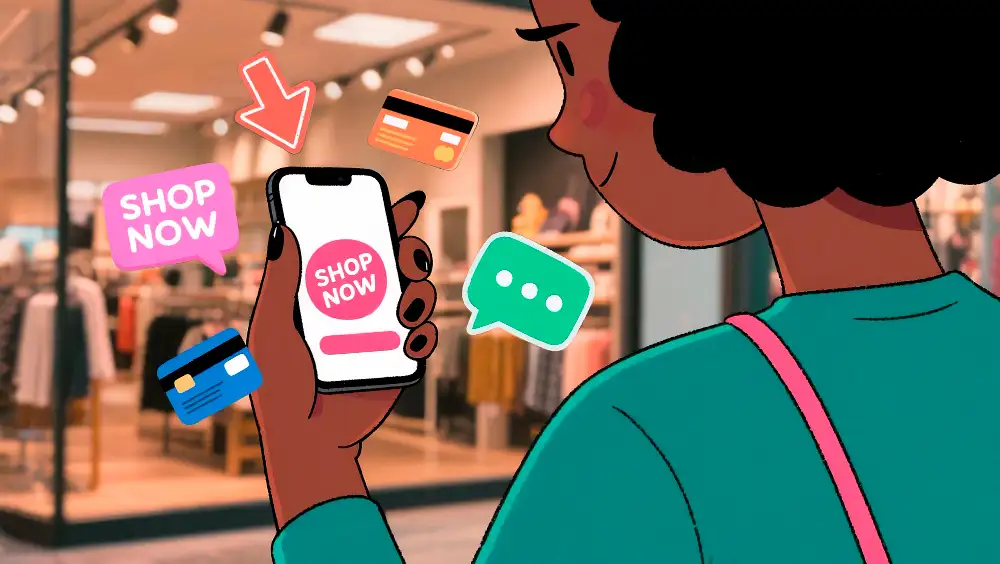
Fake apps are one of the fastest-growing forms of technology scams. Criminals create applications that closely resemble genuine banking apps, shopping platforms, gaming apps, or security tools. They often copy logos, colours, and designs to appear legitimate.
Once installed, these apps may collect passwords, record sensitive information, display fake login screens, or secretly track user activity.
Some fake apps are promoted through misleading advertisements or links shared through messages. A user may believe they are downloading a useful tool, but instead they are installing software designed to steal information.
A lesser-known tactic is the use of fake updates. Instead of creating a completely new app, scammers sometimes imitate update notifications to trick users into installing harmful software.
A common technology scam involves creating a fake banking or payment application that asks users to enter their account details, passwords, or verification codes. Once this information is collected, criminals can attempt unauthorised transactions.
Digital payment systems have made financial activities faster and easier, but they have also increased the importance of cybersecurity awareness.
Another challenge is human behaviour. People often download apps quickly without checking the developer name, reviews, permissions, or installation numbers.
For example, a simple flashlight or photo editing app requesting access to contacts, messages, or banking information should immediately raise concerns.
Another growing problem is “copycat apps”, where criminals create almost identical versions of popular applications. These copies can confuse users who are searching for the genuine service.
Regularly updating smartphones and removing unused applications can also improve security. Most importantly, users should be cautious when an app requests unnecessary access to personal information.
How Fake Apps Became a New Tool for Technology Scams
The rise of mobile technology has created new opportunities for criminals. In the past, online scams mainly targeted email accounts and websites. Today, smartphones have become a primary target because they contain financial details, personal messages, photos, and access to online accounts.Fake apps are one of the fastest-growing forms of technology scams. Criminals create applications that closely resemble genuine banking apps, shopping platforms, gaming apps, or security tools. They often copy logos, colours, and designs to appear legitimate.
Once installed, these apps may collect passwords, record sensitive information, display fake login screens, or secretly track user activity.
How Scammers Make Fake Applications Look Real
One reason fake app scams are successful is because criminals invest time in making them appear authentic. They often use names similar to popular applications, add fake user reviews, and create professional-looking descriptions.Some fake apps are promoted through misleading advertisements or links shared through messages. A user may believe they are downloading a useful tool, but instead they are installing software designed to steal information.
A lesser-known tactic is the use of fake updates. Instead of creating a completely new app, scammers sometimes imitate update notifications to trick users into installing harmful software.
The Growing Threat of Fake Banking and Payment Apps
Financial applications are among the most attractive targets for scammers because they provide direct access to money.A common technology scam involves creating a fake banking or payment application that asks users to enter their account details, passwords, or verification codes. Once this information is collected, criminals can attempt unauthorised transactions.
You may also like
- Ring doorbell rival offers smart home security for much less
- India's data centre pipeline reaches 8.33 GW driven by AI adoption, data localisation
- One of Canada's biggest bank, Toronto-Dominion Bank, tells some employees what led to almost 'staff revolt' in Meta
- In 1926, a secretary noticed short lines between columns and highlighted the growing need for fax technology
- PhonePe's wallet inactivity notifications: What users need to know
Digital payment systems have made financial activities faster and easier, but they have also increased the importance of cybersecurity awareness.
Why Smartphone Users Are Vulnerable
Many people assume that downloading an app from a familiar-looking platform guarantees safety. However, criminals constantly find ways to bypass security checks or distribute fake applications through unofficial websites.Another challenge is human behaviour. People often download apps quickly without checking the developer name, reviews, permissions, or installation numbers.
For example, a simple flashlight or photo editing app requesting access to contacts, messages, or banking information should immediately raise concerns.
Lesser-Known Facts About Fake App Scams
A surprising fact is that some fake applications remain active for weeks or months before being discovered. During this time, they may collect information from thousands of users.Another growing problem is “copycat apps”, where criminals create almost identical versions of popular applications. These copies can confuse users who are searching for the genuine service.
How to Avoid Fake App Scams
Users can reduce their risk by downloading applications only from official app stores, checking developer information, reading genuine reviews, and reviewing app permissions before installation.Regularly updating smartphones and removing unused applications can also improve security. Most importantly, users should be cautious when an app requests unnecessary access to personal information.






More from our partners


Loving Newspoint? Download the app now
