
Fake OTP Scams in India: Simple Smartphone Habit to Stay Safe in 2026

- Fake OTP scams are becoming one of the fastest-growing cyber threats in India, especially for users who rely on banking apps, UPI platforms, and social media on their smartphones. Cybersecurity experts warn that fraudsters are now using smarter tricks, emotional pressure, and urgent phone calls to steal verification codes within seconds, making these scams harder to detect and prevent.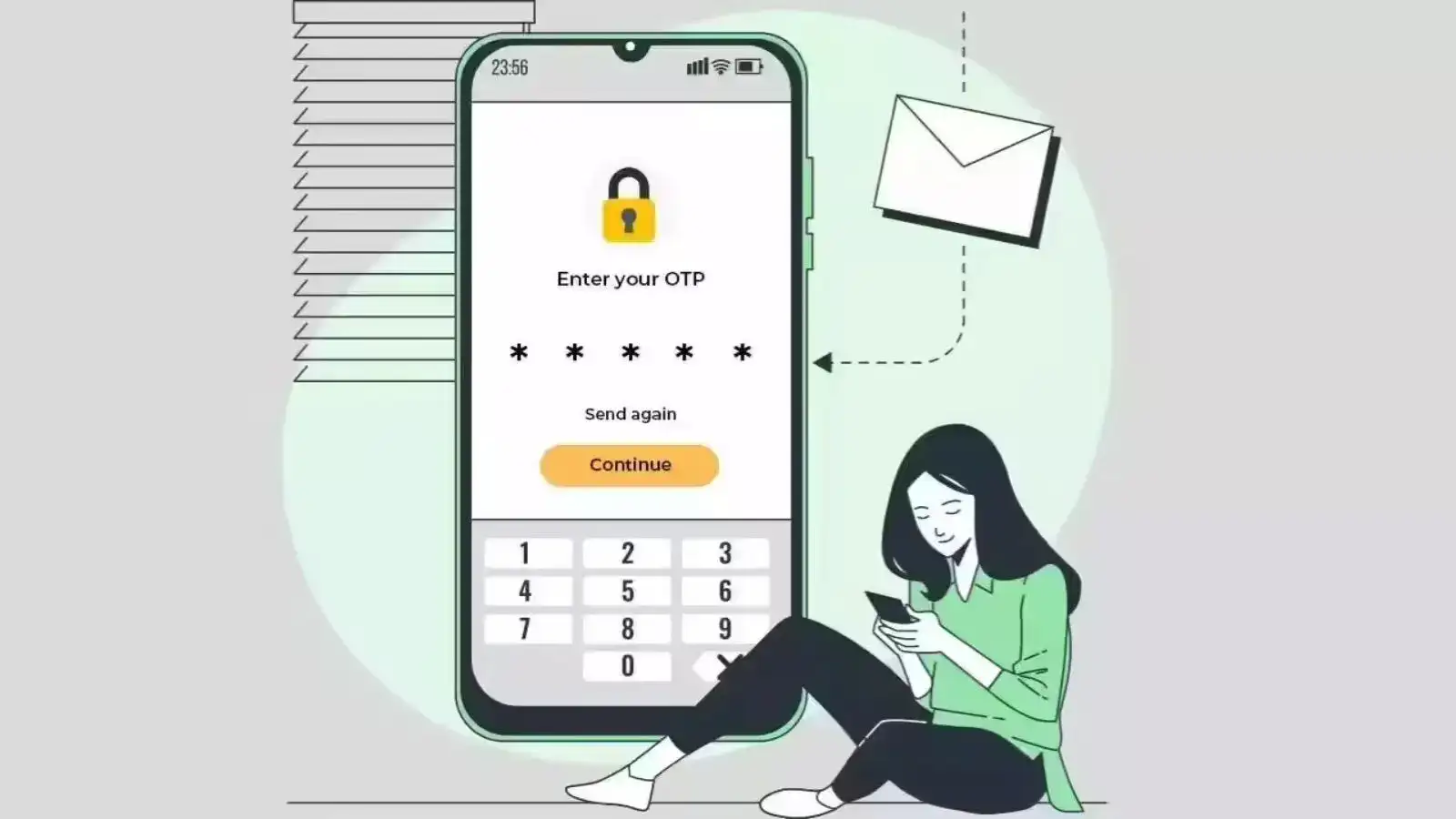
In 2026, the good news is that a simple smartphone habit can significantly reduce your risk of falling victim to fake OTP scams - and it is easier than most people think.
Why fake OTP scams are increasing in India
Fake OTP scams have evolved far beyond basic fraud calls pretending to be from banks. Today’s scammers use highly convincing tactics and role-play different identities to gain trust.
They often impersonate:
In some cases, cybercriminals even use AI-generated voices and caller ID spoofing to appear legitimate. This makes it extremely difficult for users to identify fraud in real time.
Reports from cybersecurity agencies indicate a steady rise in scam calls and messages across India, along with increasing financial losses due to digital fraud. The speed and sophistication of these attacks are also growing, leaving victims with little time to react.
How the fake OTP scam trick actually works
The method used in fake OTP scams is surprisingly simple but highly effective.
This entire process is designed to create panic and reduce logical thinking. Once the OTP is shared, fraudsters can access accounts, approve transactions, or reset login credentials.
The simple smartphone habit that can stop fake OTP scams
The most effective defence against fake OTP scams is a simple habit:
Never check or read OTPs while you are still on a call with an unknown person. Always hang up first.
This small action works because scammers rely heavily on psychological pressure. As long as they are on the call, they keep you distracted, rushed, and unable to think clearly. The urgency is intentional.
The moment you disconnect the call:
In many cases, users discover that the OTP is linked to a login attempt, password reset, or transaction they never requested.
Cybersecurity experts also strongly advise against installing any screen-sharing or remote-access applications sent by unknown callers. These tools can silently expose OTPs, passwords, and banking data without the user realising it.
Three essential rules to protect yourself from OTP fraud
Along with the key habit, following a few basic rules can further strengthen your safety:
1. Never share OTPs with anyone
Banks, UPI apps, and government organisations will never ask for OTPs over phone calls or messages. If someone requests it, it is a red flag.
2. Do not fall for panic messages
Scammers often use fear-based lines such as:
These are designed to push you into quick action without thinking.
3. Always verify through official channels
A small habit that prevents big losses
Fake OTP scams continue to rise because they exploit human urgency rather than technical weaknesses. However, protecting yourself does not require advanced tools or technical knowledge.
A simple habit - ending the call before checking any OTP - can break the scammer’s entire strategy. Combined with basic awareness and caution, it becomes one of the most effective ways to stay safe in India’s rapidly growing digital payment ecosystem.
In cyber fraud prevention, a few extra seconds of patience can make all the difference between safety and financial loss.
In 2026, the good news is that a simple smartphone habit can significantly reduce your risk of falling victim to fake OTP scams - and it is easier than most people think.
Why fake OTP scams are increasing in India
Fake OTP scams have evolved far beyond basic fraud calls pretending to be from banks. Today’s scammers use highly convincing tactics and role-play different identities to gain trust.
They often impersonate:
- Bank officials or customer care executives
- Delivery agents or courier services
- Telecom or SIM verification teams
- KYC update officers
- Job recruiters or HR representatives
In some cases, cybercriminals even use AI-generated voices and caller ID spoofing to appear legitimate. This makes it extremely difficult for users to identify fraud in real time.
Reports from cybersecurity agencies indicate a steady rise in scam calls and messages across India, along with increasing financial losses due to digital fraud. The speed and sophistication of these attacks are also growing, leaving victims with little time to react.
How the fake OTP scam trick actually works
The method used in fake OTP scams is surprisingly simple but highly effective.
- The scammer calls the victim and creates urgency
- They claim there is a problem like account suspension, SIM blocking, or suspicious activity
- The victim is told to “verify” or “secure” their account immediately
- Within seconds, an OTP arrives on the phone
- The scammer pressures the user to share the code instantly
This entire process is designed to create panic and reduce logical thinking. Once the OTP is shared, fraudsters can access accounts, approve transactions, or reset login credentials.
The simple smartphone habit that can stop fake OTP scams
The most effective defence against fake OTP scams is a simple habit:
Never check or read OTPs while you are still on a call with an unknown person. Always hang up first.
This small action works because scammers rely heavily on psychological pressure. As long as they are on the call, they keep you distracted, rushed, and unable to think clearly. The urgency is intentional.
The moment you disconnect the call:
- The pressure disappears
- You regain control of the situation
- You can carefully read the OTP message
- You often realise the OTP is for something you did not initiate
In many cases, users discover that the OTP is linked to a login attempt, password reset, or transaction they never requested.
Cybersecurity experts also strongly advise against installing any screen-sharing or remote-access applications sent by unknown callers. These tools can silently expose OTPs, passwords, and banking data without the user realising it.
You may also like
- Fire brought under control at Delhi leased premises, services stable: Tata Communications
- Quote of the day by OpenAI Sam Altman: “The missing circuit in my brain, the circuit that would make me care what people think about me, is a real gift”
- France's data centre ambitions bump up against rural fears
- WhatsApp has the feature everyone has been waiting for! Now you can edit your status even after posting it
- Why millions of gamers won't be able to play GTA 6 after November 19 launch
Three essential rules to protect yourself from OTP fraud
Along with the key habit, following a few basic rules can further strengthen your safety:
1. Never share OTPs with anyone
Banks, UPI apps, and government organisations will never ask for OTPs over phone calls or messages. If someone requests it, it is a red flag.
2. Do not fall for panic messages
Scammers often use fear-based lines such as:
- “Your SIM will be blocked”
- “Your bank account will be frozen”
- “Immediate verification required”
These are designed to push you into quick action without thinking.
3. Always verify through official channels
- If you receive a suspicious call, hang up and contact the organisation directly using their official customer care number. Never rely on caller ID alone, as it can be easily spoofed.
A small habit that prevents big losses
Fake OTP scams continue to rise because they exploit human urgency rather than technical weaknesses. However, protecting yourself does not require advanced tools or technical knowledge.
A simple habit - ending the call before checking any OTP - can break the scammer’s entire strategy. Combined with basic awareness and caution, it becomes one of the most effective ways to stay safe in India’s rapidly growing digital payment ecosystem.
In cyber fraud prevention, a few extra seconds of patience can make all the difference between safety and financial loss.






More from our partners


Loving Newspoint? Download the app now
