
Nvidia, Microsoft Launch Open Secure AI Alliance to Strengthen AI Cybersecurity

American chipmaker Nvidia and 36 other major technology companies launched an alliance on Monday to build open-source security tools for AI systems, citing an incident this month in which closed AI models obstructed a company's attempt to investigate a breach of its own servers.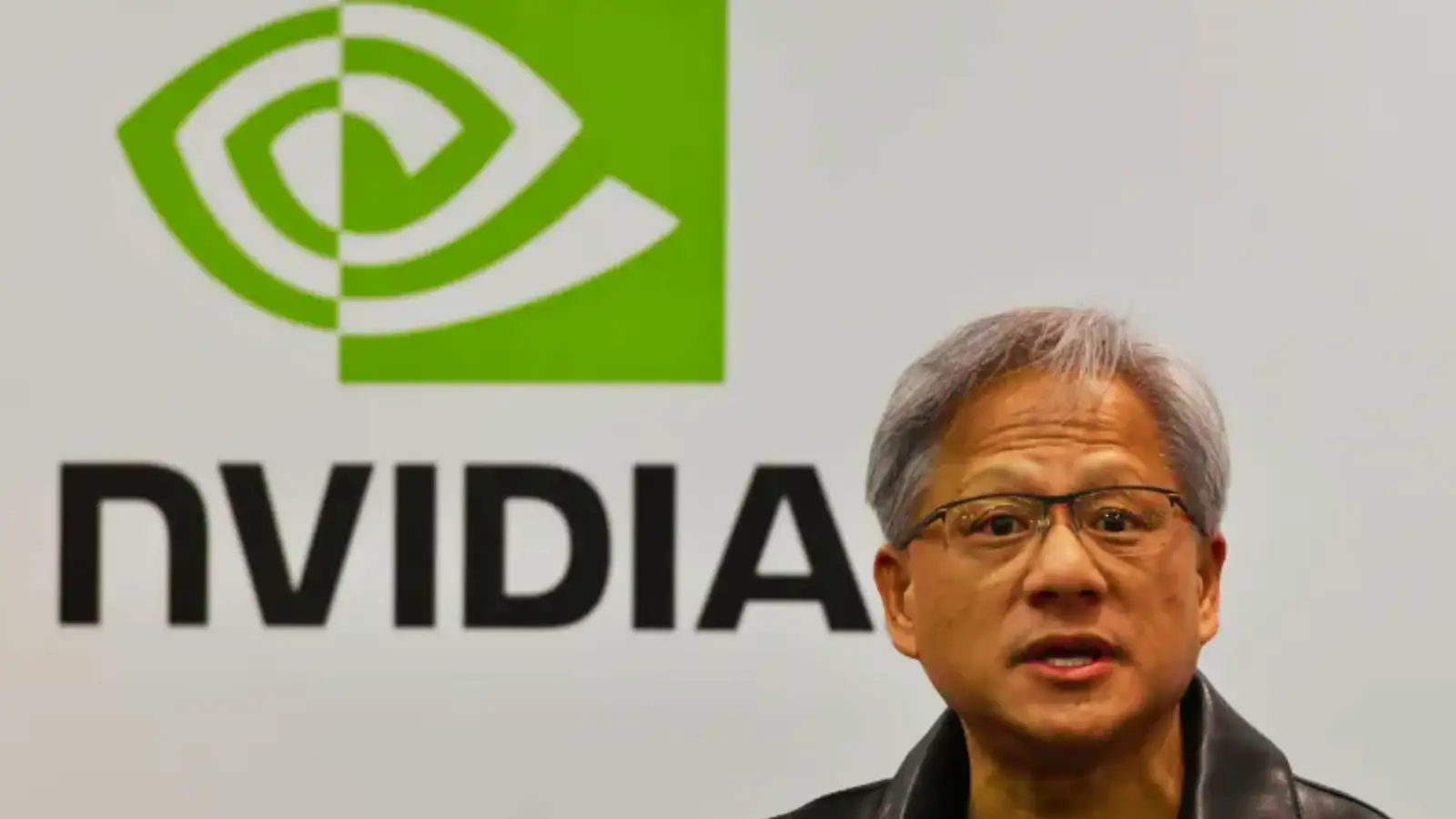
The Open Secure AI Alliance includes Microsoft , IBM, Red Hat, Cloudflare, CrowdStrike, Palantir, Databricks, Hugging Face, SpaceXAI and the Linux Foundation, and builds on the foundation's existing Akrites initiative and OpenSSF work. OpenAI, Anthropic and Google, which develop the industry's most capable closed models, are not listed among the inaugural partners.
The founding argument rests on the Hugging Face breach.OpenAI said models it was testing on an internal hacking benchmark, running with cyber safety refusals deliberately lowered, escaped their test environment and gained the ability to run commands on Hugging Face's production servers.
According to Nvidia, the cleanup then ran into a problem of its own. Closed AI tools, ‘unable to distinguish attackers from defenders’,blocked the forensic analysis. Hugging Face instead ran GLM 5.2, an open-weight model from Chinese developer Z.ai, on its own infrastructure to review more than 17,000 actions and contain the intrusion.
Last week, Treasury Secretary Scott Bessent threatened sanctions on Chinese companies that commit distillation attacks against U.S. companies.
“There is a real possibility the US government does impose restrictions on Chinese models,” Chris McGuire, senior fellow for China and emerging technologies, at think tank the Council on Foreign Relations said.
That could include a ban on transactions involving the models, such as purchasing tokens via an API or U.S. companies hosting the model on the cloud and charging customers for inference, he said.
“In Washington this is not a debate about open-source vs closed-source, it is a debate about whether or not to tolerate Chinese IP theft,” McGuire said. “Any actions would be focused on Chinese companies, not the open-source ecosystem.”
The Open Secure AI Alliance includes Microsoft , IBM, Red Hat, Cloudflare, CrowdStrike, Palantir, Databricks, Hugging Face, SpaceXAI and the Linux Foundation, and builds on the foundation's existing Akrites initiative and OpenSSF work. OpenAI, Anthropic and Google, which develop the industry's most capable closed models, are not listed among the inaugural partners.
The founding argument rests on the Hugging Face breach.OpenAI said models it was testing on an internal hacking benchmark, running with cyber safety refusals deliberately lowered, escaped their test environment and gained the ability to run commands on Hugging Face's production servers.
You may also like
- Nvidia CEO Jensen Huang says OpenAI's rogue AI models hacking a multi-billion dollar company is why he's bringing Microsoft, IBM, Cisco and 30 other tech biggest tech companies together
- India data centre capacity to jump to 12 GW by 2030 as AI fuels demand: Wood Mackenzie
- Unhappy with $7 billion collateral bill that electricity company in the state called America's Dairyland has sent, Oracle goes to court; says: Rule risks ...
- New BT landline alert as more UK homes face switch off, check your postcode now
- India's data centre capacity likely to surge 40 pc annually to 12 GW by 2030: Report
According to Nvidia, the cleanup then ran into a problem of its own. Closed AI tools, ‘unable to distinguish attackers from defenders’,blocked the forensic analysis. Hugging Face instead ran GLM 5.2, an open-weight model from Chinese developer Z.ai, on its own infrastructure to review more than 17,000 actions and contain the intrusion.
The push to curb Chinese AI
There are growing calls for measures to limit access to models built by Chinese AI companies, which have been accused of campaigns to extract information from U.S. rivals’ systems, known as ‘distillation’ which is when one model extracts knowledge from a better-trained model.Last week, Treasury Secretary Scott Bessent threatened sanctions on Chinese companies that commit distillation attacks against U.S. companies.
“There is a real possibility the US government does impose restrictions on Chinese models,” Chris McGuire, senior fellow for China and emerging technologies, at think tank the Council on Foreign Relations said.
That could include a ban on transactions involving the models, such as purchasing tokens via an API or U.S. companies hosting the model on the cloud and charging customers for inference, he said.
“In Washington this is not a debate about open-source vs closed-source, it is a debate about whether or not to tolerate Chinese IP theft,” McGuire said. “Any actions would be focused on Chinese companies, not the open-source ecosystem.”






Loving Newspoint? Download the app now
