
How Wearable Health Technology Is Making Preventive Healthcare More Personal

Healthcare is entering a new era where technology is moving beyond hospitals and becoming part of everyday life. Wearable health technology , once limited to counting steps and tracking workouts, has evolved into a powerful tool for monitoring vital health information in real time. Smartwatches , fitness trackers , and advanced medical wearables are helping people understand their bodies, identify potential health risks, and make better lifestyle decisions. As preventive healthcare becomes more important, these devices are creating a closer connection between individuals and their wellbeing. From detecting irregular heart patterns to improving fitness habits, wearable health technology is changing the way people approach health management.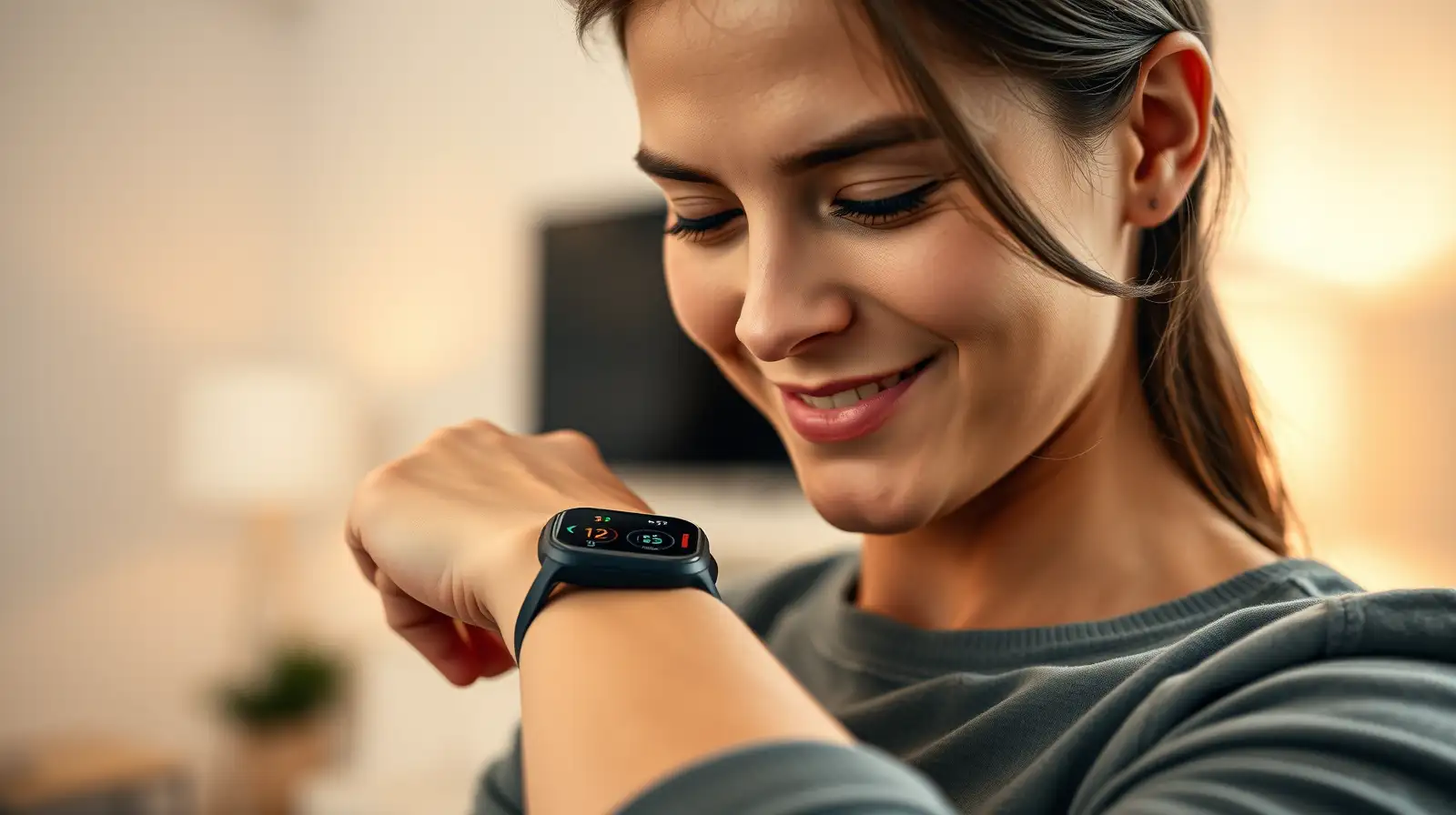
Early fitness trackers mainly focused on motivation by encouraging users to move more. Today, modern wearables can monitor heart rate, sleep quality, blood oxygen levels, stress indicators, and even signs of potential medical issues.
This transformation reflects a larger shift in healthcare. Instead of relying only on occasional medical appointments, people can now collect continuous information about their health and share important data with healthcare professionals.
For example, some smartwatches can detect unusual heart rhythms and encourage users to seek medical advice. Sleep tracking features can help people understand patterns that may affect energy levels, concentration, and overall wellbeing.
Wearable devices are also becoming useful for managing existing health conditions. Patients with certain medical needs can use connected devices to monitor important health information and support more informed conversations with doctors.
A device may identify changes in sleep habits, activity levels, or heart patterns that a person might not notice themselves. Over time, these insights can help users make small adjustments that support better health.
A lesser-known fact is that wearable health data is also contributing to medical research. Large amounts of anonymous health information can help scientists understand population health trends and develop improved healthcare solutions.
There is also a need to ensure that wearable devices support healthcare decisions rather than create unnecessary anxiety. Not every change in a health measurement indicates a serious problem, and professional guidance remains important.
Looking ahead, wearable technology is expected to become even more integrated with healthcare systems. Future devices may offer more advanced monitoring, personalised recommendations, and closer connections between patients and medical professionals.
These devices encourage healthier habits by making invisible aspects of health more visible. A person who understands their sleep patterns, activity levels, or stress responses may be more motivated to make positive changes.
The true value of wearable technology is not only in collecting data but in helping people turn information into meaningful action.
The Evolution of Wearable Health Technology
The journey of wearable health technology began with simple fitness devices designed to measure basic activities such as walking and calorie consumption. Over time, these devices have become much more sophisticated, combining sensors, artificial intelligence, and health analytics.Early fitness trackers mainly focused on motivation by encouraging users to move more. Today, modern wearables can monitor heart rate, sleep quality, blood oxygen levels, stress indicators, and even signs of potential medical issues.
This transformation reflects a larger shift in healthcare. Instead of relying only on occasional medical appointments, people can now collect continuous information about their health and share important data with healthcare professionals.
How Smart Devices Support Preventive Healthcare
One of the biggest advantages of wearable health technology is its role in early detection. Many health conditions develop gradually, and identifying warning signs early can make a significant difference.For example, some smartwatches can detect unusual heart rhythms and encourage users to seek medical advice. Sleep tracking features can help people understand patterns that may affect energy levels, concentration, and overall wellbeing.
Wearable devices are also becoming useful for managing existing health conditions. Patients with certain medical needs can use connected devices to monitor important health information and support more informed conversations with doctors.
The Role of Artificial Intelligence and Data
Artificial intelligence is making wearable health technology increasingly intelligent. Instead of simply collecting information, advanced systems can analyse patterns and provide personalised insights.A device may identify changes in sleep habits, activity levels, or heart patterns that a person might not notice themselves. Over time, these insights can help users make small adjustments that support better health.
You may also like
- Amazon Prime Sale India dates announced: Deals, bank offers, new launches and more
- Meta responds to report claiming its contractors posed as teens to ask ChatGPT, Google Gemini and other chatbots about suicide and drugs; says: Testing ...
- Samsung Galaxy A27 first impressions
- Teacher, counsellor, translator and college planner: San Diego school unveils $500,000 ChatGPT-powered humanoid robots
- BMW deploys Figure 03 humanoid robot at US factory to transform automotive manufacturing
A lesser-known fact is that wearable health data is also contributing to medical research. Large amounts of anonymous health information can help scientists understand population health trends and develop improved healthcare solutions.
Challenges and the Future of Digital Health
Despite its benefits, wearable health technology also faces challenges. Data privacy, accuracy, and over-reliance on devices remain important concerns. Health information is highly personal, making secure data management essential.There is also a need to ensure that wearable devices support healthcare decisions rather than create unnecessary anxiety. Not every change in a health measurement indicates a serious problem, and professional guidance remains important.
Looking ahead, wearable technology is expected to become even more integrated with healthcare systems. Future devices may offer more advanced monitoring, personalised recommendations, and closer connections between patients and medical professionals.
Why Wearable Health Technology Matters Today
As people become more interested in longevity and proactive health management, wearable health technology provides a practical way to stay informed about personal wellbeing.These devices encourage healthier habits by making invisible aspects of health more visible. A person who understands their sleep patterns, activity levels, or stress responses may be more motivated to make positive changes.
The true value of wearable technology is not only in collecting data but in helping people turn information into meaningful action.






More from our partners


Loving Newspoint? Download the app now
